Una Roma insolitamente torinese per 'La grazia' di Paolo Sorrentino
ARTE E LOCATION: IL CINEMA NEI DETTAGLI
Il nuovo film di Paolo Sorrentino è narrativamente ambientato a Roma, per buona parte al Quirinale, avendo come protagonista assoluto Toni Servillo nei panni di Mariano De Santis, presidente della Repubblica alla fine del suo mandato. Eppure del palazzo che fu residenza pontificia, reale e quindi presidenziale, fatta eccezione per la sua facciata e per la famosissima piazza, non vediamo nulla.
Le tante sequenze, infatti, sono girate in diverse altre location, tutte perfettamente credibili, a partire dalla torretta e dal camminamento balaustrato alla sommità dell’edificio su cui Servillo/De Santis fuma, passeggia e riflette. Un’immagine che si ripete nel corso della pellicola, che altro non è che il coronamento della facciata di Villa Medici, con le torrette caratterizzate da nicchie laterali e bassi tetti a tegole.
Il grande cortile del palazzo, invece, dove vediamo una delle sequenze più sorrentiniane del film, in cui l’arrivo dell’ambasciatore del Portogallo in visita dal presidente viene funestato da un’improvvisa tempesta ed è rigorosamente ripresa al ralenti, è quello del Palazzo Reale di Torino (si ringrazia per la segnalazione la dottoressa Ludovica Annesi).
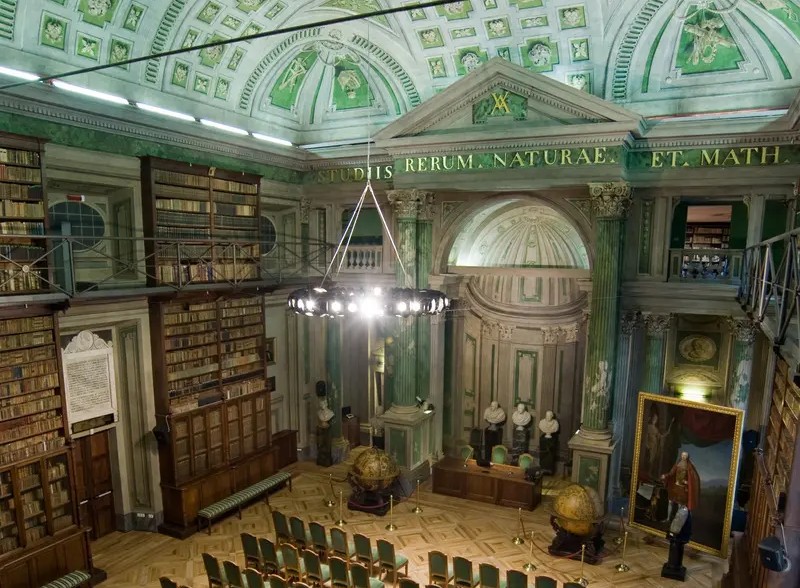
Anche gli interni del Quirinale sono girati nel capoluogo piemontese, ma di volta in volta riguardano palazzi differenti. Uno degli ambienti è la Sala dei Mappamondi dell'Accademia delle Scienze, riconoscibile, in una delle tante prospettive centrali filmate da Sorrentino, per i due grandi globi realizzati dal cartografo veneziano Vincenzo Maria Coronelli (1650-1718), inseriti nella sala che nel 1787 venne decorata da Giovannino Galliari con le immagini di strumenti scientifici sulla volta.
Seduto al tavolo della Sala degli Arazzi di palazzo Chiablese, il presidente parla col ministro della Giustizia, Ugo Romani (Massimo Venturiello), che è su una sedia dalla parte opposta del lungo tavolo, con alle spalle uno degli enormi arazzi con le Storie della regina Artemisia (1620 ca.) e una delle tele di Francesco De Mura con le Allegorie dei quattro continenti (1763). L’ambiente, in origine, fu davvero la sala d’udienza della duchessa del Chiablese Maria Anna di Savoia (1757-1824), anche se poi, nell’Ottocento, fu prima abitata da Paolina Bonaparte e quindi divenne una sala da ballo.
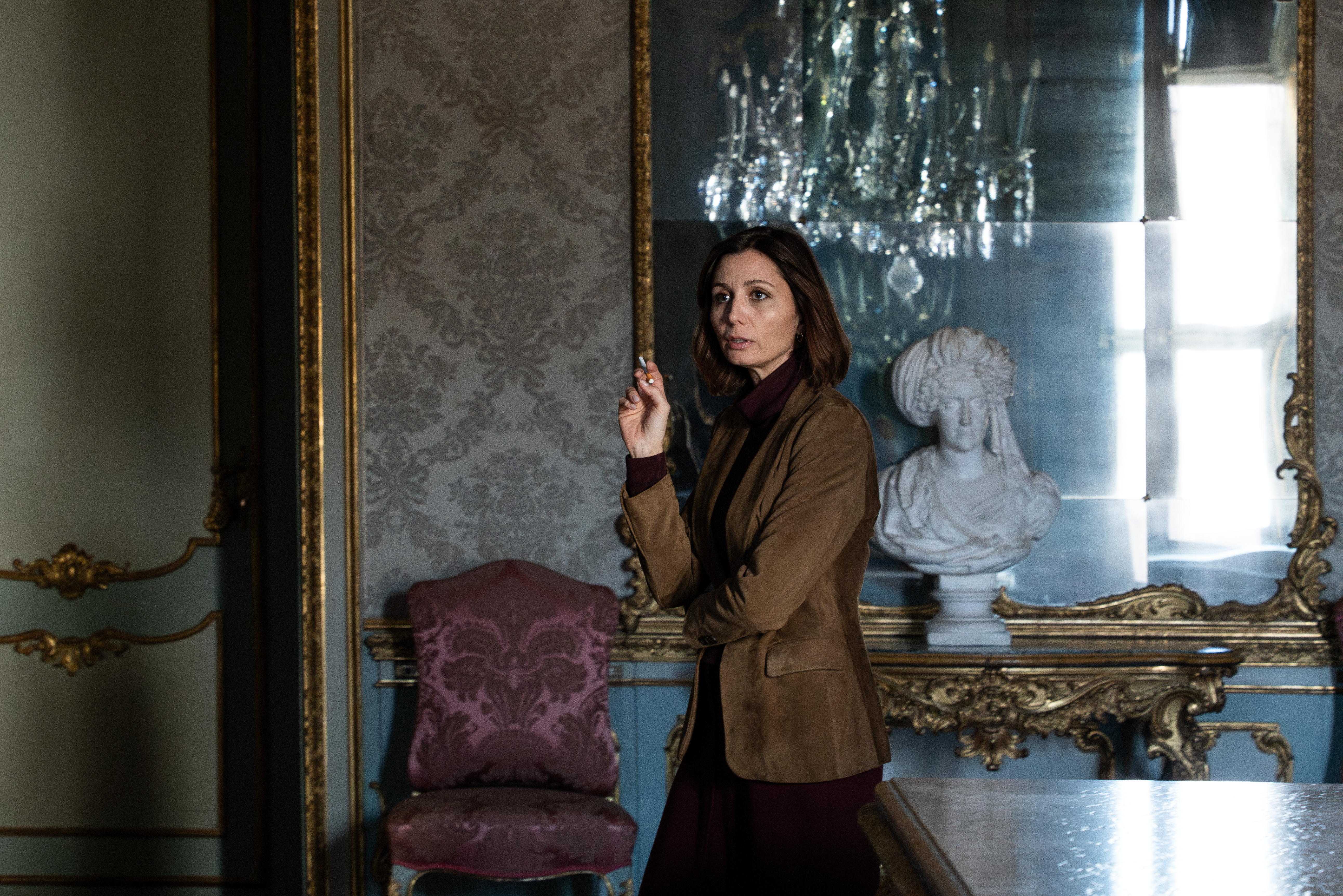
In un’altra sala dello stesso palazzo, la Camera d’udienza del duca (poi Salone rosso), la figlia del presidente, Dorotea (Anna Ferzetti), passa davanti a un grande specchio e a una consolle, su cui si vede la copia in gesso del busto marmoreo della regina di Sardegna Maria Cristina di Borbone, scolpito da Andrea Galassi nel 1826 ca. (Genova, Palazzo Reale).
È ancora a palazzo Chiablese la sala in cui il presidente si collega con l’astronauta Giordano e la sua mano va a toccare lo schermo, con un’evidente e voluta citazione del braccio di Cristo nella Vocazione di san Matteo di Caravaggio a San Luigi dei Francesi (e a sua volta della mano di Dio nella Creazione di Adamo di Michelangelo della Cappella Sistina): si tratta della Camera dei “valets a pied”, quella degli staffieri, seconda anticamera dell’appartamento nobile, con arredi e fasce traforate alle pareti che risalgono agli anni del regno di Carlo Felice (1821-1831).
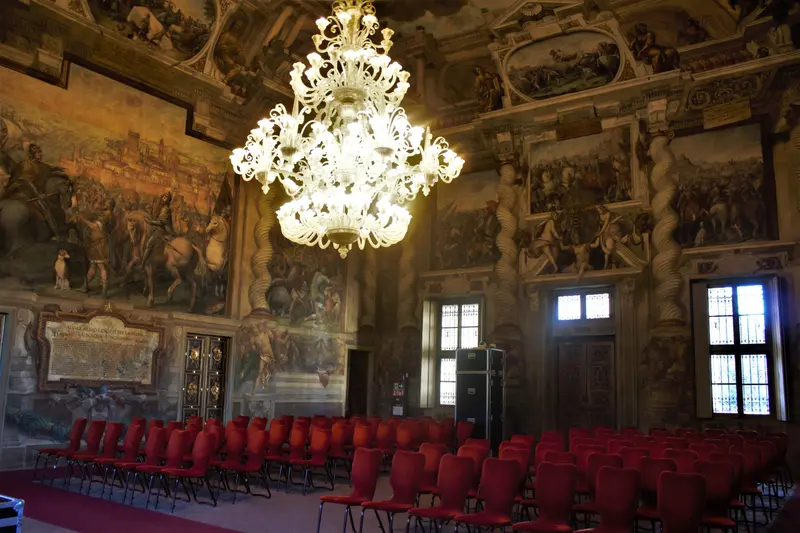
Qui e là compaiono anche il Castello di Moncalieri, nel cui cortile parlano il generale Mare (Giuseppe Gaiani) vestito da alpino e il presidente, che poi ci torna da solo di notte, ma soprattutto il Castello del Valentino, nel cui salone d’onore Mariano De Santis ascolta la musica, osservato dalla figlia. Qui, sulla parete dietro Servillo, si riconosce uno dei grandi affreschi seicenteschi fiancheggiati da colonne tortili realizzati da artisti luganesi, una decorazione monumentale che vede architetture dipinte in prospettiva inquadrare un ciclo di episodi storici. Il programma iconografico, pensato dal retore di corte Emanuele Tesauro e dal letterato Filippo d'Aglié, è costituito da scene che celebrano avvenimenti filofrancesi dei duchi di Savoia, in omaggio a Madama Cristina di Francia (1606-1663), moglie di Vittorio Amedeo I di Savoia.
Di fronte a tanta Torino che "interpreta" Roma non mancano, però, altrettante location della capitale che approfondiremo nel secondo capitolo della rubrica "arte e location" dedicata al film.
La seconda parte di 'Arte e Location' su La grazia:
I luoghi reali di Roma ne 'La grazia' di Paolo Sorrentino