Do you know exactly what you think? What you want? Can you divide everything with certainty, right and wrong, yes and no, this and that? If you can, I envy you with all my might".
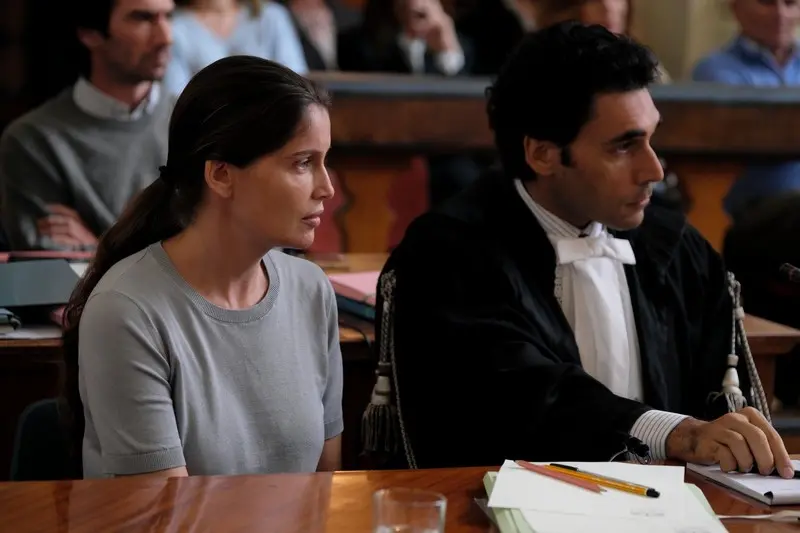
Carla (Laetitia Casta) during the trial
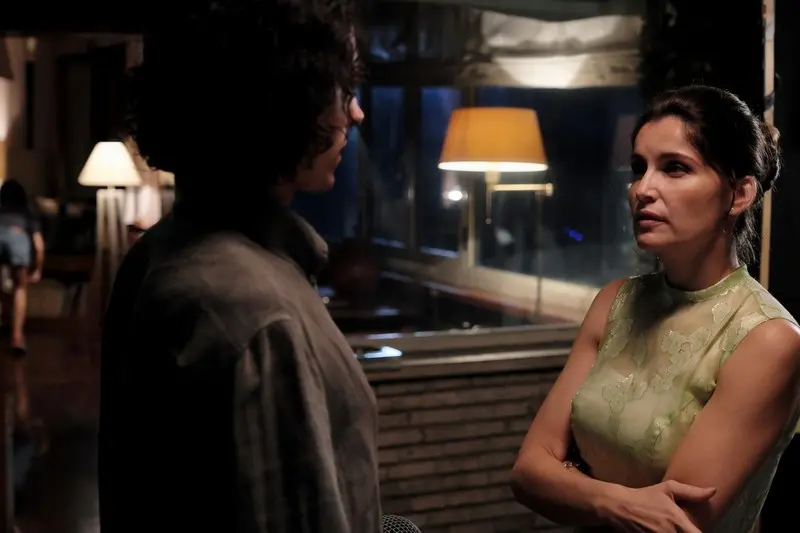
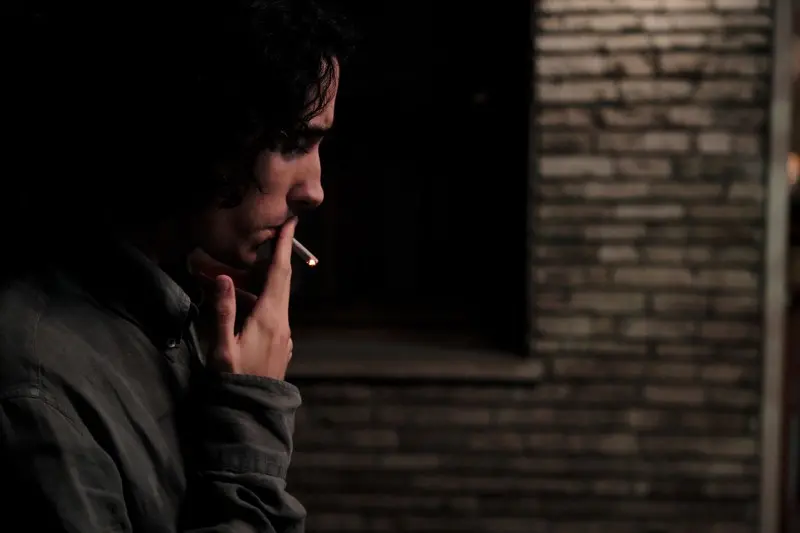
Una storia nera, thriller by Leonardo D'Agostini, tells the story of Carla (Laetitia Casta), a woman who decides to rebel. After twenty years of abuse from a possessive and violent husband, she finds a way to save her life in a context where the law does not help victims of violence: but, as Carla says, they are left by the State to die alone. The film is the story of a toxic relationship where there is no clear boundary between right and wrong, good and evil, and a family that crumbles and struggles to rebuild itself.
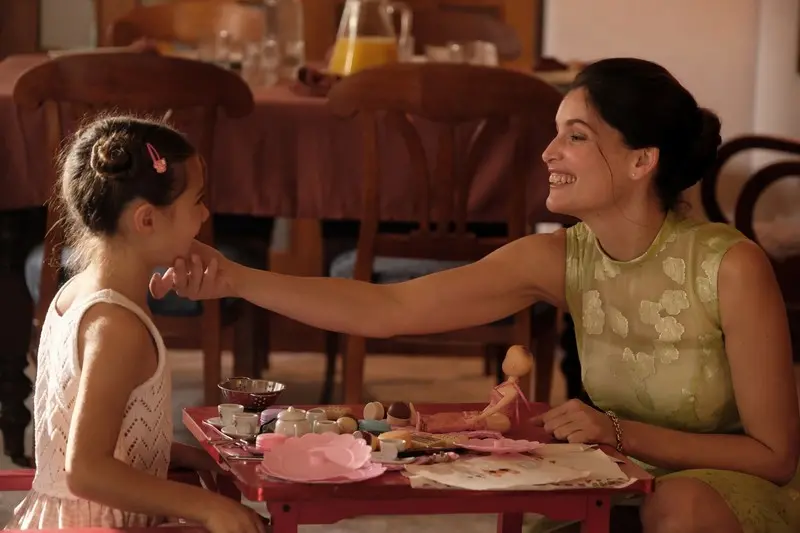
Vito and Carla separated a few years ago. They loved each other very much, before jealousy and violence destroyed their relationship. When Mara asks to have her father present on her birthday, Carla invites him to dinner. Despite her fears, the party proceeds surprisingly calmly: they laugh, joke, unwrap gifts together. But after that evening there is no further sign of Vito. He disappears into thin air without a trace. Police investigate his disappearance and the justice system is entrusted with the task of ascertaining what happened. Can there ever be a single, clear, irrefutable truth in these cases?
The film combines a narrative structure typical of ‘noir’, a trial, the story of a mother and her children who try to remain united despite everything and, finally, a great love story, that is deeply passionate, complex and self-destructive.
Una storia nera, based on the novel by Leonardo D'Agostini, was filmed in Rome, Gallicano nel Lazio, and the women's prison of Rebibbia for the prison scenes.
Do you know exactly what you think? What you want? Can you divide everything with certainty, right and wrong, yes and no, this and that? If you can, I envy you with all my might".
Carla (Laetitia Casta) during the trial
Una storia nera, thriller by Leonardo D'Agostini, tells the story of Carla (Laetitia Casta), a woman who decides to rebel. After twenty years of abuse from a possessive and violent husband, she finds a way to save her life in a context where the law does not help victims of violence: but, as Carla says, they are left by the State to die alone. The film is the story of a toxic relationship where there is no clear boundary between right and wrong, good and evil, and a family that crumbles and struggles to rebuild itself.
Vito and Carla separated a few years ago. They loved each other very much, before jealousy and violence destroyed their relationship. When Mara asks to have her father present on her birthday, Carla invites him to dinner. Despite her fears, the party proceeds surprisingly calmly: they laugh, joke, unwrap gifts together. But after that evening there is no further sign of Vito. He disappears into thin air without a trace. Police investigate his disappearance and the justice system is entrusted with the task of ascertaining what happened. Can there ever be a single, clear, irrefutable truth in these cases?
The film combines a narrative structure typical of ‘noir’, a trial, the story of a mother and her children who try to remain united despite everything and, finally, a great love story, that is deeply passionate, complex and self-destructive.
Una storia nera, based on the novel by Leonardo D'Agostini, was filmed in Rome, Gallicano nel Lazio, and the women's prison of Rebibbia for the prison scenes.
Copyright: 01 Distribution
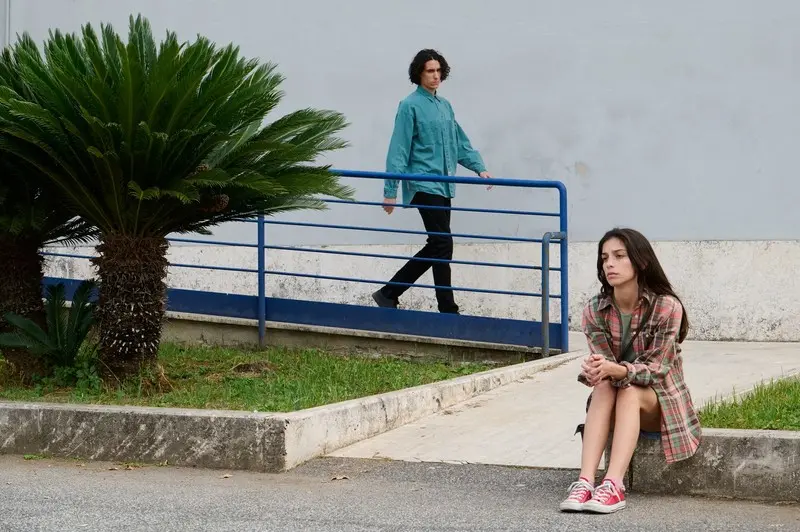
Lea Gavino, Andrea Carpenzano
Copyright: 01 Distribution
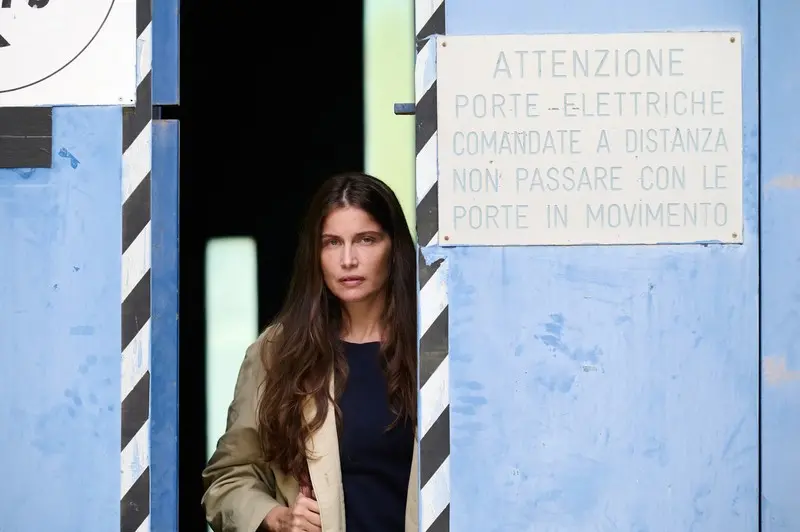
Laetitia Casta

Copyright: 01 Distribution
Andrea Carpenzano
Copyright: 01 Distribution
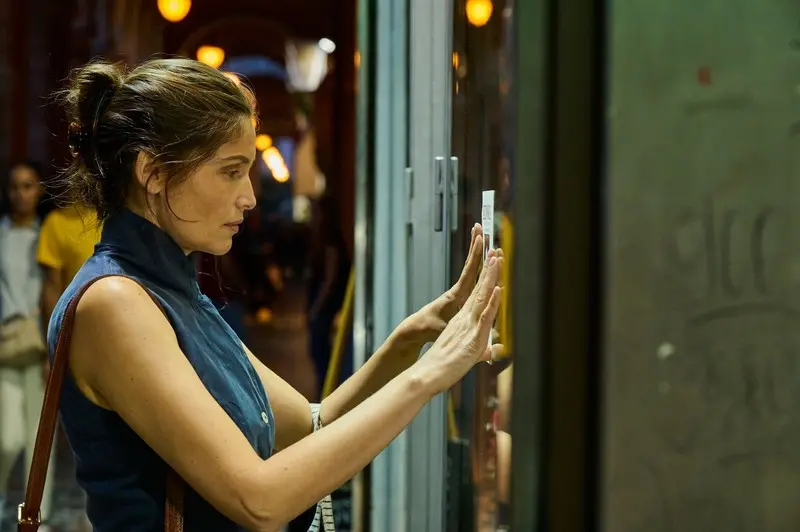
Laetitia Casta
Copyright: 01 Distribution
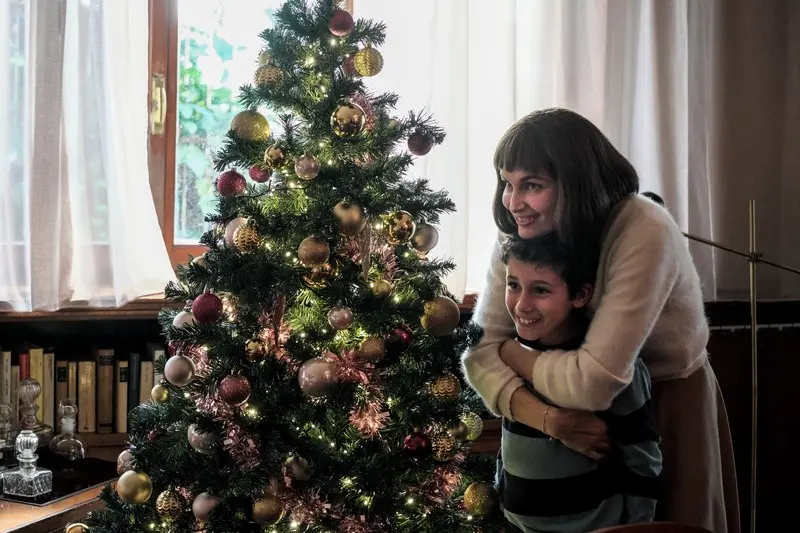
Laetitia Casta

Copyright: 01 Distribution
Laetitia Casta
Copyright: 01 Distribution
Laetitia Casta, Davide Mancini
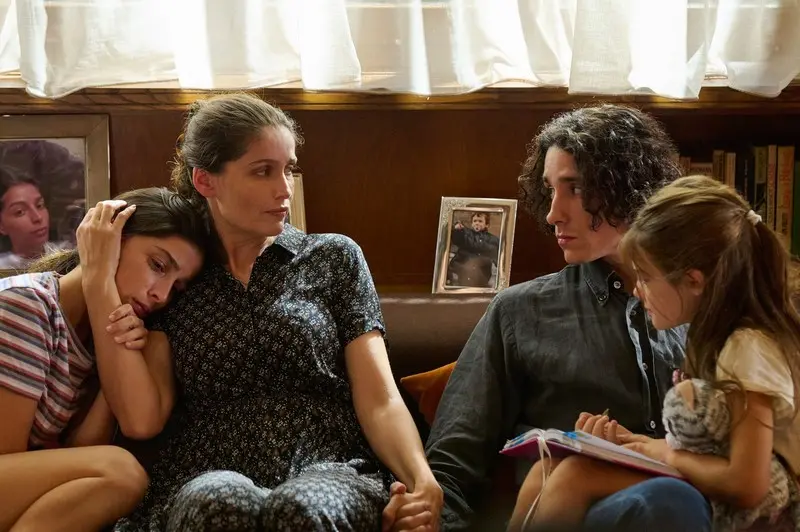
Copyright: 01 Distribution
Laetitia Casta, Andrea Carpenzano

Vito and Carla separated a few years ago. They loved each other very much, before jealousy and violence destroyed their relationship. Now Vito has a new life and Carla has a new partner. Their only bond is their three children, Nicola, Rosa and little Mara. But Carla still carries a feeling of having avoided an announced tragedy. When Mara asks to have her father present on her birthday, Carla invites him to dinner. Despite her fears, the party proceeds surprisingly calmly: they laugh, joke, unwrap gifts together. But after that evening there is no further sign of Vito. He disappears into thin air without a trace. Police investigate his disappearance and the justice system is entrusted with the task of ascertaining what happened. Can there ever be a single, clear, irrefutable truth in these cases?