'Napoli - New York': Salvatores e il sogno americano. Set a Napoli, Trieste e Cinecittà
Una fiaba che parla di emigrazione e solidarietà, che mette in scena il sogno americano dell'Italia Anni ’40, che mostra le macerie del dopoguerra cui due bambini cercano orgogliosamente di sopravvivere, come tanti altri disgraziati di qualsiasi età e tempo, vittime di ogni guerra e di ogni povertà. In uscita il prossimo 21 novembre con 01 Distribution il nuovo film di Gabriele Salvatores, Napoli – New York, oscilla tra sogno e realtà e racconta il viaggio epico attraverso l'Atlantico dei giovani Carmine e Celestina, interpretati da Dea Lanzaro e Antonio Guerra, affiancati dal commissario di bordo, Pierfrancesco Favino. Due scugnizzi napoletani che si imbarcano clandestinamente su una nave diretta a New York, con l'obiettivo di raggiungere la sorella di Celestina, emigrata anni prima. Tutti alla ricerca di una nuova vita e di un futuro migliore nella 'terra in cui si realizzano tutti i sogni'.
“A Napoli c’è un detto: ‘Adda' venì o' pianerottolo, dicette chille ca' ruciuliava pe' scale - è il commento di Gabriele Salvatores - . Viviamo un momento pervaso da diffidenza, rancore, a volte addirittura odio, e mi piaceva l'idea di realizzare proprio ora un film che parlasse di solidarietà, accoglienza e speranza. È un film-pianerottolo, che dà una piccola pausa e ci fa sperare di poter essere anche migliori di come siamo. Che ci ricorda che anche noi siamo stati migranti”.
Il film è tratto da un soggetto inedito di Federico Fellini e Tullio Pinelli, un manoscritto ritrovato nei magazzini Pinelli. “Mi commuove che una storia creata da due Maestri del nostro Cinema, che stava sparendo, sia stata ripresa e gli si stata data vita”, ha detto il regista Premio Oscar. Diverse le modifiche apportate rispetto al soggetto originale, soprattutto per quanto riguarda lo svolgimento della vicenda in America, un po' troppo legate, secondo Salvatores, a una sensibilità e a un tono narrativo che appartenevano agli anni in cui era stata scritta la storia, un'epoca in cui c’era esagerata fiducia nel sogno americano e nelle capacità del popolo americano di comprendere le difficoltà degli altri. “Noi abbiamo vissuto in anni successivi e abbiamo scoperto che il sogno americano può diventare anche un incubo - ha aggiunto - ma all'epoca era abbastanza normale che la pensassero diversamente".
Nel cast anche Anna Ammirati, Anna Lucia Pierro, Omar Benson Miller, Tomas Arana e Antonio Catania. La fotografia è stata assegnata a Diego Indraccolo, le scenografie sono curate da Rita Rabassini, i costumi sono di Patrizia Chiericoni, le musiche di Federico De Robertis. Supervisione agli effetti visivi eseguita da Victor Perez.
Il ritorno di Salvatores nella 'sua' Napoli

Dodici le settimane di riprese tra Trieste, gli studi di Cinecittà, Rijeka (Fiume) in Croazia - dove sono state girate la scena della festa a Little Italy e alcune sequenze sulla nave Galeb - e Napoli, città dove il regista è nato ma che era finora comparsa assai poco nei suoi film. A Napoli è ambientata tutta la prima parte del film, in cui la città descritta appare molto più realistica e verosimile rispetto alla rappresentazione che viene fatta poi di New York, protagonista del terzo atto della pellicola. Ricostruita quest'ultima sul set a Trieste, e restituita con toni mitici, onirici, sognanti. Perfetta rappresentazione estetica della luminosità sfavillante dell'American dream.
“Sono nato a Napoli, dietro Piazza del Plebiscito, in via Solitaria, non so se un caso, e quando sei nato in un posto così non te lo levi di dosso, è uno state of mind- ha sottolineato Salvatores - Ai miei genitori avrebbe fatto piacere vedere il film per questo mio ritorno alle origini, così come ha colpito le mie sorelle anche perché ci hanno ritrovato qualcosa della loro città. Avevo girato a Napoli solo qualche scena di 'Denti', realizzare questa volta tutto il primo atto del film interamente a Napoli è stato importante, bello poter girare finalmente lì. E poi devo aggiungere che non avrei potuto fare questo film con due bambini milanesi. Napoli ha dentro un qualcosa, una lotta per sopravvivere, la voglia di farcela comunque. Una 'cazzimma' che appartiene anche ai due giovani interpreti che hanno affrontato con stoicismo e grande resistenza ogni scena.
Una caparbietà tutta partenopea espressa anche in una sequenza del film, quella in cui il bambino scopre di non avere la linea della fortuna e immediatamente se la fa da solo tagliandosi con un coltello. Una scena ispirata a un fumetto di Corto Maltese che, ha aggiunto Salvatores, "rappresenta tutto quello che è Napoli, la sua resilienza e il suo orgoglio nell’affrontare le difficoltà”.
Il set a Trieste, fil rouge nella recente produzione di Salvatores
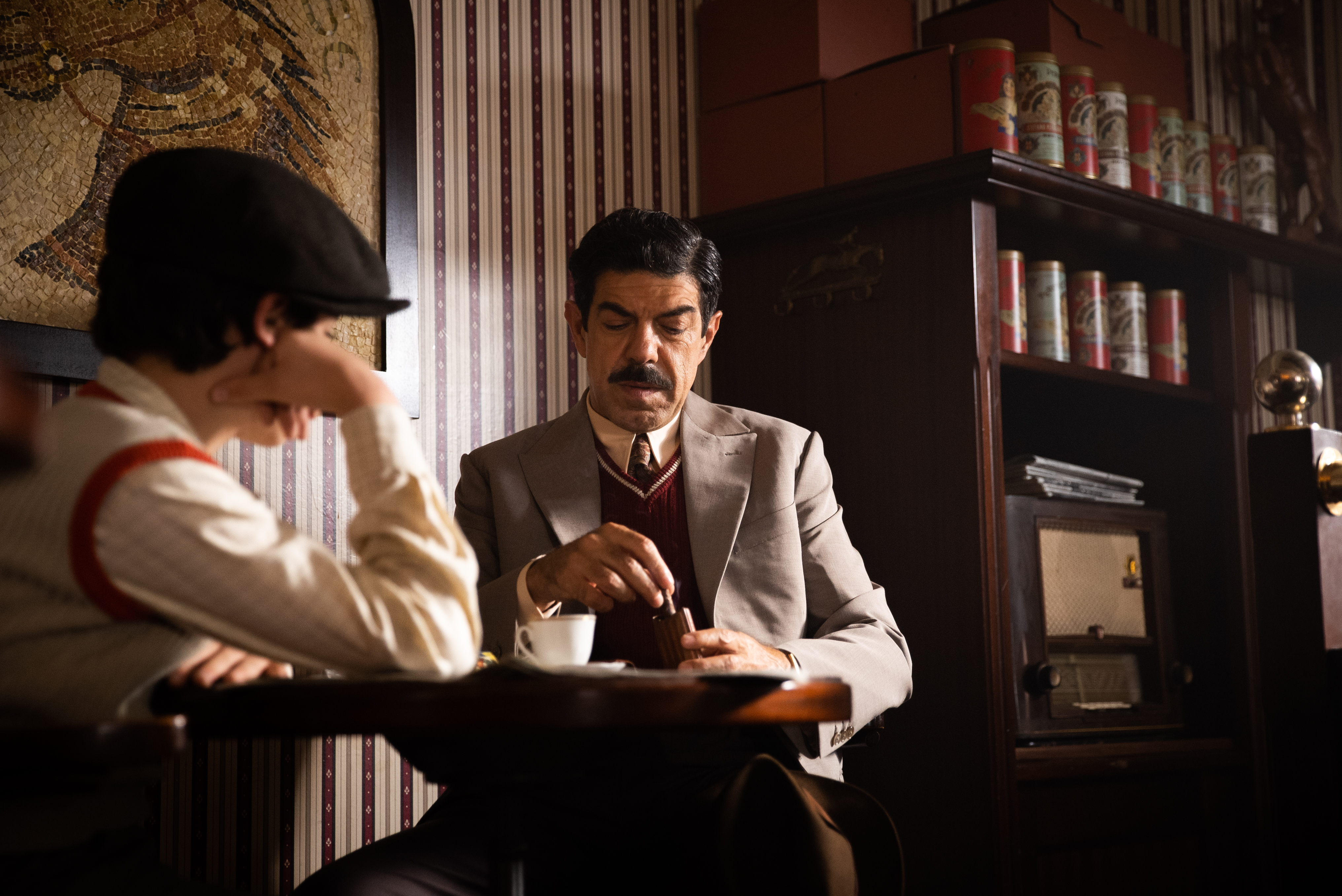
Dopo Tutto il mio folle amore (2019), Il ragazzo invisibile (2014) e Il ragazzo invisibile – Seconda generazione (2018) Salvatores è tornato ancora una volta a girare a Trieste, qui trasformata per diventare la New York degli Anni ’40: una città magica, che corrisponde all’incantato sguardo di Carmine e Celestina. Restituita nella pellicola attraverso gli occhi e l’immaginario dei due bambini, alla cui altezza è quasi sempre collocata la macchina da presa.
“Quando ho fatto il primo film qui questi erano territori che dal cinema non erano particolarmente frequentati - aveva in passato dichiarato Salvatores a proposito del capoluogo del Friuli-Venezia Giulia - . Sono orgoglioso abbiano scoperto questa città e torno qui sempre con molto affetto”.
Location principale della terza parte del film, quella in cui i due scugnizzi si muovono tra le strade di New York, la città di Trieste, con scenari che includono Palazzo Carciotti, Porto Vecchio, Salone degli Incanti, Stazione Marittima, Palazzo Berlam, Piazza S. Giovanni, Chiesa S. Antonio, Caffè San Marco, Palazzo Vivante, Pasticceria Bomboniera, Stock e gli esterni del Savoia Excelsior Palace.
Le riprese sul territorio, iniziate il 15 maggio 2023, si sono protratte per 28 giornate di lavorazione, dopo un periodo di preparazione in città durato circa tre mesi. Oltre 60 tra tecnici e maestranze impiegate, tra cui una troupe di 41 tecnici fissi, a cui si sono aggiunte circa 20 figure part-time tra tecnici e maestranze locali, e oltre 100 persone di troupe, inclusi cast e interpreti.
Napoli – New York - prodotto Paco Cinematografica in collaborazione con Rai Cinema e il contributo della FVG Film Commission – PromoTurismoFVG - è il sesto film che Salvatores gira in Friuli-Venezia Giulia, dove aveva ambientato anche Come Dio comanda (2008), girato a Magredi del Cellina (Pordenone) e nella zona industriale Rivoli di Osoppo (Udine).
Pierfrancesco Favino: questo film è una favola lieve
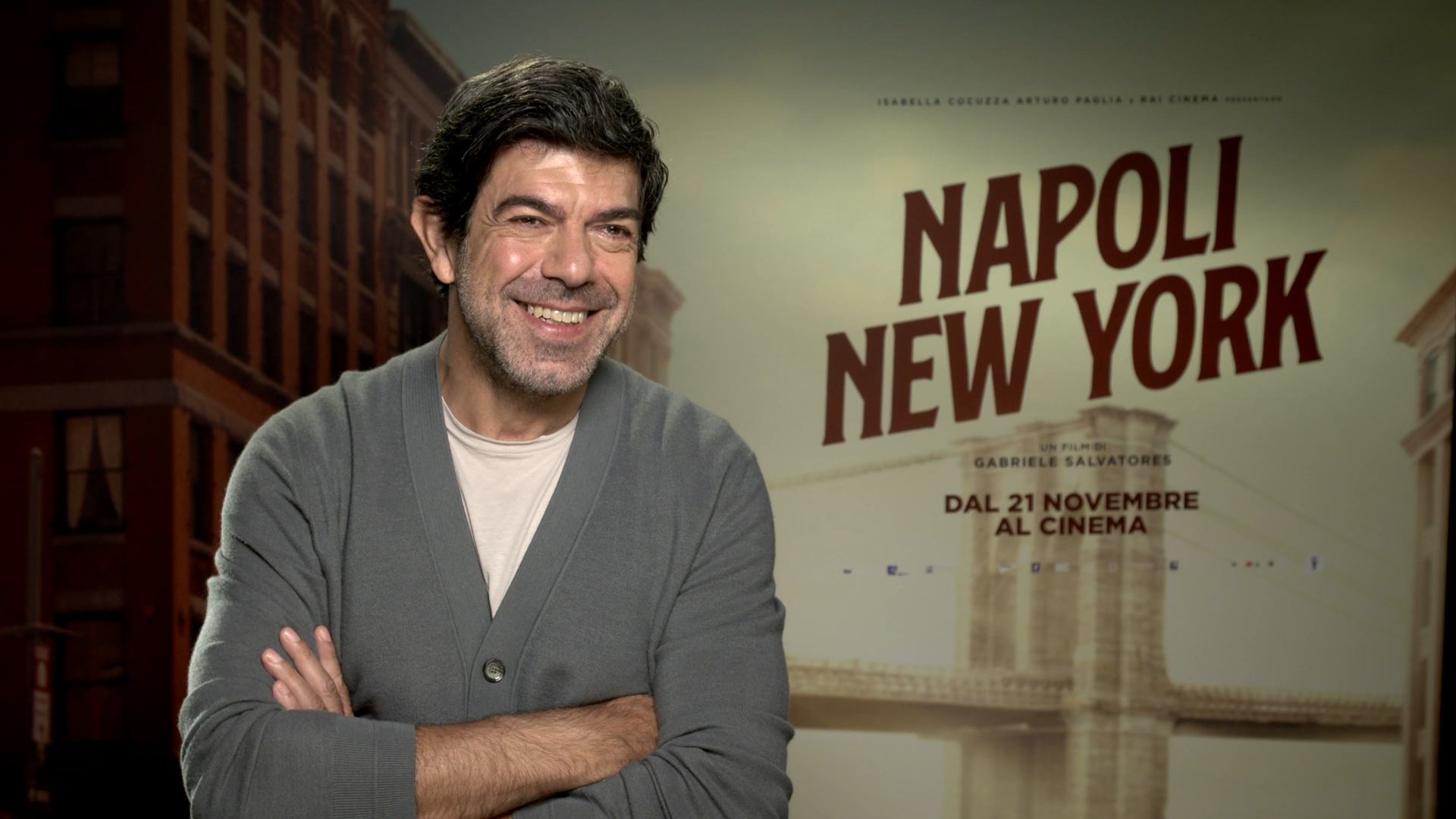
A interpretare Garofalo, amabile commissario di bordo che si prende cura dei due bambini arrivando, a un certo punto, a pensare di adottarli, Pierfrancesco Favino, che rispetto al film sottolinea come sia "una favola lieve, che non pretende di fare la morale o di saperne di più di uno sguardo storico sui flussi migratori. Una storia a lieto fine che mostra che se le persone mettono se stessi a disposizione degli altri, forse le generazioni future riusciranno a fare delle scelte migliori”.
Napoli- New York è anche l’avventura di due giovani che, con un'enorme gioia di vivere, cercano la propria indipendenza e la propria autonomia, e lo fanno pure attraverso l'emanciparsi dal mondo adulto che vorrebbe vederli solo come figli. “Nel crescere e conquistare la propria indipendenza c’è una fase in cui si scopre di non essere più figli. Trovo molto bello non fermare la crescita di una persona alla sua dimensione di figlio, l’idea che c'è nel film di fare spazio, di lasciare largo a quello che le persone scelgono di essere”.
'Napoli - New York': sinossi, trailer e backstage
Nell’immediato dopoguerra, tra le macerie di una Napoli piegata dalla miseria, i piccoli Carmine e Celestina tentano di sopravvivere come possono, aiutandosi a vicenda. Una notte, s’imbarcano come clandestini su una nave diretta a New York per andare a vivere con la sorella di Celestina emigrata mesi prima. I due bambini si uniscono ai tanti emigranti italiani in cerca di fortuna in America e sbarcano in una metropoli sconosciuta, che dopo numerose peripezie, impareranno a chiamare casa.
Guarda il dietro le quinte delle riprese:
VEDI ANCHE:
- Napoli – New York: la SCHEDA FILM con tutte le location
(Carmen Diotaiuti)