“The Light”, Tom Tykwer accende Berlino con la sua famiglia disfunzionale e frammentata
BERLINO - Famiglie disfunzionali, isolamento, divario generazionale che è anche precisa accusa che una parte rivolge all’altra, quella di aver perso una possibilità. La Berlinale accende i riflettori con Das Light (The Light), film d’apertura scritto e diretto da un autore amato dal Festival, Tom Tykwer, (Lora corre, Cloud Atlas, Babylon Berlin) che già in passato aveva aperto la kermesse: nel 2002 con la sua prima produzione internazionale Heaven e nel 2009 con il thriller politico The International. Presentato nella sezione Berlinale Special The Light è ambientato nel cuore della città di Berlino, una metropoli frammentata, in movimento, perennemente sotto la pioggia, che accoglie le dinamiche disfunzionali di una famiglia composta da genitori quarantenni e figli adolescenti. Ognuno è concentrato principalmente sulla propria esistenza, e il nucleo familiare che ne deriva è un microcosmo isolato e frammentato, specchio di più globali tensioni e dinamiche sociali, come ha sottolineato il regista in conferenza stampa.
“Esiste una tendenza all’isolamento, e ho pensato che questo microcosmo lo mostrasse bene: tutti si sono isolati, ognuno vive nel proprio acquario, vi ha infilato la testa dentro, ha costruito il proprio mondo. Si guarda intorno e pensa sia molto bello, ma nessuno parla più con nessuno, tutti mettono la testa sott’acqua”.
Insieme alla distanza e al divario generazionale il film esprime una dimensione intrecciata, quasi interconnessa, tra gli esseri umani, attraversati da un’unica e comune energia che pur nell’isolamento sorprendentemente li avvicina e rende reciprocamente accessibili. Così il microcosmo isolato della famiglia viene salvata da personaggio enigmatico che fa il suo ingresso prepotente nella storia, la misteriosa immigrata siriana Farrah che entra nelle loro vite come domestica. Un’energia che arriva dall’esterno, li scuote, li tira fuori dalla bolla del loro mondo e li fa guardare di nuovo l’un l’altro, avvicinandoli.
“Questa dinamica microcosmica è la stessa che dovremmo adottare su scala più ampia, a livello politico e nel nostro collettivo desiderio di un mondo diverso. È l’unico modo che abbiamo per poter affrontare i problemi che ci troviamo davanti”, aggiunge Tykwer.
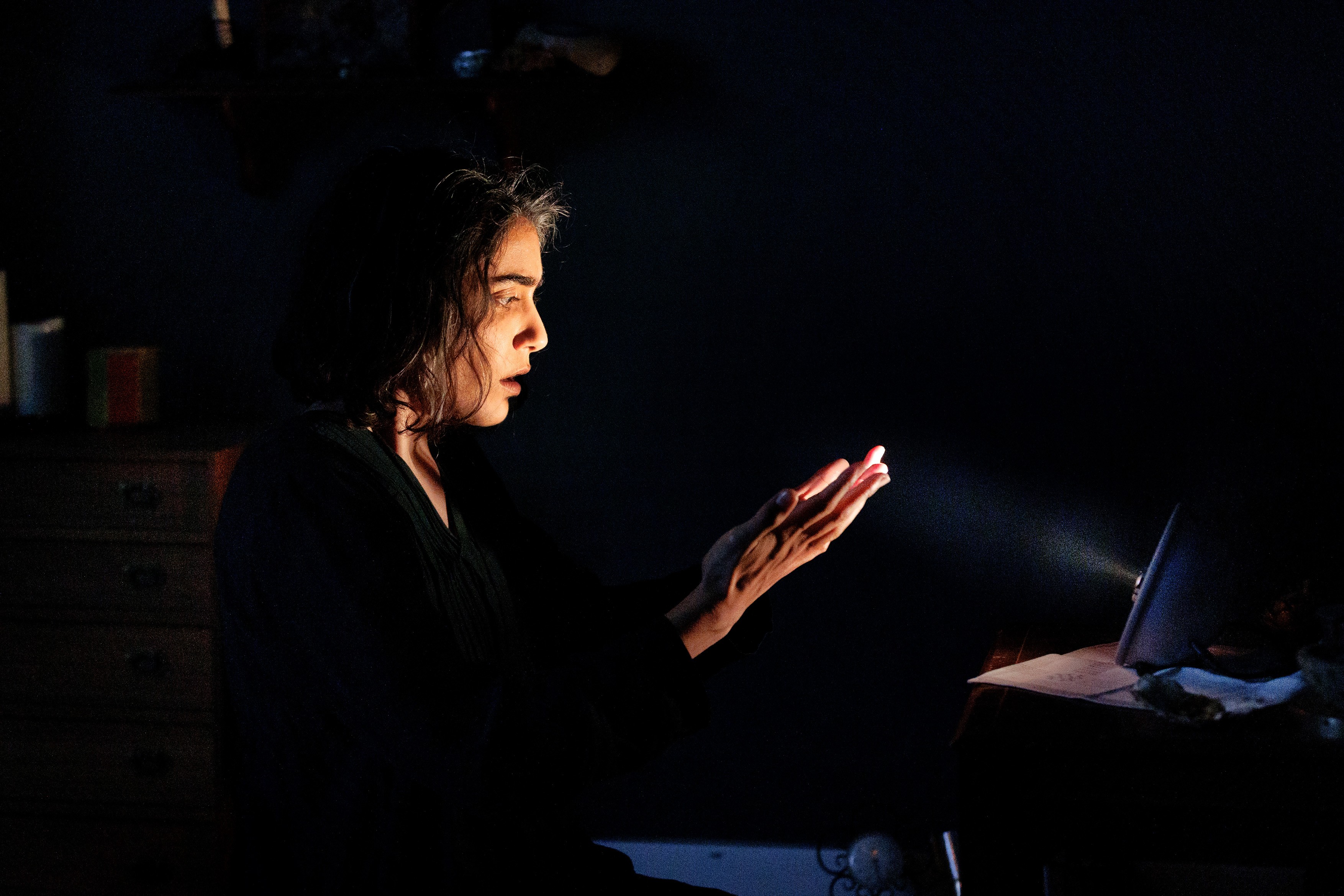
Tala Al-Deen, The Light by Tom Tykwer © Frederic Batier / X Verleih AG
Berlino città liquida, incompiuta e superbamente imperfetta
Tra i protagonisti della narrazione la città di Berlino, in cui il film è ambientato e girato: una metropoli in perenne trasformazione che cambia pelle ogni giorno. Dove si discute, e ripetutamente ci si incontra e scontra. Ricolma di un’energia che fa alterare ma è al tempo stesso incredibilmente stimolante. “Girare a Berlino è stato un viaggio straordinario - ha sottolineato il regista - È la miglior città cinematografica del mondo perché è sempre incompiuta e fa di tutto per non essere mai perfetta. Quando qualcosa sembra finito ecco che spuntano duemila nuovi cantieri. È così grottescamente brutta sopra cosa incredibilmente belle, eppure, proprio questo la rende viva e me la fa amare. Mi trovo così a difendere qualcosa che in realtà sarebbe negativo: la cattiva gestione della pianificazione urbana e dell’architettura, a cui mi aggrappo quasi segretamente perché ho sempre la sensazione che quando qualcosa è finito si fermi e diventi immobile. È difficile rendere vive sullo schermo città troppo perfette. A Berlino non devi fare nulla, tutto comunque si sgretola e viene rattoppato alla meno peggio, e questo stadio intermedio è perfetto per il film”.
Coproduzione franco-tedesca, in collaborazione con l’Italia
Il film è una coproduzione franco-tedesca, che coinvolge anche l’Italia. Prodotto da X Filme Creative Pool, in coproduzione con ZDF, ARP Séléction, Gold Rush Pictures, Gretchenfilm e B.A. Filmproduktion in collaborazione con Beta Cinema, e in collaborazione con Rai Cinema. Una presenza che conferma il ruolo dell’industria cinematografica italiana nel panorama produttivo europeo e internazionale.