La principesca Torino nella serie 'Il Gattopardo'
ARTE E LOCATION: IL CINEMA NEI DETTAGLI
Nella quinta puntata della serie, la storia si sposta in maniera determinante a Torino, dove ormai si è stabilita la capitale del Regno e dove vanno a vivere Angelica e Tancredi, nella loro sfrenata arrampicata sociale.
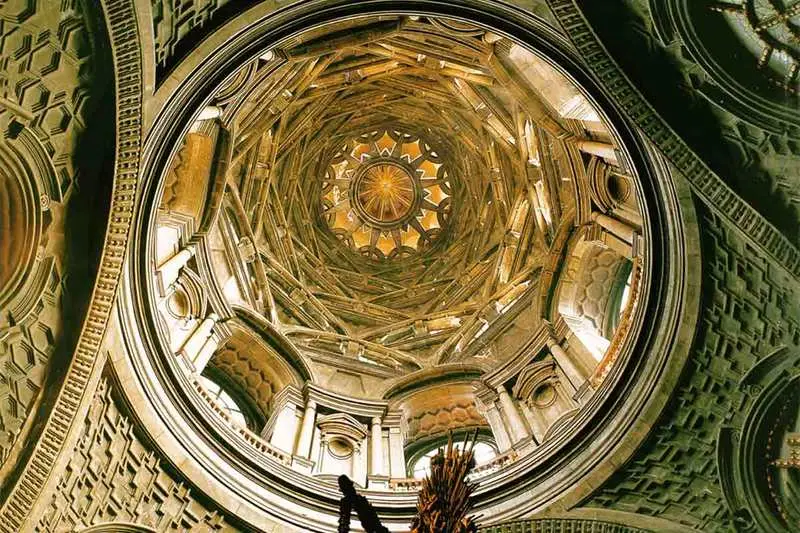
Il treno sbuffa in direzione nord, simbolo di un paese ormai unificato, e la macchina da presa, come aveva fatto nella prima puntata con la cupola di San Giuseppe dei Teatini a Palermo, fa la medesima cosa con quella della Basilica di Superga di Filippo Juvarra (1717-1731), affacciandosi sulla vallata con la città attraversata dal Po e quindi scendendo su piazza Carignano con il Monumento a Vincenzo Gioberti di Giovanni Abertoni (1859) e sull’omonimo Palazzo Carignano (1679-85). L’edificio, costruito per Emanuele Filiberto di Savoia-Carignano, è uno dei capolavori barocchi del teatino Guarino Guarini, che in quegli anni realizzò anche la cappella della Sacra Sindone (1680), con la famosa cupola che infatti viene inquadrata più avanti nella stessa puntata “torinese” della serie.
Il palazzo, dalla caratteristica struttura in cotto, ha una facciata ad ali che seguono linee concavo-convesse pienamente barocche, che richiamano i progetti di Bernini per il Louvre e il Castello di Vaux-le-Vicomte, ma soprattutto quello di Borromini per l'Oratorio dei Filippini a Roma, con cui condivide anche l’uso del laterizio a vista.
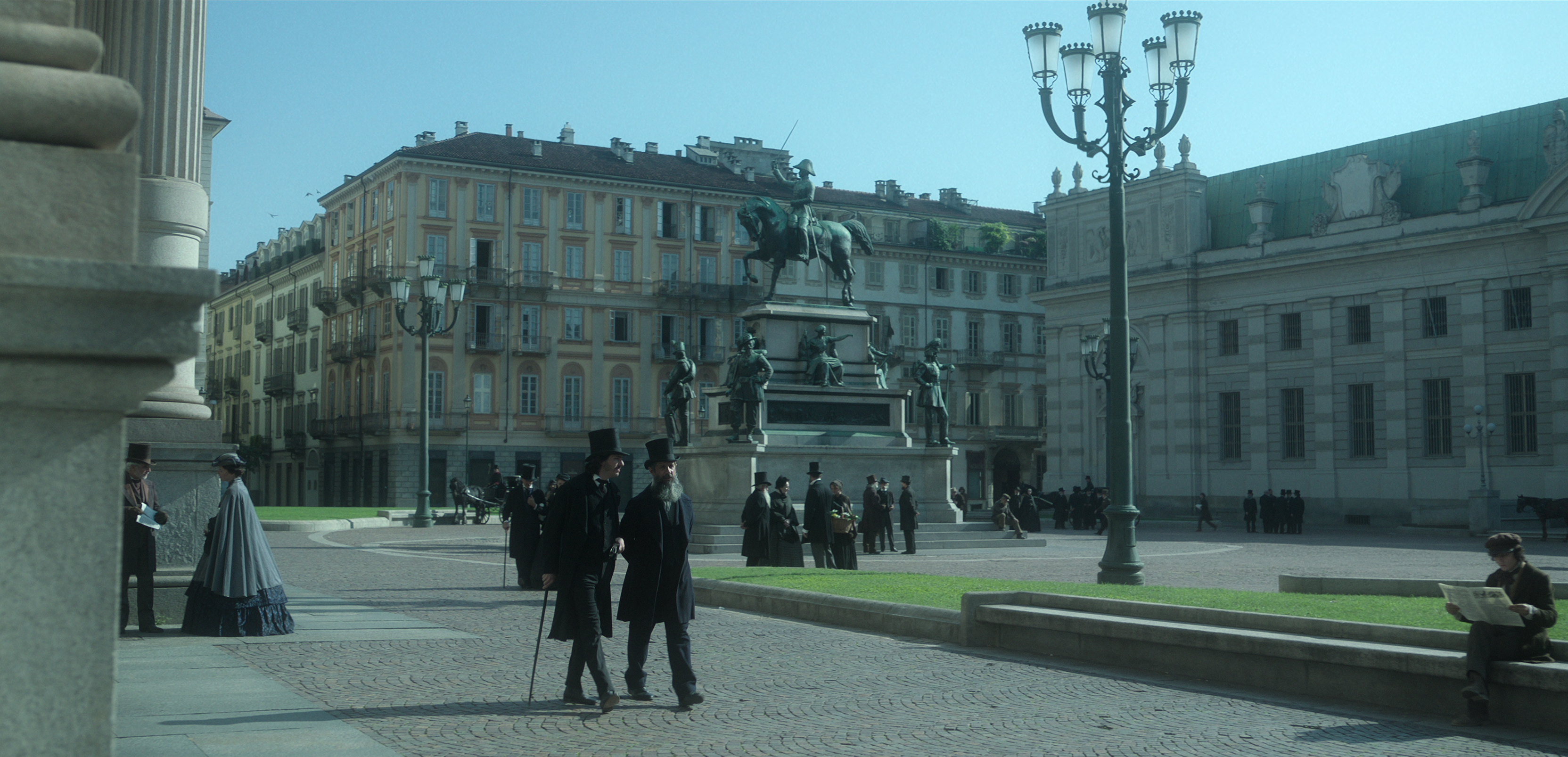
Nella serie vediamo anche gli scranni dei deputati, oggi parte del Museo del Risorgimento Italiano all’interno del palazzo che fu la prima sede del Parlamento del Regno, quando don Fabrizio viene invitato a diventare membro del Senato, allora la camera alta del Parlamento, a nomina regia; nonché la piazza sul retro del palazzo, piazza Carlo Alberto con il monumento equestre all'uomo che fu re di Sardegna dal 1831 al 1847, opera di Carlo Marrocchetti (1856-1860).
Anche le opere di Juvarra tornano nelle scene ambientate a Torino, poiché è uno dei suoi primi progetti in città Palazzo Birago di Borgaro (1716) in via Carlo Alberto, che fa da residenza a Tancredi e Angelica. Fabrizio e sua figlia Concetta arrivano in carrozza nel cortile d’onore del palazzo – realizzato per il conte Augusto Renato Birago, generale del Regno di Sardegna – , passando sotto la serliana retta da pilastri e alleggerita da due oculi con grandi vasi in marmo.
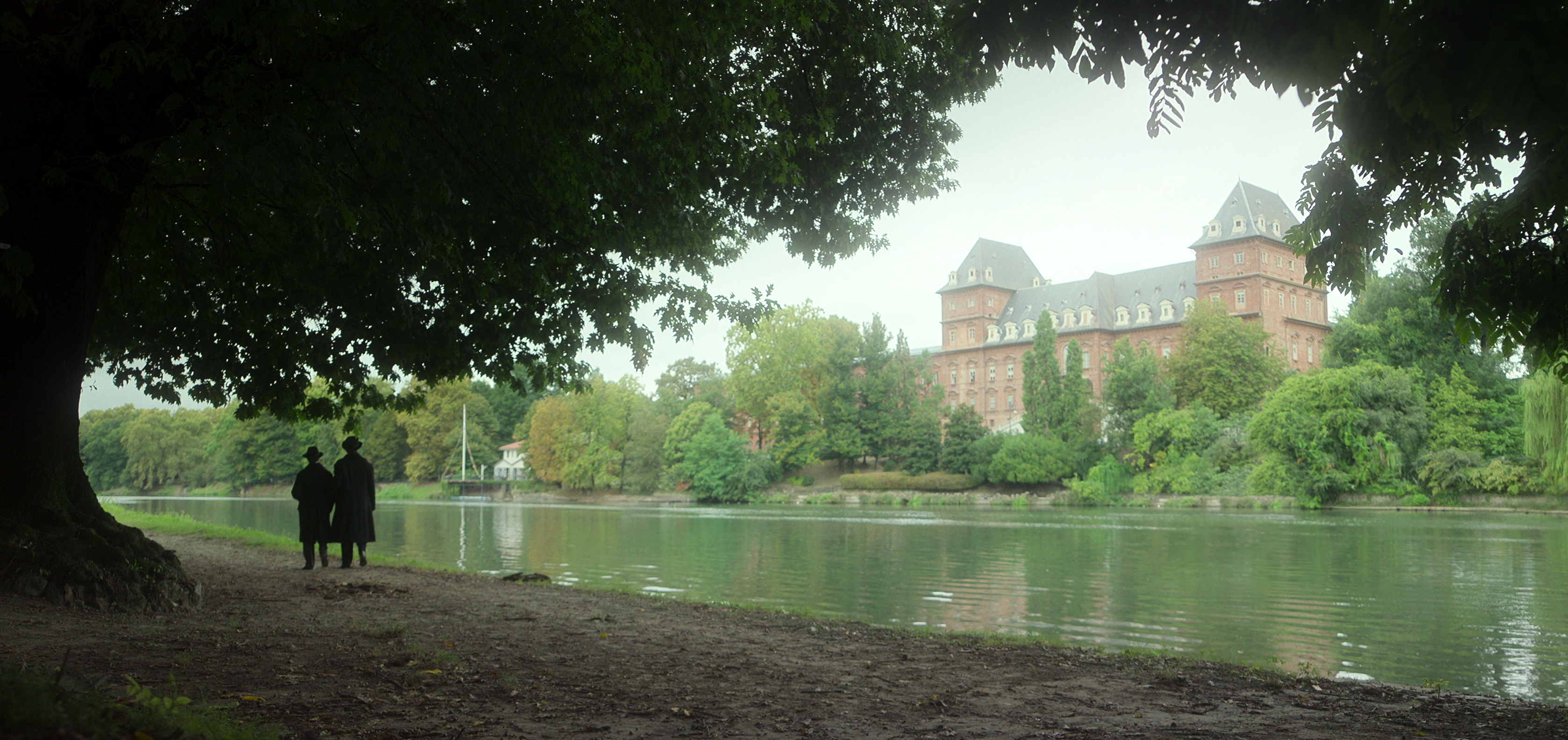
Alla stessa famiglia Birago, ma nel XVI secolo, appartenne invece il Castello del Valentino – dal toponimo Vallantinum – acquistato nel 1564 Emanuele Filiberto di Savoia e nel ‘600 affidato agli architetti Carlo e Amedeo di Castellamonte, che ne fecero un grande esemplare di barocco francese a Torino. Nella serie se ne vede la facciata che dà sul Po durante una lunga passeggiata di don Fabrizio e Tancredi, riconoscibile per i mattoni rossi a vista e gli abbaini in ardesia, di chiara ascendenza francese.
Diverso il caso del Teatro Regio, dove Tancredi e Angelica invitano gli ospiti Fabrizio e Concetta a vedere il Nabucco e in cui la macchina da presa entra – dopo aver mostrato dall’esterno la cupola della cappella della Sindone – ed esplora lo spazio fino alla decorazione interna. Qui però, ciò che riprende non è né la cappella di Juvarra, né tantomeno del Teatro Regio, ma il dipinto del perugino Annibale Brugnoli (1879-1880), raffigurante una corsa di bighe fiancheggiata da personaggi all’antica, che decora la grande cupola del Teatro dell’Opera di Roma (Teatro Costanzi fino al 1926), che è quindi la reale location della scena.
Vale la pena citare almeno un altro edificio di Torino utilizzato dalla serie, il Palazzo di Città, davanti al quale Fabrizio ferma Angelica, che si era intrattenuta a parlare con l’ambasciatore francese, ma soprattutto al suo interno tiene il famoso discorso con cui rifiuta di diventare senatore, abbracciando la sua sicilianità e la sua idiosincrasia verso il nuovo che avanza. Il complesso, che andò a sostituire il palazzo civico medievale, fu progettato da Francesco Lanfranchi tra 1659 e 1663, ma poi subì degli interventi nei due secoli successivi: le stesse statue di Ferdinando e di Eugenio di Savoia ai lati dell’ingresso dove avviene l’incontro tra Fabrizio e Angelica sono della metà dell’800, rispettivamente opera di Giuseppe Dini e Silvestro Simonetta.
La sala del monologo di Kim Rossi Stuart, infine, è il Salone d’ingresso o dei marmi, modificato nel XIX secolo da Lorenzo Lombardi e Ferdinando Bonsignore, e dominato dal grande rilievo equestre di Vittorio Emanuele I di Giacomo Spalla (1823), che infatti campeggia all’interno dell’inquadratura.
Nella sesta e ultima puntata, l'azione tornerà a svolgersi in Sicilia e i luoghi saranno di nuovo quelli analizzati nelle prime due parti di questo approfondimento: