Eleonora Duse a Venezia: il Museo Fortuny e gli altri luoghi della laguna
ARTE E LOCATION: IL CINEMA NEI DETTAGLI
Nel suo film Duse, Pietro Marcello racconta gli ultimi anni della grande attrice teatrale italiana, nata a Vigevano ma vissuta a Venezia dal 1894 fino a pochi anni prima della morte, sopraggiunta a Pittsburgh, il 21 aprile 1924, a causa dell’aggravarsi di una polmonite durante una tournée statunitense.
Pertanto, pur se alcune sequenze sono girate a Roma (ex ospedale Carlo Forlanini, Palazzo dell’Aeronautica, Palazzo Orsini Taverna), in zone limitrofe della capitale (Mandela; Villa Aldobrandini a Frascati, di cui si vede il mascherone dell’orco tanto simile a quello di Bomarzo; piazze del Comune e del Governo a Tivoli; Sasso a Cerveteri) e a Viterbo (quartiere di San Pellegrino e tra il teatro dell’Unione e la piazza antistante), gran parte della pellicola è ambientata proprio a Venezia.
Il Museo Fortuny
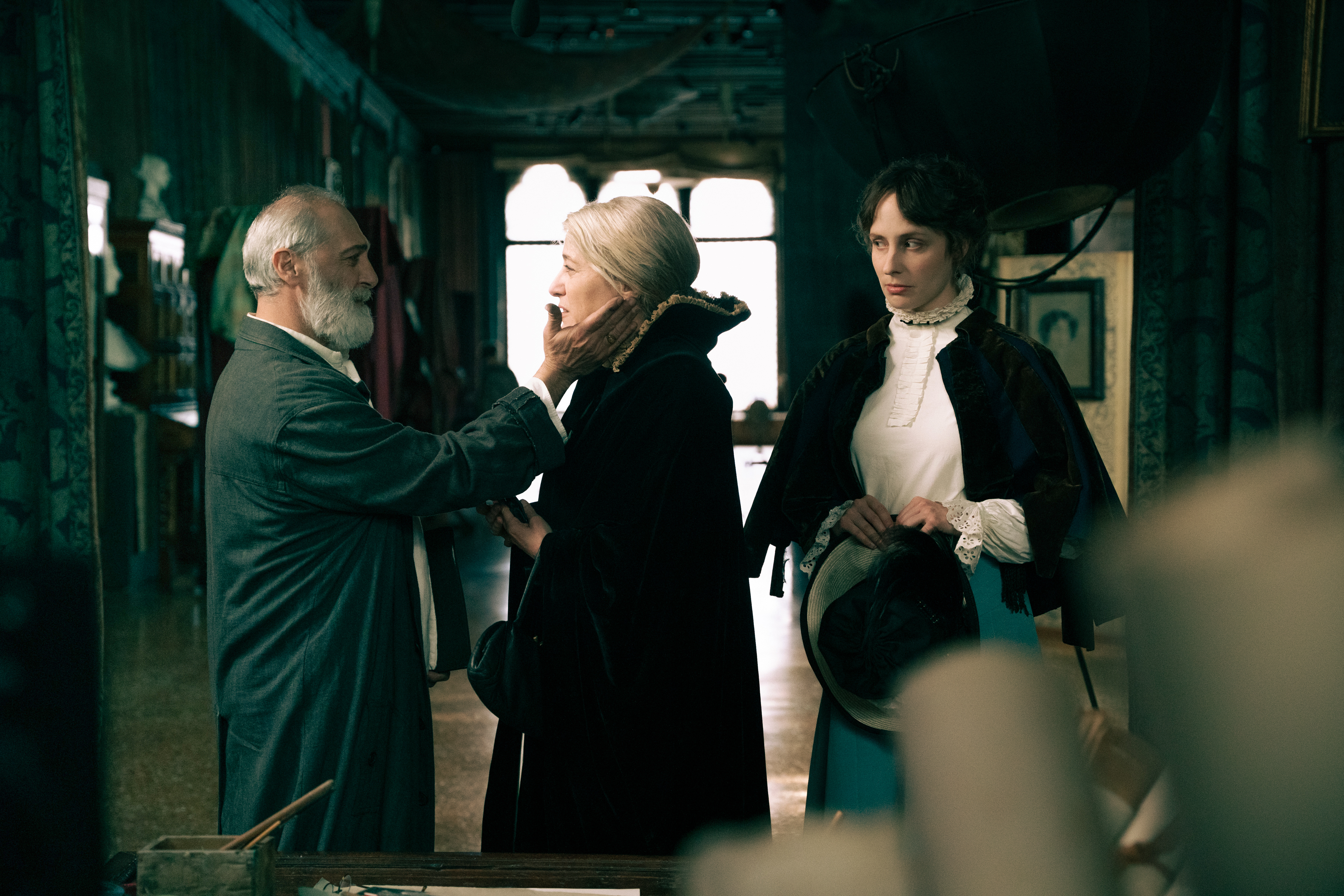
Tra i tanti luoghi della città lagunare, il Museo Fortuny è indubbiamente il più evocativo all’interno del film.
L’antico edificio di Palazzo Pesaro degli Orfei, fondato nel ‘400 dalla famiglia che poi si trasferì in Ca’ Pesaro, si vede dall’esterno con le sue polifore gotiche orientaleggianti, ma è il suo interno la parte più sfruttata dalla scenografia di Gaspare De Pascali. Peraltro, l’associazione con Eleonora Duse (interpretata da Valeria Bruni Tedeschi) non è casuale, ma perfettamente contestuale, poiché dal 1889 il palazzo fu abitato dallo spagnolo Mariano Fortuny, pittore, stilista e scenografo che lavorò per Duse nei suoi anni veneziani. Dopo la sua morte, occorsa nel 1949, la moglie Henriette Negrin, anche lei stilista, continuò a vivere nell’antico palazzo Pesaro, e nel 1956 lo donò al Comune di Venezia, con un atto notarile che precisava dovesse venire «utilizzato perpetuamente come centro di cultura in rapporto con l’arte; il salone centrale al primo piano dovrà conservare le caratteristiche di ciò che fu lo studio preferito di Mariano Fortuny y Madrazo, con le opere, i mobili e gli oggetti che vi si trovano attualmente; l’immobile dovrà essere denominato Palazzo Pesaro Fortuny». E così nel 1975 venne inaugurato il museo intitolato all’artista di Granada.
Nella grande sala finestrata al piano nobile, dove Eleonora Duse prova gli abiti, la macchina da presa va a pescare un dettaglio fondamentale dell’allestimento del museo: la statua dell’Antinoo, copia in gesso patinato del capolavoro di II d.C. trovato a inizio ‘700 a Villa Adriana, passato dagli Albani a Clemente XII Corsini e così entrato nella collezione dei Musei Capitolini nel 1733, dove fu restaurato e integrato da Pietro Bracci, uno degli scultori che lavorò alla Fontana di Trevi.
Della casa museo veneziana vediamo anche lo splendido giardino d’inverno, che Mariano Fortuny, nel film interpretato da Marcello Mazzarella, decorò a partire dal 1915 e fino agli anni ’40, realizzando una sorta di “giardino incantato” con figure allegoriche, satiri, animali esotici e rigogliosa vegetazione su un’intelaiatura di carta incollata su teleri fissati alle pareti per un totale di circa 140 metri quadri di superficie dipinta.
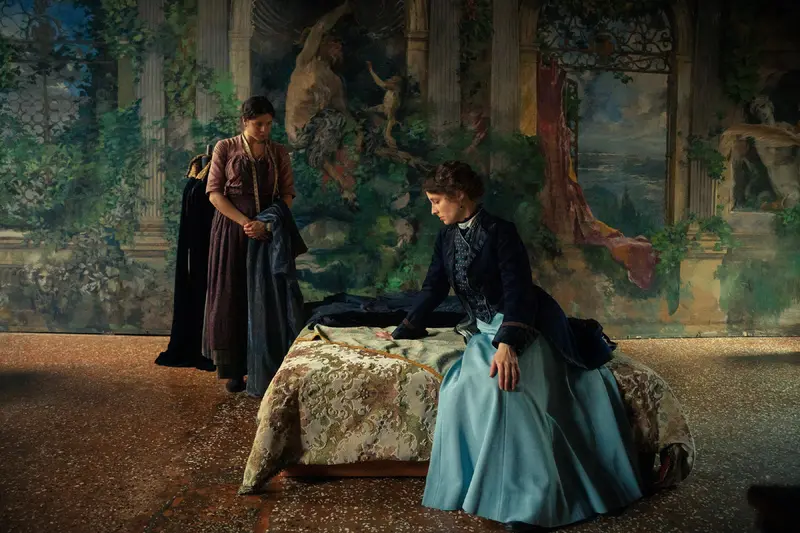
All’interno della pellicola, va ricordato, Eleonora Duse parla in quegli ambienti con lo stesso Mariano Fortuny, che le fa da costumista per i suoi spettacoli. Nella realtà fu proprio lui a realizzare, tra l’altro, il mitico Delphos, una tunica in seta plissé che brevettò nel 1909 e che liberava le donne dai corsetti. E, a conferma dello stringente legame con gli anni narrati nel film di Pietro Marcello, nel 1910 lo spagnolo in quel palazzo progettò il modello del Teatro delle Feste con l’architetto francese Lucien Hesse e con Gabriele d’Annunzio, interpretato da Fausto Russo Alesi.
I teatri, le chiese e il cimitero di Venezia
Tra gli altri luoghi della città, ci sono ovviamente anche i teatri: il teatro Goldoni e soprattutto il teatro La Fenice, in campo San Fantin, ben riconoscibile per il leone di San Marco dorato sul palco reale. Il leone, che oggi caratterizza così inequivocabilmente l’interno del teatro, però, non è sempre stato lì, poiché all’epoca della costruzione, tra 1789 e 1792, non esisteva nemmeno il palco, poi realizzato nel 1808 per l’imperatore d’Austria e ricostruito dopo il primo incendio del 1836. In seguito ai moti del 1848, il palco venne abbattuto perché simbolo dell’invasore, ma fu ripristinato l’anno seguente. Con la proclamazione della Repubblica, il 18 giugno 1946, lo stemma imperiale venne eliminato in favore del simbolo dell’evangelista Marco - e della città di Venezia -, ovviamente ricostruito, come l’intero teatro, secondo il principio del «com'era, dov'era», dopo l’incendio del 1996.
Non mancano, infine, altri palazzi, campi e chiese veneziane: si va così da Palazzo Contarini Polignac a Dorsoduro a campo San Beneto e campo Santa Giustina, dal ponte del Fondaco a una veduta di Canal Grande che, in una ripresa in campo largo, mostra la mole della basilica di Santa Maria della Salute, la grande chiesa barocca di Venezia commissionata a Baldassarre Longhena come ex voto dopo la peste del 1630-1631, poi completata nel 1687.
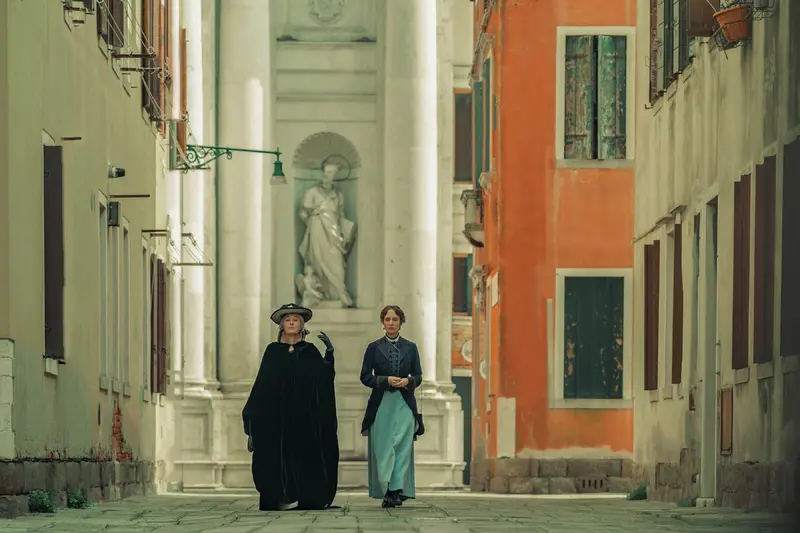
In un’altra bella inquadratura che vede camminare per una delle calli veneziane Eleonora Duse e la sua assistente austro-ungarica, Désirée Von Wertheimstein (Fanni Wrochna), chiude lo spazio sullo sfondo la nicchia con la statua di San Matteo e l’angelo, opera di Paolo e Giuseppe Groppelli, per la facciata settecentesca di Santa Maria Assunta, meglio nota come chiesa dei Gesuiti.
Infine, un paio di volte durante la pellicola, Eleonora e i suoi ospiti appaiono seduti a un tavolino a Palazzo Donà delle Rose, lungo Fondamenta Nuove, e la macchina da presa riprende il mare in direzione dell’isola di San Michele, che separa quel lato di Venezia da Murano. Le mura che vediamo, in laterizio intervallato da trifore e modanature in marmo, sono quelle del cimitero di S. Michele, costruito dopo l’editto napoleonico di Saint-Cloud (1804) che stabiliva per questioni d’igiene che le città si dotassero di aree di sepoltura lontane dai centri abitati. Fu così che nel 1807 venne scelta quella che allora era nota come l’isola di San Cristoforo della pace e il progetto del cimitero affidato all’architetto Gianantonio Selva.
La tomba di Eleonora Duse, invece, è nel cimitero di Asolo, dove la grande attrice fu sepolta come da sua richiesta, poiché nella cittadina trevigiana visse dal 1920 al 1922.
Leggi anche: