Cinque spiagge da film
Le coste italiane si estendono per circa 7.500 km, tantissimi, come gli attori e i registi che le hanno calpestate per girare i loro film. Alcuni di questi fanno ormai parte della storia del nostro cinema, altri li ricordiamo per aver fatto da sfondo a vicende che abbiamo amato attraverso il piccolo schermo. Vediamone alcune.
Sardegna e Wertmüller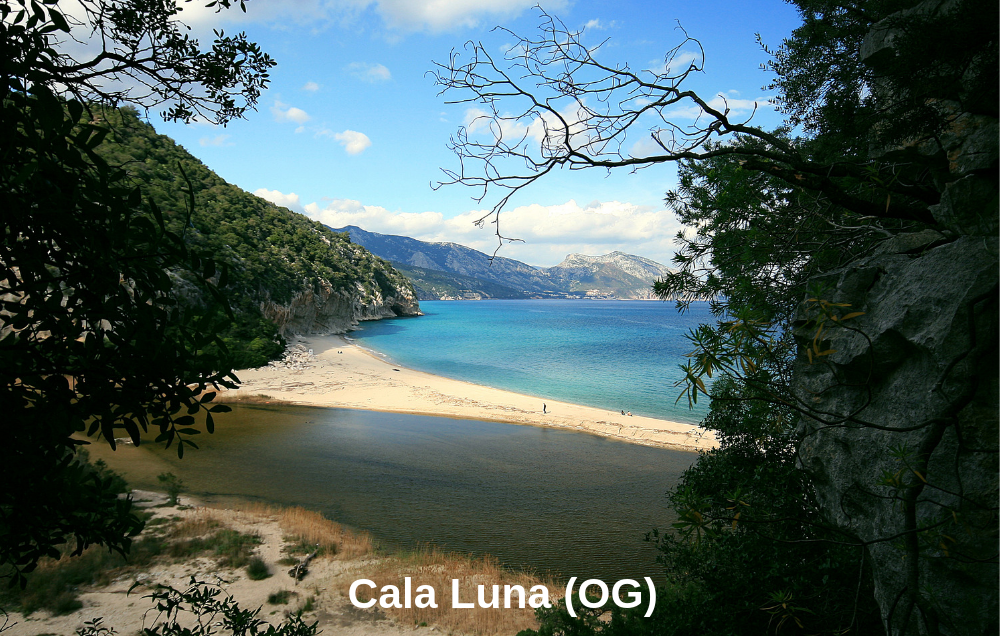
Difficile scegliere un film tra i tanti che sono stati girati sulle meravigliose coste della Sardegna. Difficile come fare una classifica delle spiagge più belle: ma probabilmente l’isola deserta su cui Mariangela Melato e Giancarlo Giannini bruciano di passione in Travolti da un insolito destino nell’azzurro mare di agosto di Lina Wertmüller riesce a fornirci un’idea. Non siamo su un’isoletta ovviamente, né tantomeno si può definire deserta, perché il luogo dove i due approdano naufraghi per un capriccio di lei è un insieme di perle della costa orientale della Sardegna, Cala Fuili, Cala Luna e Capo Comino: tre spiagge, nel Golfo di Orosei, che distano alcuni chilometri tra loro e che nella finzione scenica rappresentano un’unica isola, selvaggia e incontaminata.
Sicilia e Montalbano
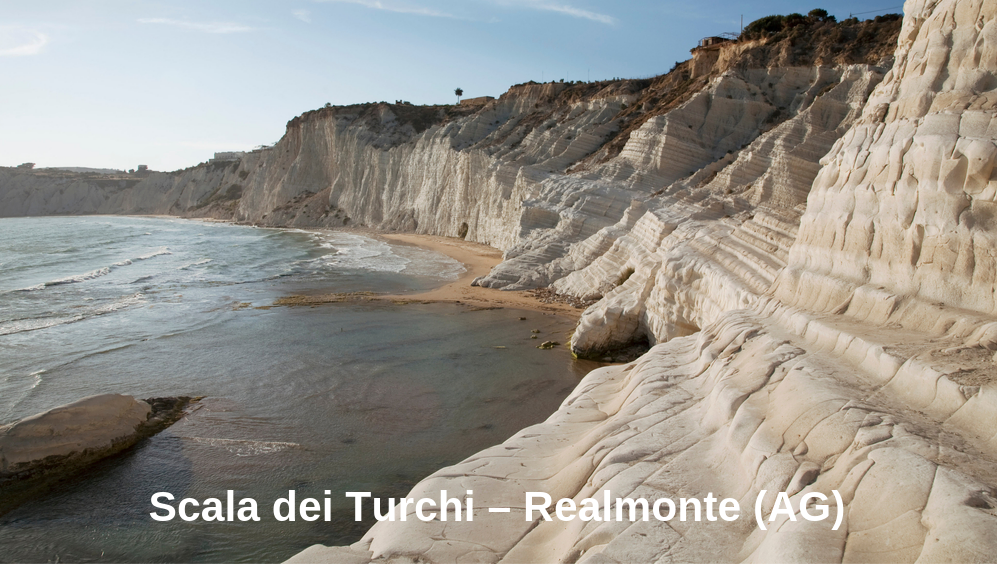 Le coste dell'altra grande isola del Bel Paese, la Sicilia, hanno regalato a cinema e tv tanti scorci indimenticabili. In questo caso la scelta ricade sulla costa sud orientale costellata di perle barocche e fondali turchesi. Qui, nell’immaginaria Vigata, nell’altrettanto immaginaria provincia di Montelusa, il celebre Commissario Montalbano svolge da vent’anni le sue indagini. Indimenticabile la casa con affaccio sul mare di Marinella, ovvero Punta Secca, nel comune di Santa Croce Camerina, così come la Scala dei Turchi, parete rocciosa che si erge a picco sul mare lungo la costa di Realmonte.
Pazza gioia a Viareggio
La Pazza Gioia di Paolo Virzì, racconta la storia di due donne, interpretate da Valeria Bruni Tedeschi e Micaela Ramazzotti, ospiti di una comunità terapeutica, che un po’ per caso, un po’ volutamente, vivono una rocambolesca avventura che le renderà più mature, più vere, più umane nelle loro debolezze. La spiaggia di Viareggio fa da sfondo alla poetica scena finale con annesso bagno in cui Donatella ha la possibilità di fare pace con il suo passato prima di rientrare a Villa Biondi.
Poesia a Procida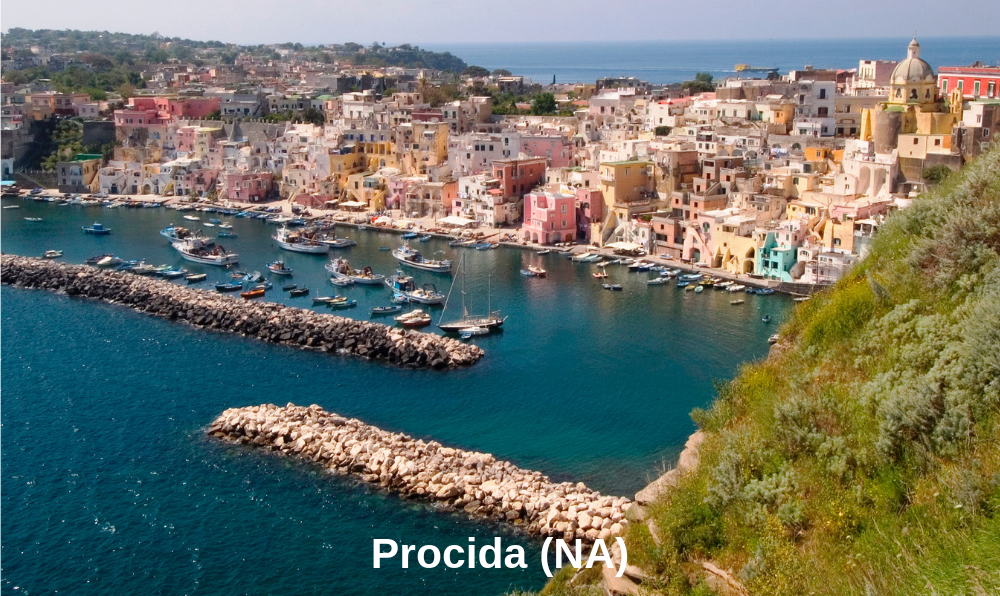
L’ultima malinconica e toccante interpretazione di Massimo Troisi è legata indissolubilmente all’Isola di Procida, dove in suo onore la Spiaggia del Pozzo Vecchio, sul versante occidentale dell’isola, viene chiamata anche Spiaggia del Postino. Qui Mario, memore degli insegnamenti di Pablo Neruda-Philippe Noiret, a cui consegna ogni giorno la posta, conquista il cuore di Beatrice, una giovane Maria Grazia Cucinotta, parlandole di poesia e citando metafore. Si tratta di una lingua di sabbia a forma di ferro di cavallo, la cui colorazione, scura perché di origine vulcanica, regala al mare un colore azzurro intenso.
Mine vaganti a Gallipoli
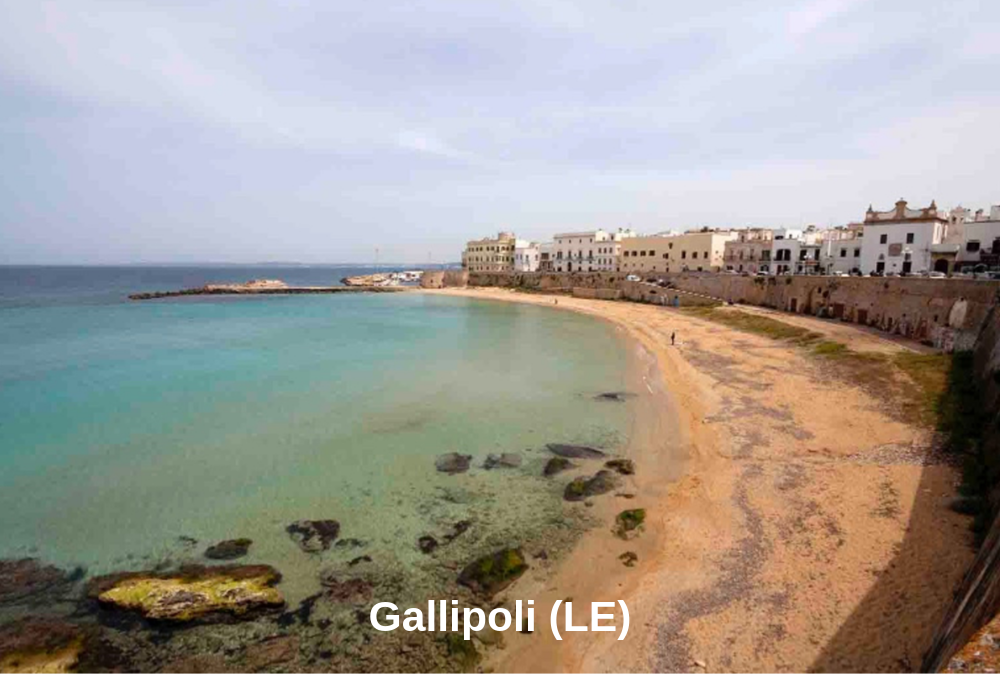 La famiglia Cantone, proprietaria di un importante pastificio in Puglia, è in trepidazione per il ritorno del figlio Tommaso, destinato ad affiancare il fratello Antonio nell'attività familiare. Il film Mine Vaganti ha consacrato l’amore di Ferzan Ozpetek per il Salento, il suo capoluogo barocco, Lecce, le masserie e, naturalmente le sue coste. Tommaso, rientrato da Roma a Lecce dove vive la sua ingombrante famiglia, ha alcune rivelazioni da fare, ma una serie di imprevisti glielo impediscono. Tra questi, l’arrivo dei suoi amici, che, in una memorabile scena, danzano al ritmo di Sorry, I'm a lady di Baccara nello scenario di Punta della Suina, sulla litoranea di Gallipoli.