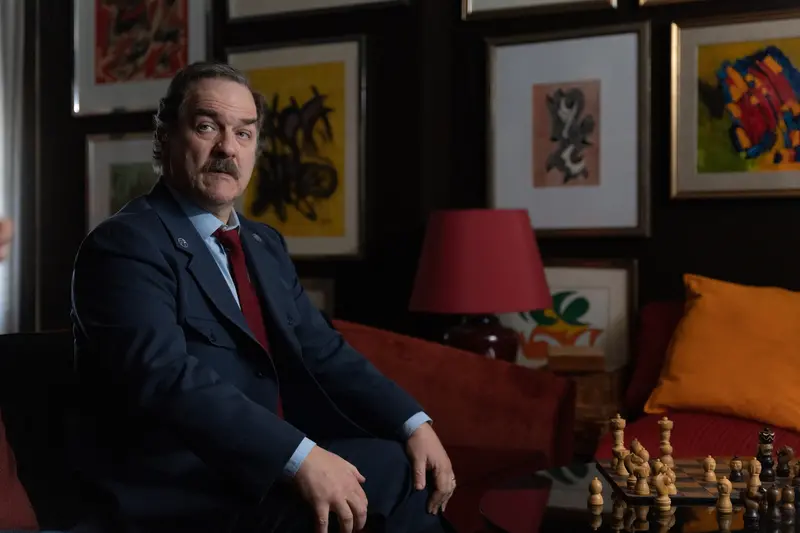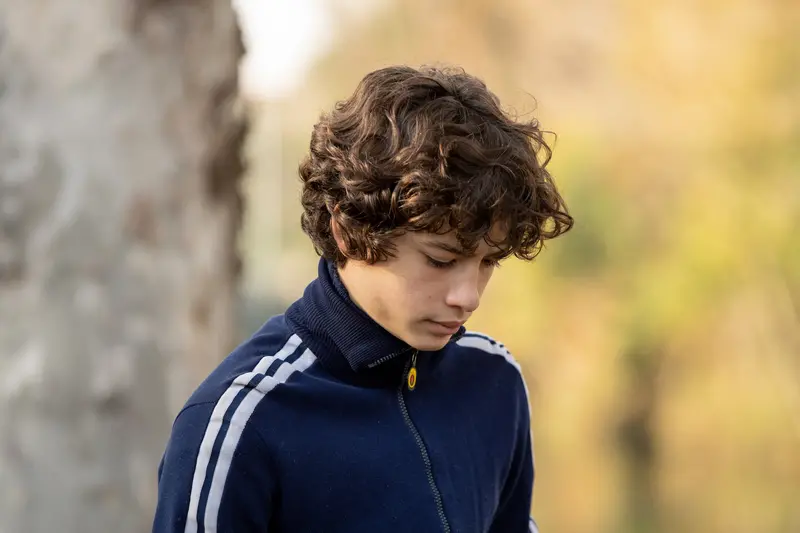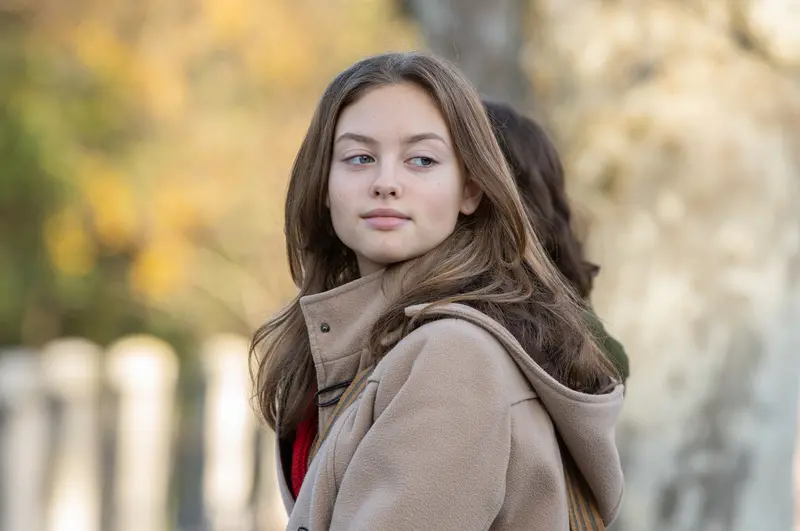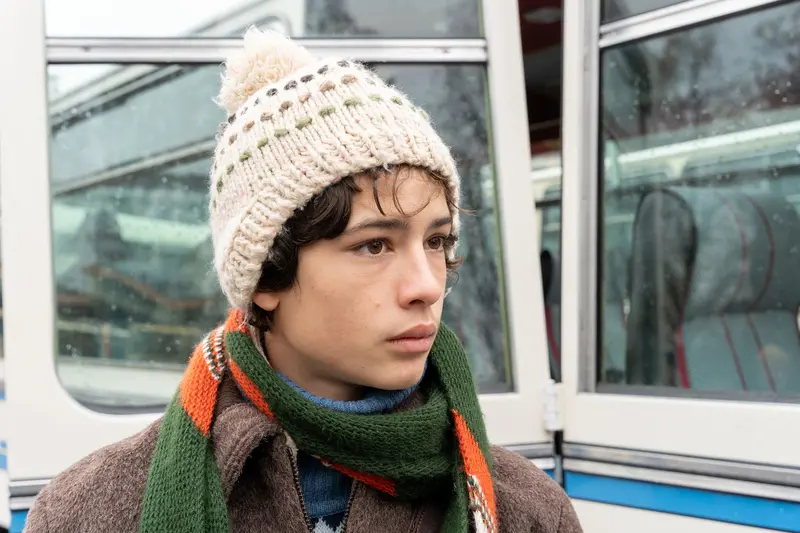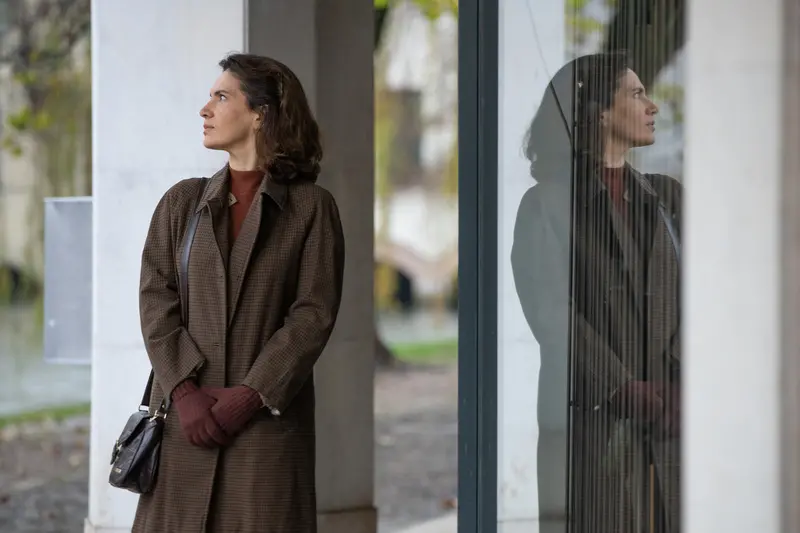
Luca Lucini’s Le mie ragazze di carta, with Maya Sansa and Andrea Pennacchi, uses comedy to tell the story of two decisive moments in the lives of 3 adolescents: the change from puberty to preadolescence with its experiences of first love and rugby games and the shift from the world of the countryside to that of the city.
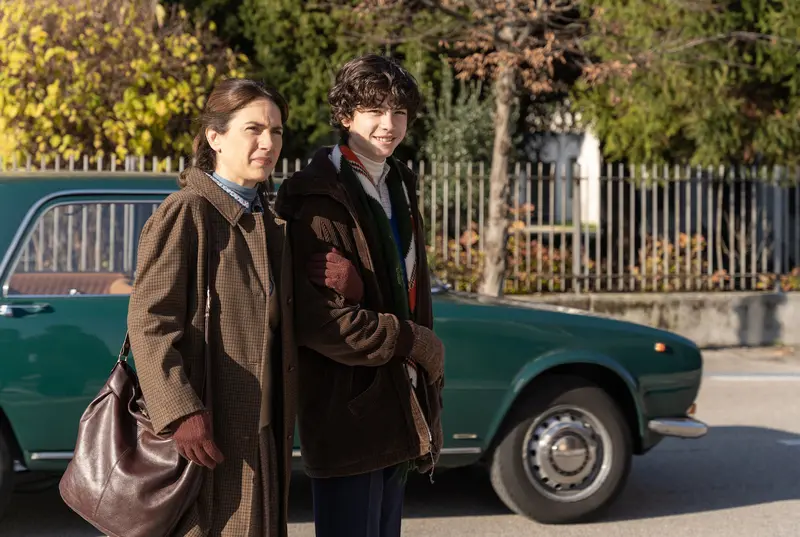
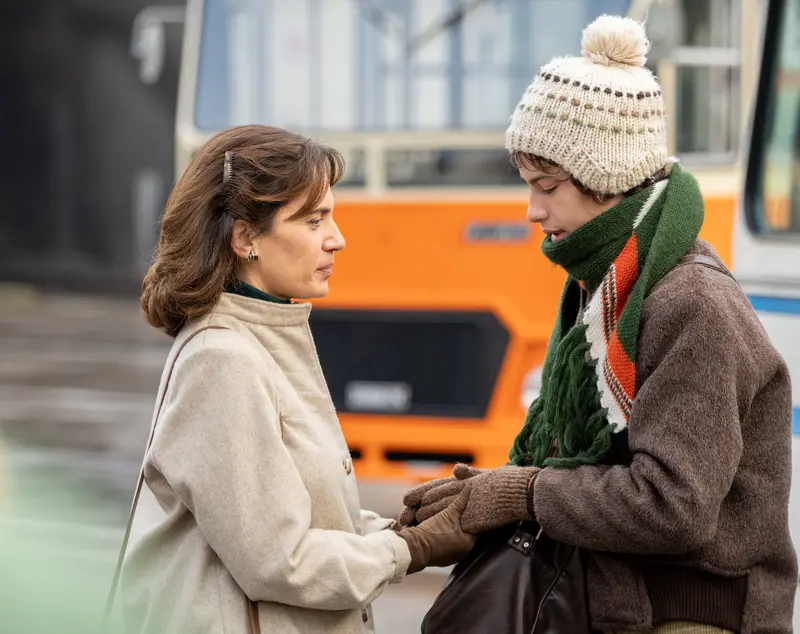
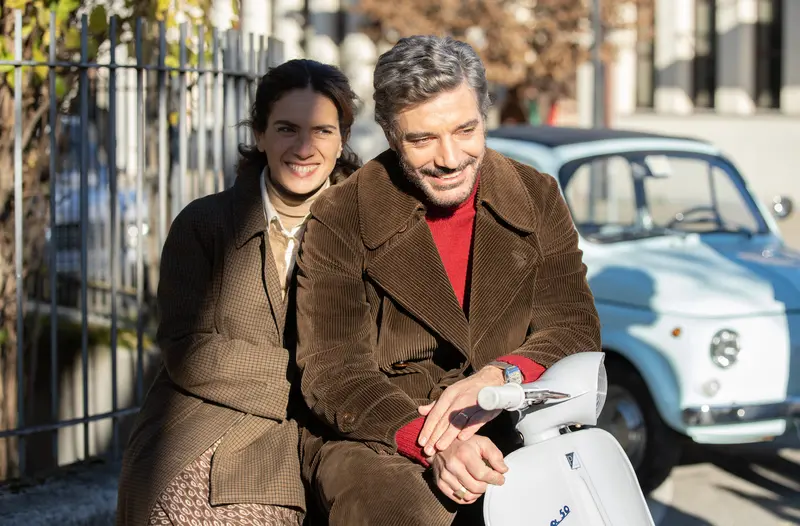
The film is set mostly in Treviso, where it was shot, in the Seventies – a time of rapid urban expansion – and focuses on the tumultuous change experienced by a family as they move from the country to a city setting. The city as location needed to be taken back over 40 years in time; the film features vintage cars (including Maggiolini, Fiat 128, Alfette), shop signs and clothing all appropriate to the period. The entire city, from historical centre to the suburbs, played a part: from views of the Buranelli and the Latino neighbourhood to Riviera Garibaldi, from piazza Pio X to the bus station. Locations also included the Liceo Scientifico Leonardo Da Vinci and the Parish of San Liberale.
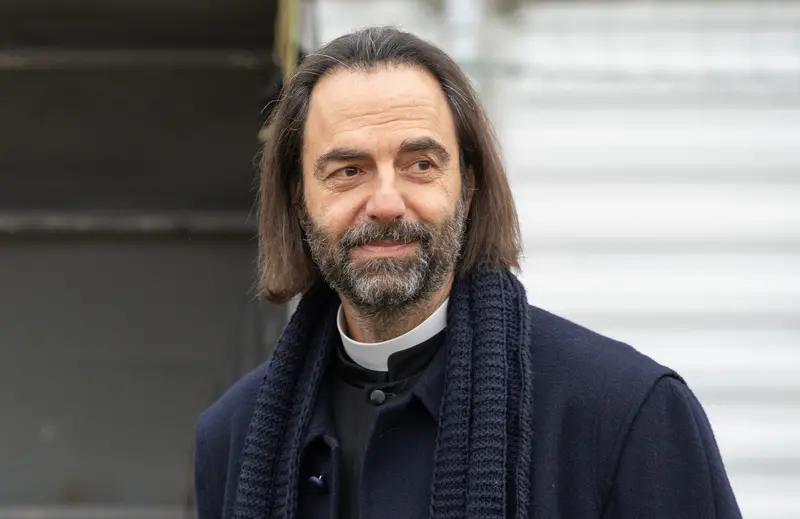
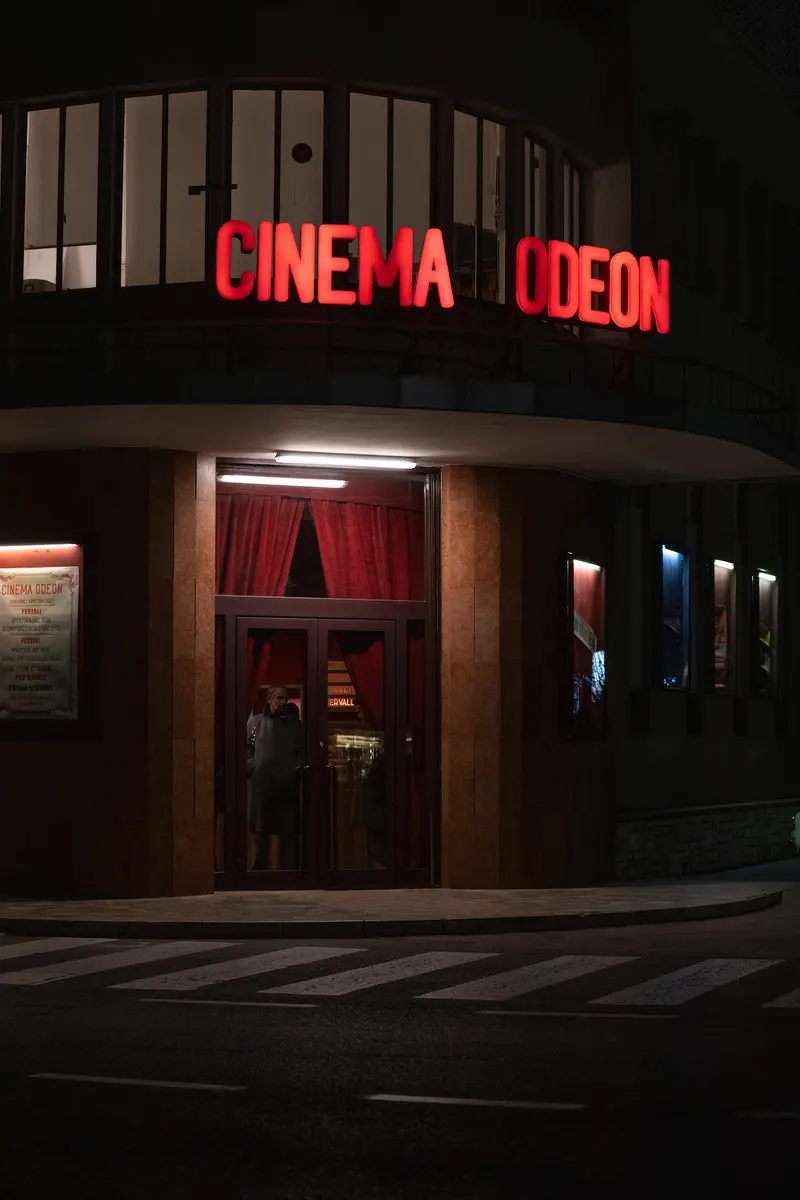
Locations were also provided by the historical centre of Mogliano Veneto, with the Parish of Santa Maria Assunta, where Neri Marcorè plays Don Marcello, a rugby coaching priest, and the Busan Cinema Teatro which pragmatically decides to “adapt” its programming to avoid bankruptcy.
Other locations included the waterfront town of Jesolo, with the part of via Correr flanking the pine forest, and the villages of Eraclea and Orsago, where scenes were shot at Villa Grumati, in via Cesare Battisti and surrounding areas. Some scenes were also shot in Rome.
Luca Lucini’s Le mie ragazze di carta, with Maya Sansa and Andrea Pennacchi, uses comedy to tell the story of two decisive moments in the lives of 3 adolescents: the change from puberty to preadolescence with its experiences of first love and rugby games and the shift from the world of the countryside to that of the city.
The film is set mostly in Treviso, where it was shot, in the Seventies – a time of rapid urban expansion – and focuses on the tumultuous change experienced by a family as they move from the country to a city setting. The city as location needed to be taken back over 40 years in time; the film features vintage cars (including Maggiolini, Fiat 128, Alfette), shop signs and clothing all appropriate to the period. The entire city, from historical centre to the suburbs, played a part: from views of the Buranelli and the Latino neighbourhood to Riviera Garibaldi, from piazza Pio X to the bus station. Locations also included the Liceo Scientifico Leonardo Da Vinci and the Parish of San Liberale.
Locations were also provided by the historical centre of Mogliano Veneto, with the Parish of Santa Maria Assunta, where Neri Marcorè plays Don Marcello, a rugby coaching priest, and the Busan Cinema Teatro which pragmatically decides to “adapt” its programming to avoid bankruptcy.
Other locations included the waterfront town of Jesolo, with the part of via Correr flanking the pine forest, and the villages of Eraclea and Orsago, where scenes were shot at Villa Grumati, in via Cesare Battisti and surrounding areas. Some scenes were also shot in Rome.

302 Original Content, Pepito Produzioni, Rai Cinema