Il bene comune was written by Rocco Papaleo and Valter Lupo: together they have co-written Scordato (2023), Onda su onda (2016), and Basilicata coast to coast (2010).
Similar to Papaleo's previous films, Il bene comune is the story of a journey that is both physical and interior: a journey across the Pollino National Park, beautifully captured by Diego Indraccolo's cinematography, in search of its symbol, the Bosnian pine, a centuries-old tree that symbolizes resistance, adaptation, and tenacious roots in a seemingly inhospitable and hostile land.
Credits include production design by Sonia Peng, costumes by Sara Fanelli, editing by Mirko Platania, and music by Michele Braga.
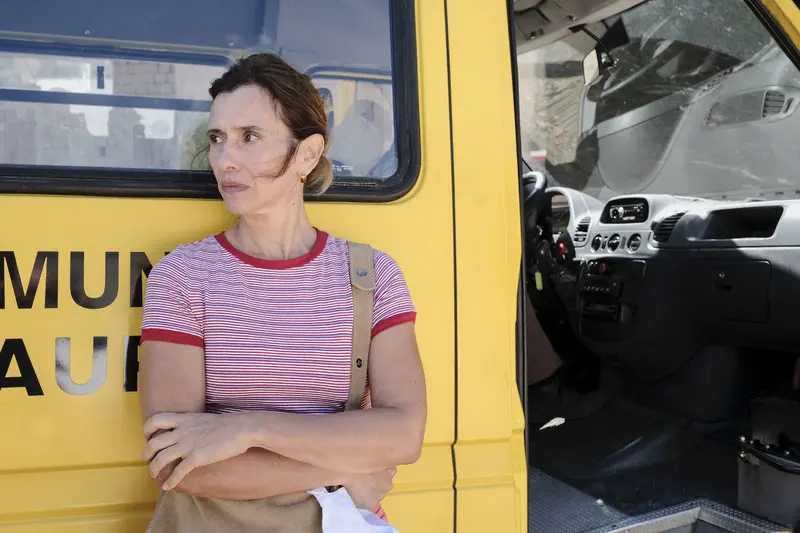
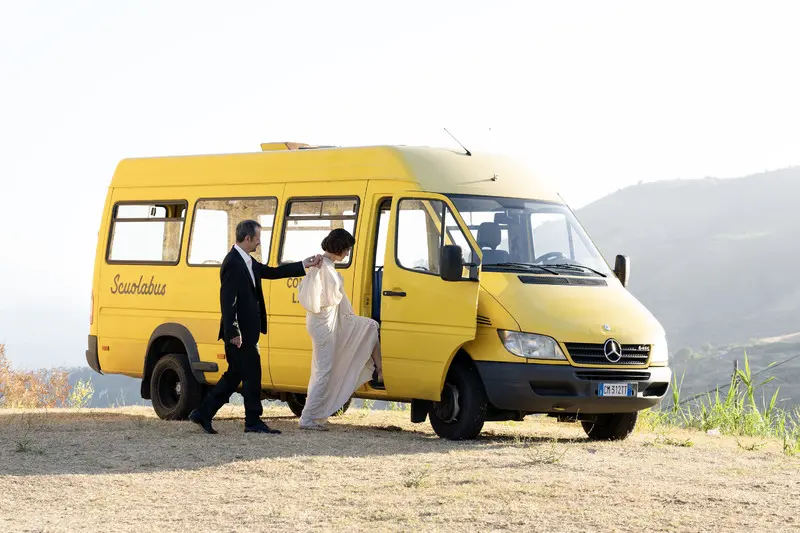
The film’s setting, the Pollino National Park, is the largest protected area in Italy, extending across Calabria and Basilicata. A group of prisoners, accompanied by a tour guide and a ‘resting’ actress, each with their own history, embark on a trip aboard a school bus provided by the Municipality of Lauria (Basilicata). The park entrance is represented by a "catasta (pile)" which conveys the idea of ?"a structure that integrates with the landscape": in Morano Calabro, on the Campotenese plateau, a functional space has been created within a large pile of logs which serves as both visitor centre and venue for refreshments and the sale of local products. In their search for the Bosnian pine, the group crosses the striking Devil's Bridge in Civita, overlooking the lower Raganello Gorges.
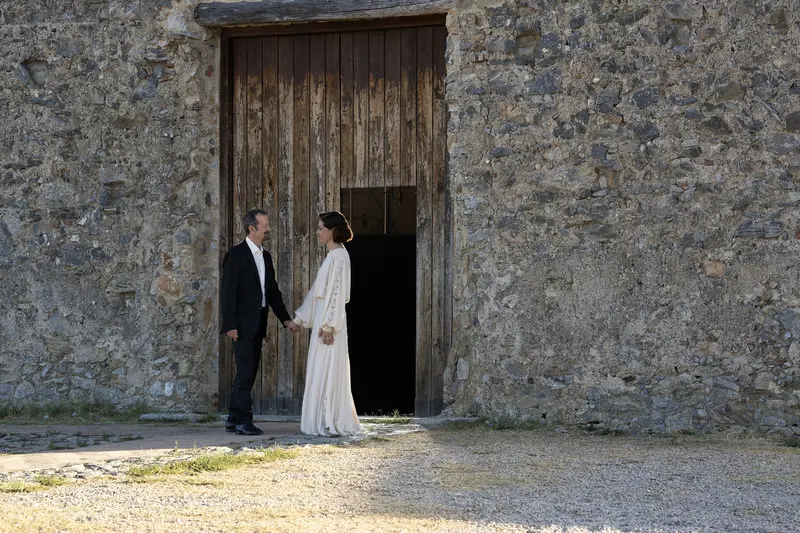
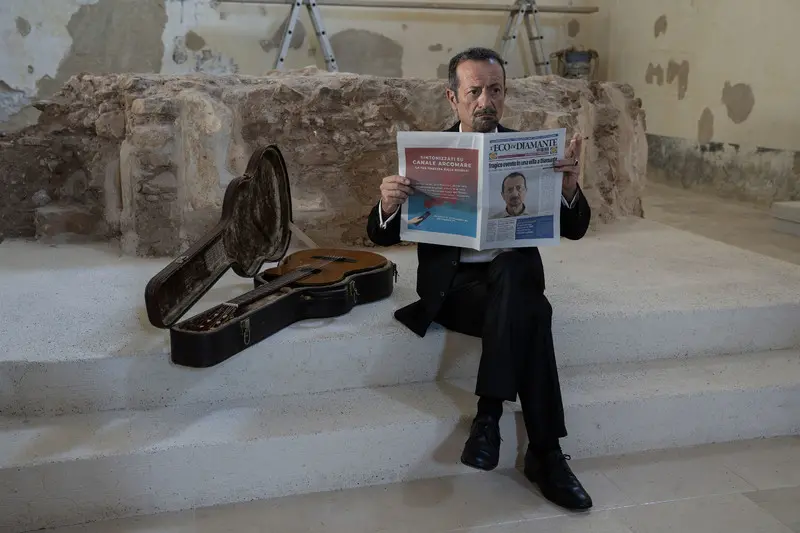
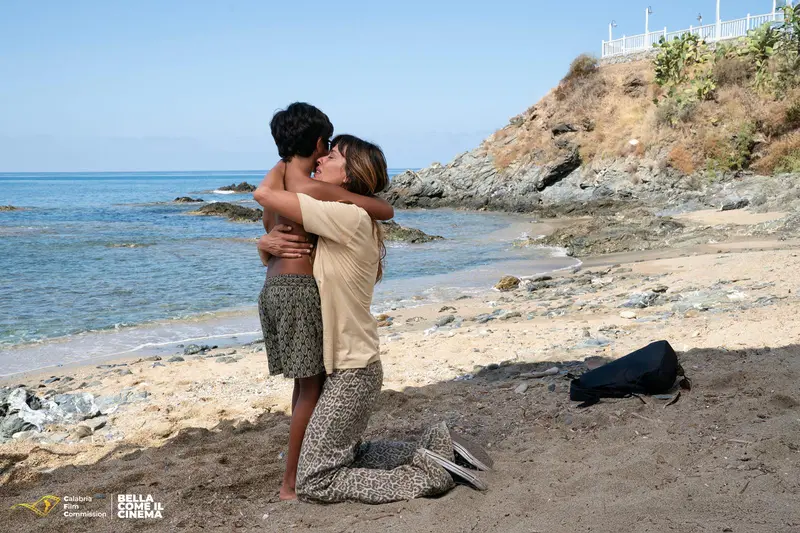
The six weeks (approx.) of filming included locations in the areas of Terranova di Pollino (Potenza), Castrovillari, Piano di Masistro, Piano di Novacco, Saracena (all Cosenza) with an epilogue by the sea in Diamante, pearl of the Tyrrhenian coast of Calabria.
Il bene comune was written by Rocco Papaleo and Valter Lupo: together they have co-written Scordato (2023), Onda su onda (2016), and Basilicata coast to coast (2010).
Similar to Papaleo's previous films, Il bene comune is the story of a journey that is both physical and interior: a journey across the Pollino National Park, beautifully captured by Diego Indraccolo's cinematography, in search of its symbol, the Bosnian pine, a centuries-old tree that symbolizes resistance, adaptation, and tenacious roots in a seemingly inhospitable and hostile land.
Credits include production design by Sonia Peng, costumes by Sara Fanelli, editing by Mirko Platania, and music by Michele Braga.
The film’s setting, the Pollino National Park, is the largest protected area in Italy, extending across Calabria and Basilicata. A group of prisoners, accompanied by a tour guide and a ‘resting’ actress, each with their own history, embark on a trip aboard a school bus provided by the Municipality of Lauria (Basilicata). The park entrance is represented by a "catasta (pile)" which conveys the idea of ?"a structure that integrates with the landscape": in Morano Calabro, on the Campotenese plateau, a functional space has been created within a large pile of logs which serves as both visitor centre and venue for refreshments and the sale of local products. In their search for the Bosnian pine, the group crosses the striking Devil's Bridge in Civita, overlooking the lower Raganello Gorges.
The six weeks (approx.) of filming included locations in the areas of Terranova di Pollino (Potenza), Castrovillari, Piano di Masistro, Piano di Novacco, Saracena (all Cosenza) with an epilogue by the sea in Diamante, pearl of the Tyrrhenian coast of Calabria.
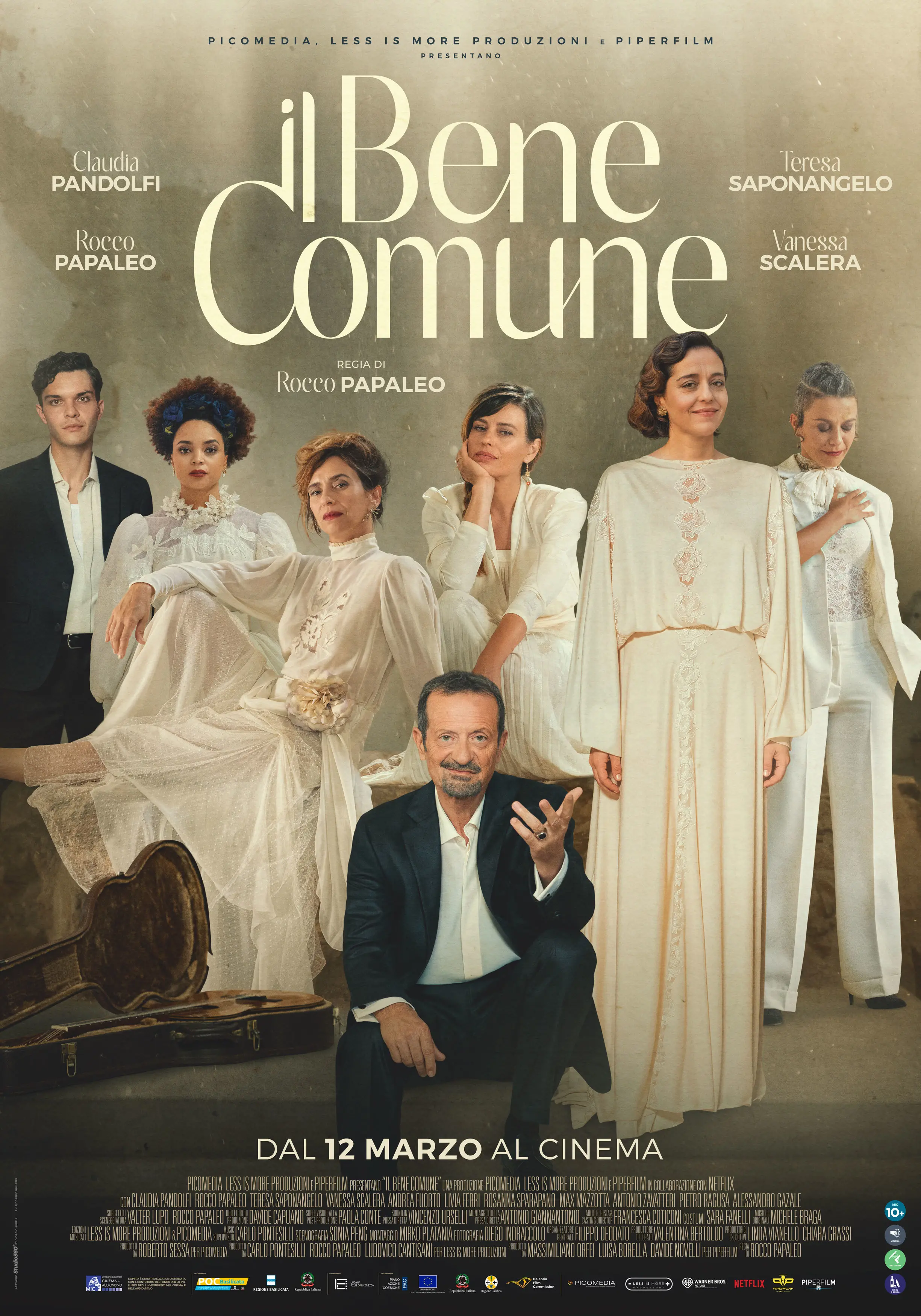
Picomedia, Less Is More Produzioni, PiperFilm
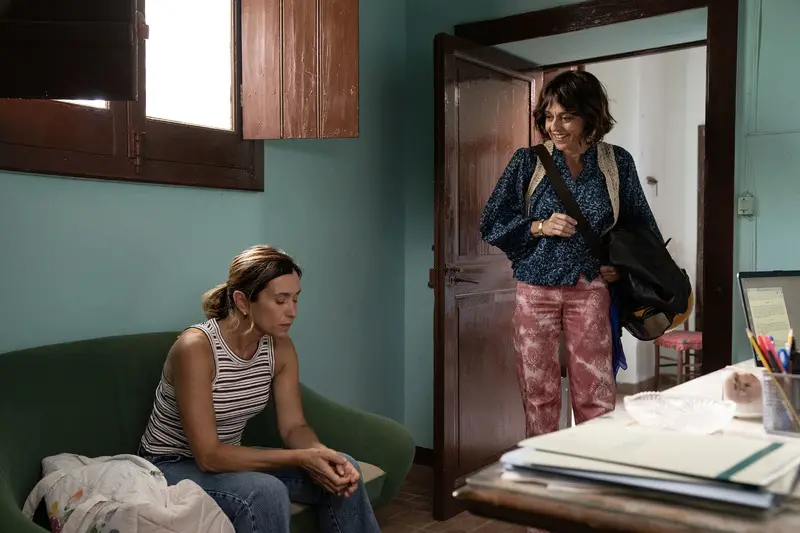
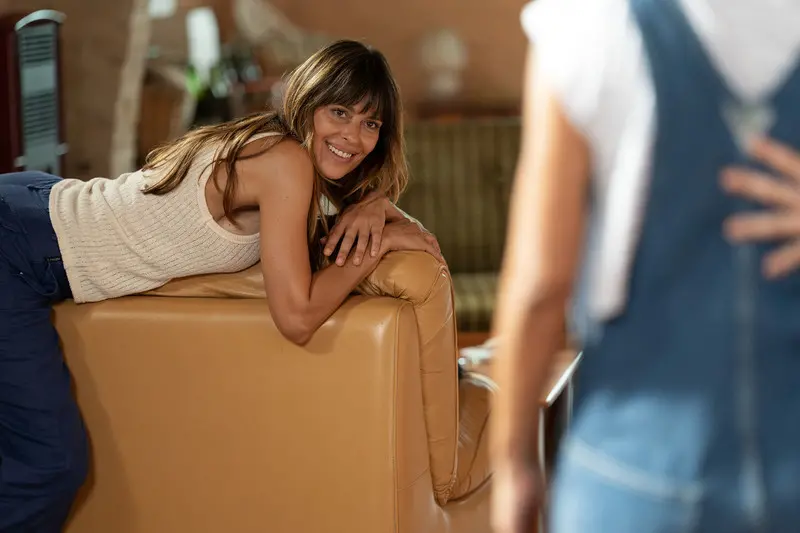
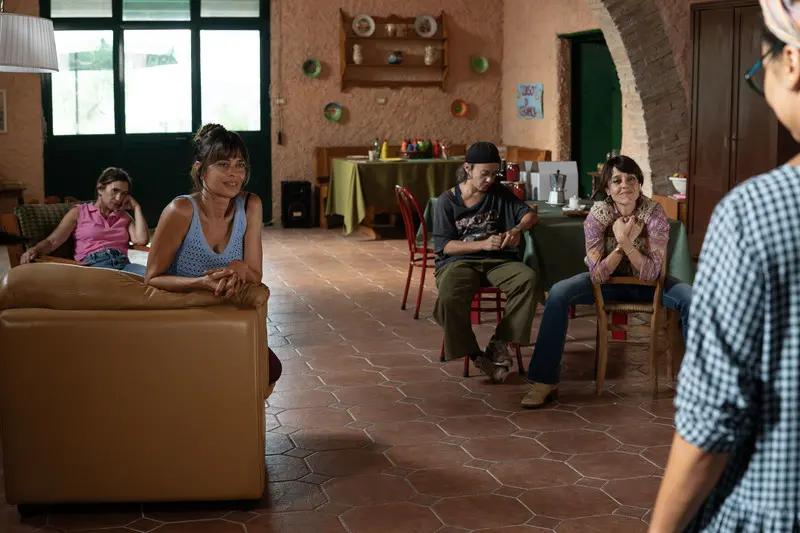
A tour guide and a ‘resting’ actress accompany four prisoners across the Pollino massif, in search of the centuries-old Bosnian pine, a symbol of resilience. The trip quickly develops into a process of transformation, fuelled by encounters and changes and punctuated by a music that takes shape step by step, becoming a collective voice that brings together diverse bodies, emotions, and stories.
In a harsh and beautiful natural setting, characterised by unexpected solidarity, the fragments of complex lives emerge, as do open wounds and a profound need to be seen and heard. Talking, singing, and identifying lived experience becomes a way to release tension and rediscover a sense of belonging, at least until an unexpected event calls everything into question. Sharing one's story can often be the first step toward something bigger.