Caravaggio sullo schermo tra location ed evocazioni - prima parte
ARTE E LOCATION – Il CINEMA NEI DETTAGLI
La mostra Caravaggio 2025 che si sta concludendo a Palazzo Barberini (7 marzo – 6 luglio 2025, prorogata fino al 20 luglio 2025) ha di nuovo portato il nome del pittore lombardo all’attenzione del grande pubblico, anche se negli ultimi decenni, va detto, non è mai scemato l’interesse per l'artista, troppo spesso urlato ai quattro venti, pur se poi presente in minima parte nelle esposizioni, una cosa ancora più insensata in una città come Roma, che conserva più opere caravaggesche di ogni altra al mondo, spesso anche nei contesti originari, come le chiese di San Luigi dei Francesi, di Sant'Agostino e di Santa Maria del Popolo.
Questa mostra, invece, ha avuto il merito di fare il punto della situazione, esponendo solo dipinti attribuiti a Caravaggio, ben 24, su alcuni dei quali è naturalmente ancora aperto il dibattito, ma evitando il facile gioco di affastellare le sale con confronti non sempre puntuali, riempitivi visti in innumerevoli occasioni.
Dato il focus di questa rubrica, il pensiero è andato subito alle pellicole e alle serie tv in cui i luoghi di Caravaggio o persino evocazioni del “fenomeno Caravaggio” sono state protagoniste.

In mostra la prima versione del dipinto oggi di proprietà Odescalchi
Tralasceremo, però, gli inevitabili riferimenti ai dipinti che, nelle opere che hanno raccontato la vita del pittore, il più delle volte sono stati inseriti nella finzione scenica durante il loro processo creativo, su un cavalletto nella casa o nello studio del pittore o appesi in casa dei committenti, comunque lontano dai musei o dalle chiese che oggi ci evocano. E questo vale per lo sceneggiato RAI diretto da Silverio Blasi nel 1967, con Gian Maria Volontè e Carla Gravina, o il capolavoro di Derek Jarman (1986), fino alla miniserie Rai del 2008, con la regia di Angelo Longoni e con protagonista Alessio Boni, tutti intitolati Caravaggio. L’ultimo è stato il film di Michele Placido, L'ombra di Caravaggio (2022), con Riccardo Scamarcio nei panni del pittore lombardo.
Vanno quindi cercate altrove le location caravaggesche utilizzate nel cinema.
Caravaggio nella serie tv Ripley
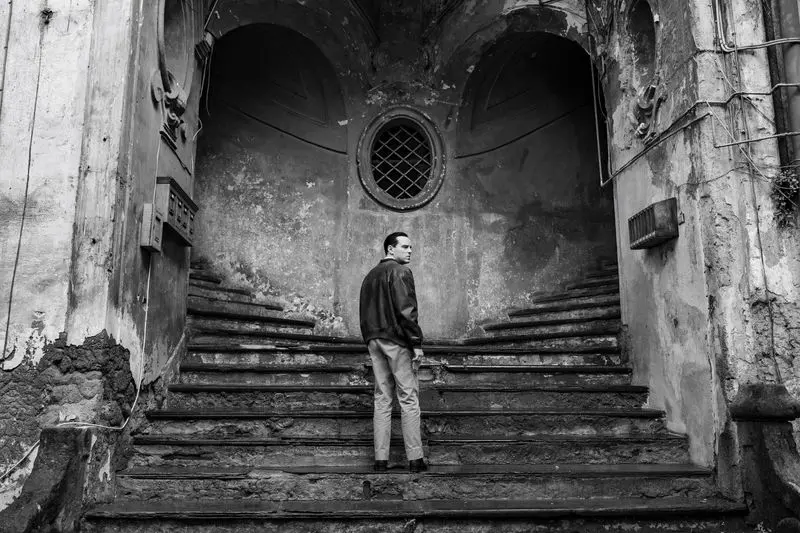
La più recente è stata la serie tv di Steven Zaillian Ripley (2024), appena premiata all'Ischia Film Festival con il Premio Italy For Movies e tratta dal romanzo del 1955 di Patricia Highsmith, Il talento di Mr Ripley, che Anthony Minghella aveva adattato per il cinema nel 1999 e ancora prima René Clément (Plein soleil - Delitto in pieno sole, 1960).
Nella serie in otto puntate trasmessa da Netflix, che ha tanti rimandi storico artistici (Picasso e Raffaello i più evidenti dopo Caravaggio), il protagonista Tom Ripley (Andrew Scott) è un pittore che ha una gran passione per il maestro lombardo.
È lo stesso romanzo a collegare idealmente la vita del protagonista, ladro d'identità e per questo costantemente in viaggio, con quella tormentata e, dopo l'omicidio di Ranuccio Tomassoni, in fuga, di Caravaggio. Così, nel quarto episodio, ambientato a Roma e intitolato La dolce vita, Tom va a vedere le Storie di san Matteo, realizzate per Mathieu Cointrel (1599-1600), nella cappella meglio nota nella versione italianizzata del cognome, Contarelli. A un occhio attento, però, il contesto stona, perché i dipinti non sono nell’ultima cappella a sinistra dell’edificio romano, bensì nell’ultima a destra di Santa Maria la Nova a Napoli, creando un certo disorientamento.
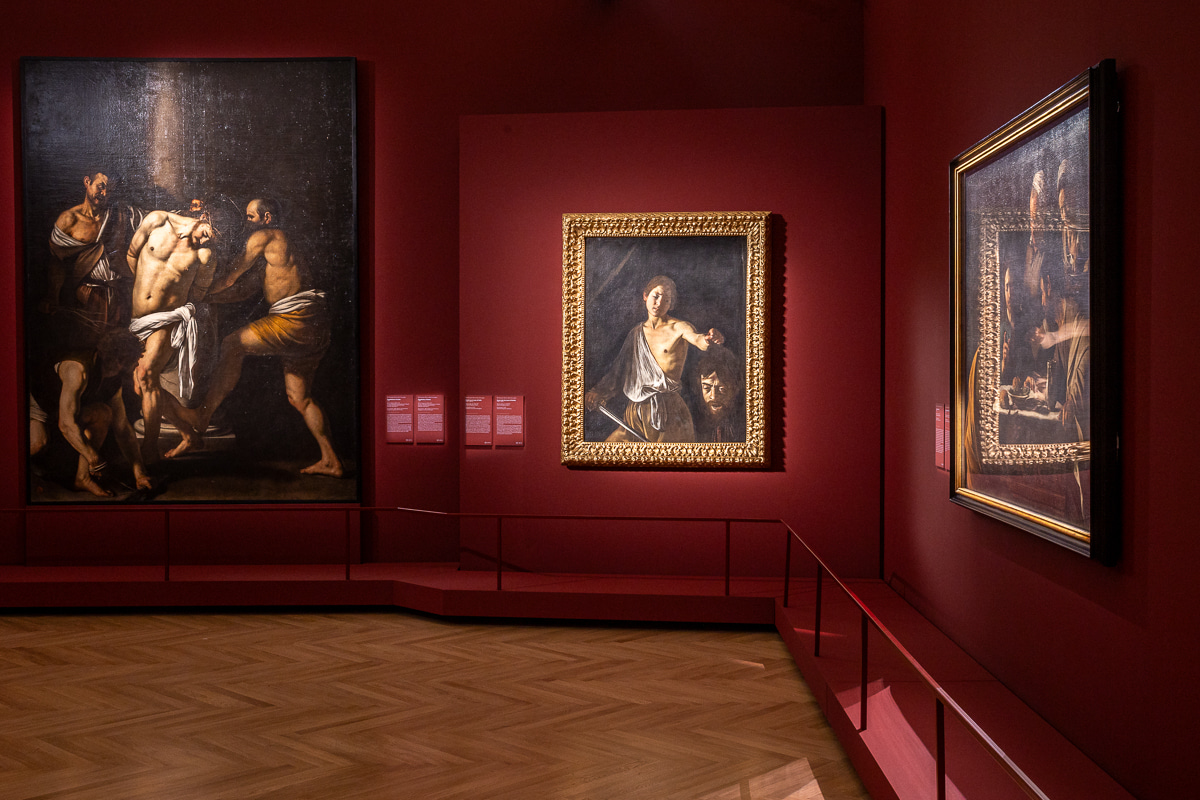
della mostra © Alberto Novelli & Alessio Panunzi
Ed è altrettanto straniante, pochi minuti dopo nella stessa puntata, vedere Tom ascoltare le parole di una guida davanti al David con la testa di Golia della Galleria Borghese, in una sala in cui si vede anche l’Apollo e Dafne di Bernini, altro capolavoro della collezione di Scipione Borghese, anche se l’ambiente che vediamo non è quello del casino della villa romana, ma un altro palazzo in cui sono state collocate delle riproduzioni delle due opere, se non addirittura in un ambiente ricostruito in studio a Cinecittà.
I riferimenti a Caravaggio, a colui che per dirla con Bellori (1672) proprio in quei due anni a cavallo tra i due secoli “cominciò ad ingagliardire gli oscuri”, sono però anche un omaggio al pittore che costituisce un punto di riferimento per lo stesso Steven Zaillian e ancor di più per Robert Elswit, il direttore della fotografia della serie, premio Oscar per quel capolavoro assoluto che è Il Petroliere di Paul Thomas Anderson (2007).
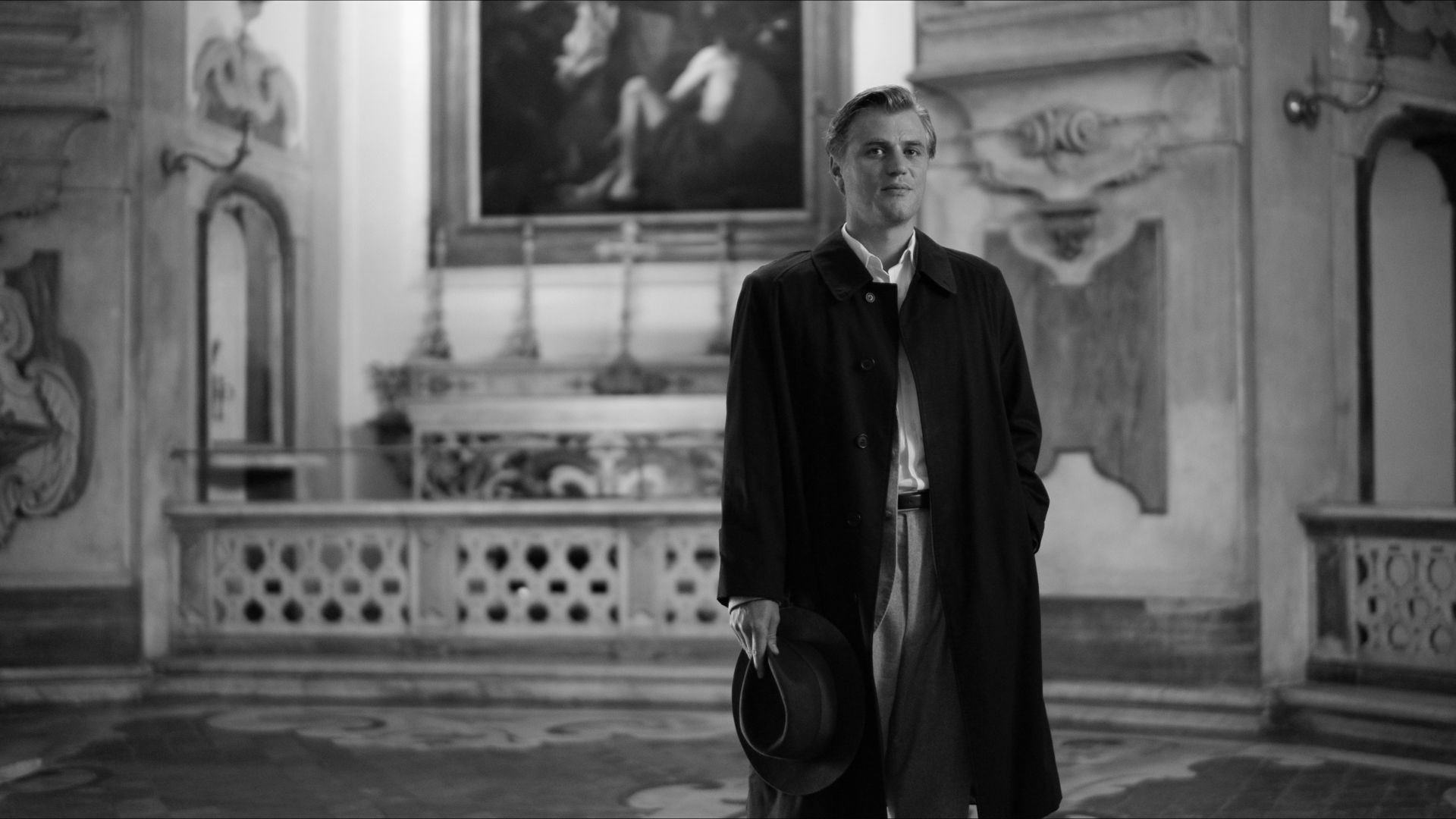
La liberazione di san Pietro di Battistello Caracciolo sullo sfondo - © Netflix
Più avanti, nel settimo episodio (Divertimento macabro), Ripley va a scovare Caravaggio anche in Sicilia, nell’Oratorio di San Lorenzo a Palermo, dove ancora una volta segna il nome del pittore nella sua guida, e vede la Natività con i santi Lorenzo e Francesco d’Assisi. Qui finzione e storia reale si intrecciano ancora di più, poiché la vicenda narrata è ambientata tra 1960 e 1961, cioè quando il dipinto era ancora sull’altare, prima del furto avvenuto nella notte tra il 17 e il 18 ottobre del 1969, dopo il quale non è stato più trovato. A tutt’oggi resta una delle dieci opere d’arte rubate più importanti al mondo nell’elenco stilato dall’FBI e, in una serie che racconta di un grande truffatore, quanto mai appropriata.
Va poi considerato che due delle otto puntate hanno titoli di opere caravaggesche: la seconda è Le sette opere di misericordia, e Dickie porta Tom a Napoli ad ammirare l’omonimo dipinto al Pio Monte della Misericordia di piazza Riario Sforza; l’ottava, invece, s’intitola Narcissus, possibile rimando alla tela di Galleria Spada, che resta uno dei grandi dubbi del catalogo caravaggesco (molti lo attribuiscono al romano Spadarino) ed esposto anche nell'esposizione di Palazzo Barberini. Oltre la suggestione del titolo, però, l’ultima puntata ci porta proprio alla notte del 28 maggio 1606 dell’omicidio di Ranuccio Tomassoni, da cui iniziò la fuga di Caravaggio. Qui le opere vengono mostrate come nei già citati film sul pittore. E così, prima vediamo nello studio dell’artista, dove le guardie vanno a cercarlo, la Crocifissione di san Pietro (1601) della cappella Cerasi di Santa Maria del Popolo, e poi la Madonna dei Palafrenieri (1606) della Galleria Borghese, ma in palazzo Colonna a Paliano. Il paese del basso Lazio segna l’inizio della peregrinazione del pittore, che lì e negli altri territori limitrofi fu ospite della duchessa Costanza Colonna, vedova di quel Francesco Sforza che, quando Michelangelo era solo un bambino, aveva suo padre, Fermo Merisi, a libro paga come muratore capomastro nel piccolo centro di Caravaggio.
Con l’ultima puntata, attraverso le immagini, l’ideale connessione voluta da Patricia Highsmith tra Tom Ripley e il grande pittore lombardo si è fatta totalizzante.
- Leggi la seconda parte dell'articolo
- Dove vedere i film citati:
Caravaggio - Silverio Blasi, 1967 (Raiplay)
Caravaggio - Derek Jarman, 1986 (Prime Video)
L'ombra di Caravaggio - Michele Placido, 2022 (Prime Video)
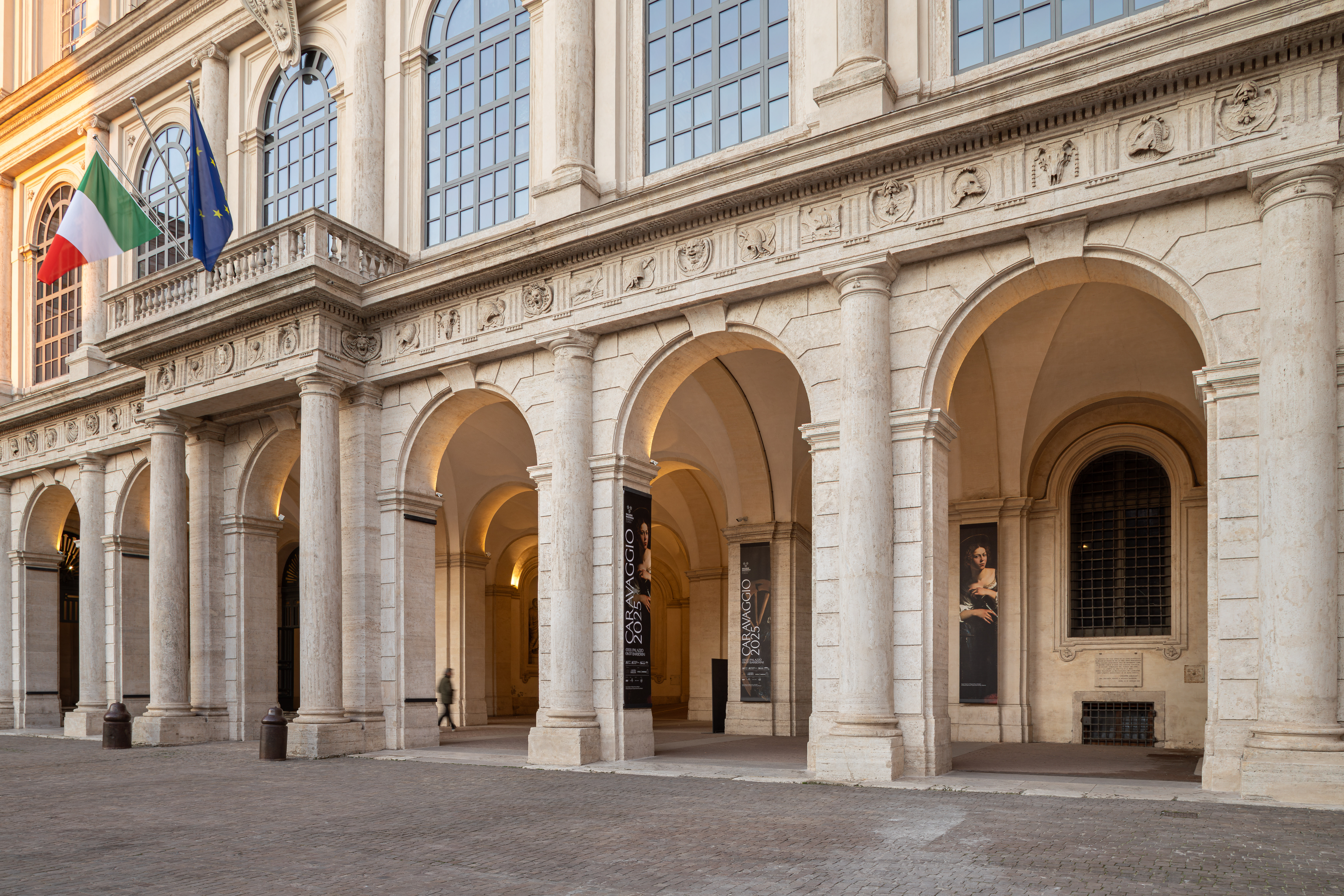
© Alberto Novelli & Alessio Panunzi