Samani: 'Un anno di scuola', racconto di formazione nella Trieste del 2007
VENEZIA - La città di Trieste sullo sfondo del racconto di formazione che intreccia memoria personale, riflessione identitaria e uno sguardo sul passato recente in cui si riconoscono i segni del cambiamento generazionale, Un anno di scuola, opera seconda di Laura Samani, al cinema dal 9 aprile con Lucky Red dopo essere stato presentato in Concorso a Orizzonti all'ultimo Festival del Cinema di Venezia. Un’opera che affonda le sue radici nella memoria personale della regista, liberamente ispirata al libro omonimo di Giani Stuparich pubblicato per la prima volta nel 1929. Il libro è ambientato nel liceo Dante di Trieste, lo stesso istituto che Samani ha frequentato nei primi anni del 2000. “È proprio tra quei banchi che l’ho letto per la prima volta - racconta - quando avevo l’età dei protagonisti”.
Una lettura giovanile che si è trasformata in ispirazione anni dopo, quasi per caso. Durante il primo lockdown, a casa dei genitori, ha ritrovato i volumi del liceo e ha deciso di rileggere quel romanzo. “Mi si è impigliato da qualche parte. Non avevamo ancora finito di girare Piccolo corpo che già capivo di voler fare un altro film”. Il legame con Piccolo corpo non si esaurisce qui. Samani spiega infatti come il nuovo film nasca anche da un bisogno di leggerezza dopo l’esperienza intensa e dolorosa del suo esordio: “Dopo Piccolo corpo, che è stato un film molto importante per me ma anche molto doloroso da realizzare, avevo bisogno di levità. Il modo migliore è stato lavorare con adolescenti: giovani uomini e una giovane donna, con cui potermi anche divertire, interrogandoci insieme su temi che nel film precedente non avevano trovato risposta”.
La regista spiega anche la scelta dell’ambientazione temporale: il 2007, l’anno in cui lei stessa aveva 19 anni. “All’inizio era quasi egoismo: per me avere diciannove anni significava averli nel 2007. Poi, insieme alla sceneggiatrice, ci siamo rese conto che era un momento particolare: l’ultimo anno prima dell’arrivo dei social in Italia e, per Trieste, l’anno dell’ingresso della Slovenia in Schengen. Era una città di confine che diventava città di transfrontalieri. C’erano sogni luminosi di Europa, forse un po’ diversi da quelli di oggi”.
Laura Samani: i miei luoghi del cuore a Trieste
Il film è stato girato prevalentemente all’I.S.I.S. Nautico “Tomaso di Savoia Duca di Genova – L. Galvani” di Trieste e in altre location della città e di Muggia. Riguardo il tono visivo Samani cita due riferimenti principali: “Un fotografo tedesco che amo molto, Josh Kern, che mi ha accompagnato anche nella scrittura, e un film francese, Les Périphériques”.
Le location hanno avuto un ruolo determinante: “È un film ambientato nel 2007, quindi quasi in costume. Molti edifici di Trieste, nel frattempo, sono stati rifatti, con facciate nuove e colori accesi, rischiavamo di non trovare più i luoghi giusti. Abbiamo evitato scenari troppo modernizzati". Tra i posti più cari, Samani ricorda la zona delle antenne di Conconello: “È il luogo del primo appuntamento tra Antero e Fred. Ma anche del mio primo appuntamento con mio marito”.
L'asimmetria nella percezione dei corpi di uomini e donne
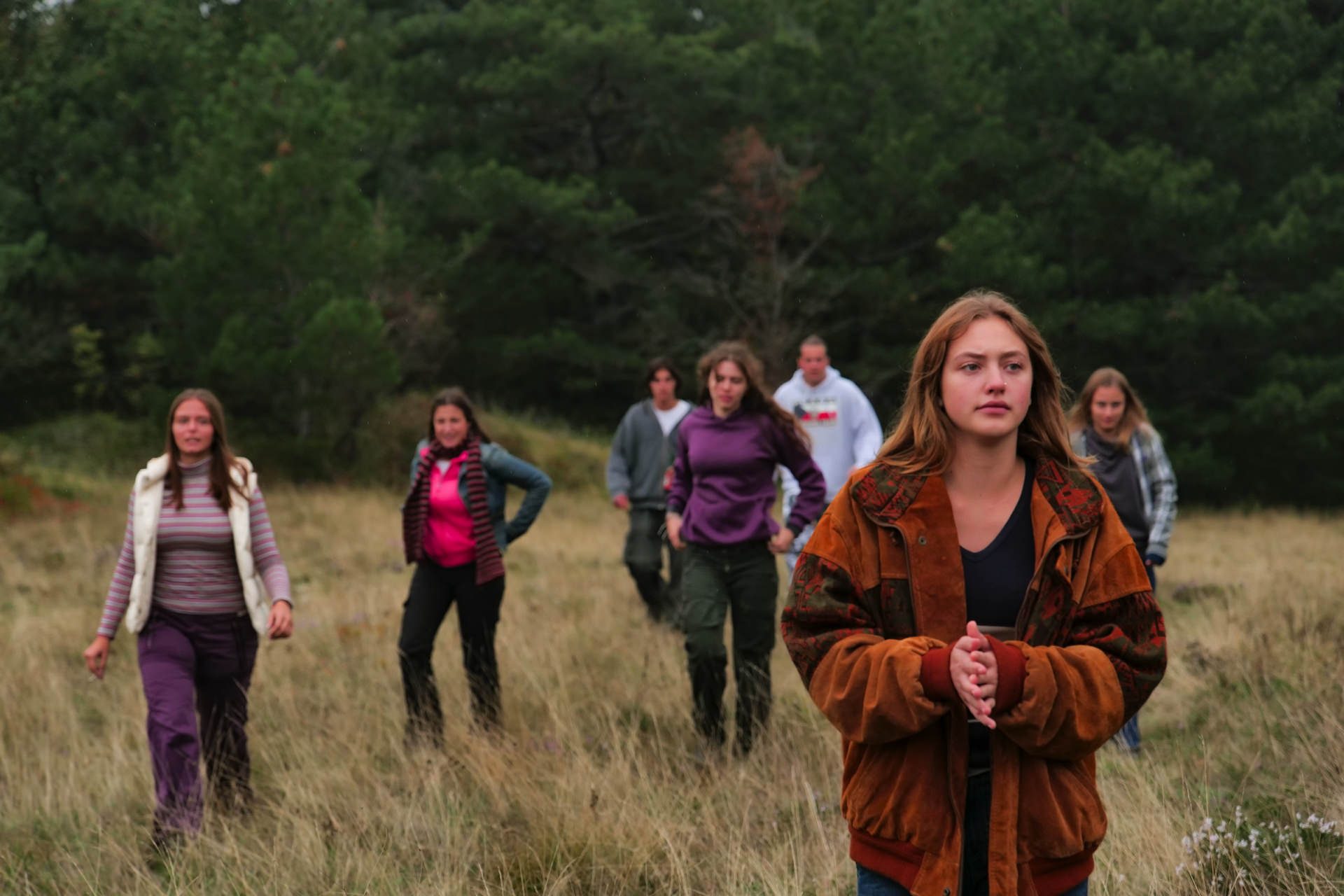
Il film racconta l’arrivo di Fred, una diciottenne svedese, in una classe di soli maschi per il suo ultimo anno di superiori. La ragazza catalizza l’attenzione di tutti, in particolare quella di tre amici: Antero, affascinante e riservato; Pasini, seduttore istrionico; Mitis, bonaccione sarcastico. L’arrivo di Fred mette a dura prova la loro amicizia. Mentre ognuno dei ragazzi la desidera segretamente per sé, Fred vuole essere ammessa nel gruppo, ma le viene chiesto continuamente di sacrificare qualcosa di sé per diventare una di loro.
Questo film racconta le sfide di crescere come giovane donna in un mondo dominato dagli uomini, dove il corpo e i desideri possono facilmente diventare armi rivolte contro di te, sottolinea Samani.“Esiste un’asimmetria profonda e radicata nel modo in cui percepiamo uomini e donne. I corpi maschili - nella loro conformazione, andatura e abbigliamento - trasmettono potere e capacità, mentre quelli femminili comunicano ciò che si può o non si può fare loro”, sottolinea Laura Samani, Questa percezione finisce spesso per diventare una regola sociale: gli uomini agiscono, le donne semplicemente appaiono”.
La lingua come arma di potere
Nel romanzo di Stuparich il personaggio 'altro' era una ragazza viennese; Samani ha scelto di trasformarla in Fred, una studentessa svedese: “Ambientando la storia nel 2007 non sarebbe stato credibile riprendere quella dinamica. Così abbiamo deciso di rendere la protagonista straniera, sia per un fascino esotico – tra adolescenti l’arrivo della svedese produce un certo effetto – sia per un motivo più semplice e diretto: la lingua. Uomini e donne non parlano la stessa lingua. Volevamo mostrare come la lingua potesse diventare recinto, arma di potere sull’altro”.
Emblematica la scena in cui Antero e Fred litigano: lui resta sull’italiano, lei passa all’inglese, fino a ribaltare i ruoli con una battuta tagliente: “Allora parliamo in svedese. Perché devo sempre avvicinarmi io a te, e mai tu a me?”.
Prodotto da Nadia Trevisan e Alberto Fasulo per Nefertiti Film con Rai Cinema, e coprodotto da Thomas Lambert per Tomsa Films con ARTE Cinema France, Un anno di scuola è distribuito in Italia da Lucky Red.
La produzione ha avuto il supporto organizzativo e il contributo della Friuli Venezia Giulia Film Commission-PromoTurismoFVG e il sostegno di Eurimages, MIC – Direzione Generale Cinema e Audiovisivo, Fondo per l’Audiovisivo del Friuli Venezia Giulia, CNC, Île-de-France e Creative Europe Media.