'Tre ciotole' e Trastevere
ARTE E LOCATION: IL CINEMA NEI DETTAGLI
Il film della regista catalana Isabel Coixet, tratto dall’omonimo libro di Michela Murgia (2023), è un’occasione perfetta per ripercorrere i luoghi di Roma in cui i protagonisti passeggiano, si ritrovano o semplicemente ricordano.
In Tre ciotole, infatti, tutto rimanda alla città, ovviamente quello che accade, che si svolge perlopiù a Trastevere, ma anche quello che è accaduto nel tempo esterno alla storia narrata, in un evocativo flashback visivo che costituisce per questa rubrica una fonte d’ispirazione perfetta.
Iniziamo la nostra potenziale passeggiata da viale Trastevere, dov’è l’appartamento di Marta, interpretata da Alba Rohrwacher, in cui nelle prime sequenze vive ancora Antonio, nei cui panni recita Elio Germano, che dopo la rottura andrà via da lì.
L’abitazione è di fronte piazza Mastai, il grande slargo ottocentesco intitolato a papa Pio IX, che vi fece costruire l’enorme mole del Palazzo della Manifattura Pontificia dei Tabacchi (1860-1863), che le fa da sfondo sul lato opposto di viale Trastevere. L’edificio classicheggiante, con tanto di timpano e colonne addossate alla facciata - su cui campeggiano lo stemma di Pio IX, della Camera Apostolica e dell’allora Ministro delle Finanze dello Stato Pontificio, il domenicano Giuseppe Ferrari - è un progetto dell’architetto emiliano Antonio Sarti (1797-1880).
Nel film, però, questo lato del quartiere lo vediamo rapidamente e solo dal balcone dell’appartamento, mentre in più frangenti viene inquadrata la zona posta sull’altro versante della via principale. Lì, infatti, oltre al portone da cui entra Marta, in una scena vediamo la stessa Rohrwacher, in bicicletta, passare nella limitrofa via di San Gallicano, davanti all’omonimo ospedale, voluto da papa Benedetto XIII Orsini (1724-1730) per il Giubileo del 1725, ma poi completato l’anno seguente. L’architetto in questo caso fu il ben più famoso – non ce ne voglia Sarti – Filippo Raguzzini (1690-1771), napoletano che a Roma divenne il massimo rappresentante del Rococò. Fu lui, infatti, a progettare soprattutto la scenografica piazza di Sant’Ignazio con i cinque palazzetti di fronte l’omonima chiesa, disposti come in una quinta teatrale, nati per gli uffici dell’amministrazione napoleonica, i bureaux, che a Roma valsero al luogo il toponimo di Burrò o Burò, oggi sede del Comando carabinieri per la tutela del patrimonio culturale.
Il complesso dell’ospedale di San Gallicano, invece, venne ideato in maniera più tradizionale, con due grandi corsie longitudinali alte nove metri e una chiesa a croce greca annessa. Raguzzini, però, diede sfogo al suo stile nella facciata di quest’ultima, concavo-convessa e decisamente tardobarocca - a conferma della totale influenza di Borromini su di lui - e in special modo nei motivi decorativi esterni, che infatti intravediamo anche in Tre ciotole.
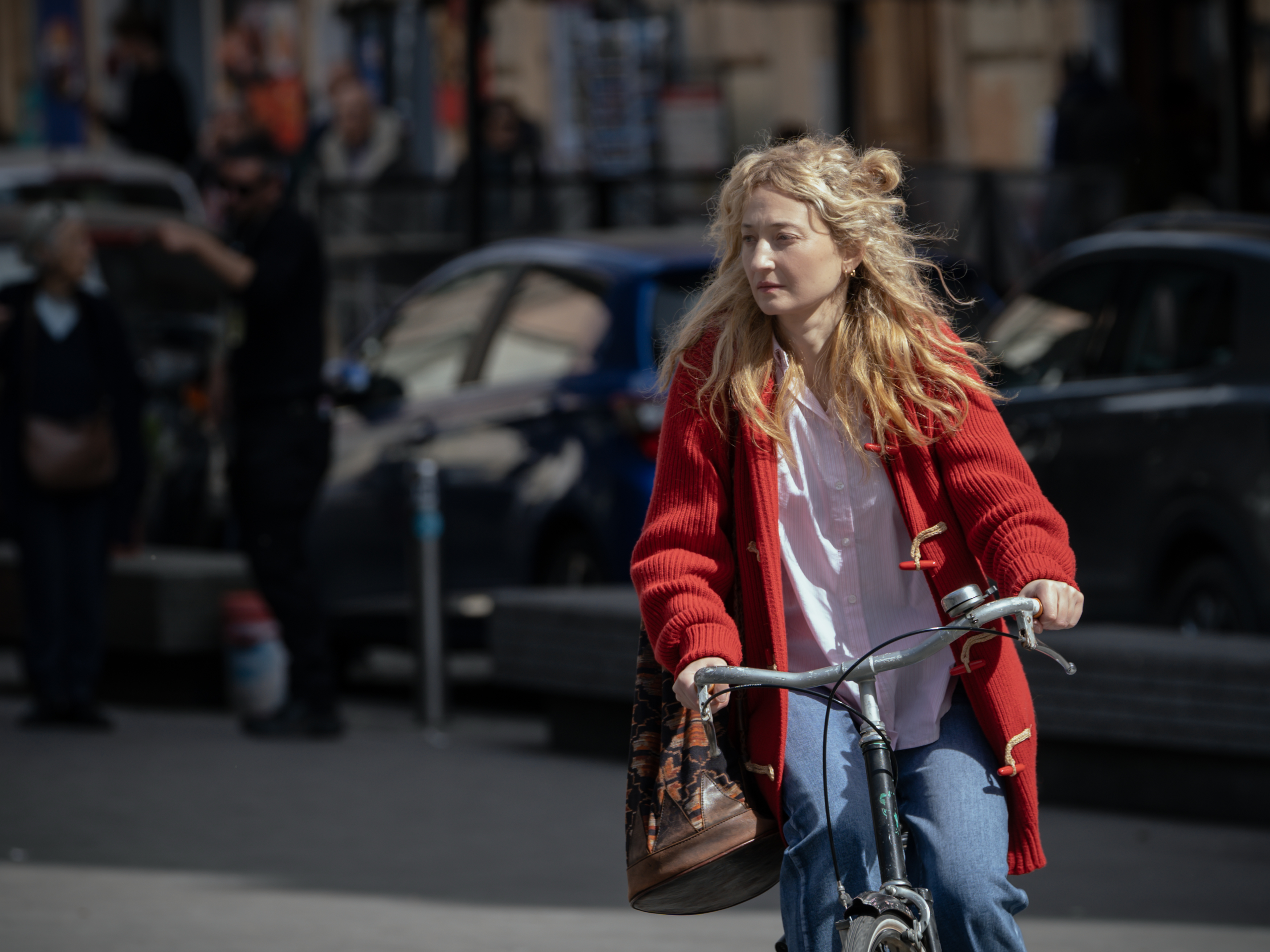
Marta in bicicletta per il rione - © Greta De Lazzaris
Sempre in quella zona, all'incrocio tra via Cardinale Merry del Val e via di San Francesco a Ripa, Marta incontra Silvia (Galatea Bellugi), la collega e amica di Antonio, con cui poi si ferma a parlare in un locale limitrofo. Proprio in quella via, fino a pochi anni fa, esisteva il cinema Alcazar, una delle tante sale di Roma che ha chiuso i battenti nel gennaio 2016.
E a proposito di cinefilia e sale cinematografiche, Marta percorre in bicicletta anche la piattaforma del Porto di Ripa Grande, di fronte al San Michele, dove nel finale del bellissimo Risate di gioia (Monicelli 1960) passeggiavano Totò e Anna Magnani, e di lì, a un passo, via di Porta Portese all’altezza di largo Ascianghi, dove vediamo anche il morettiano Nuovo Sacher. Di fronte a questo, inoltre, vengono utilizzati anche gli spazi dell'ex Casa della Gioventù Italiana del Littorio di Trastevere, opera di Luigi Moretti, in cui Marta ed Elisa parlano di relazioni e tradimenti durante l’inaugurazione di una mostra di arte contemporanea.
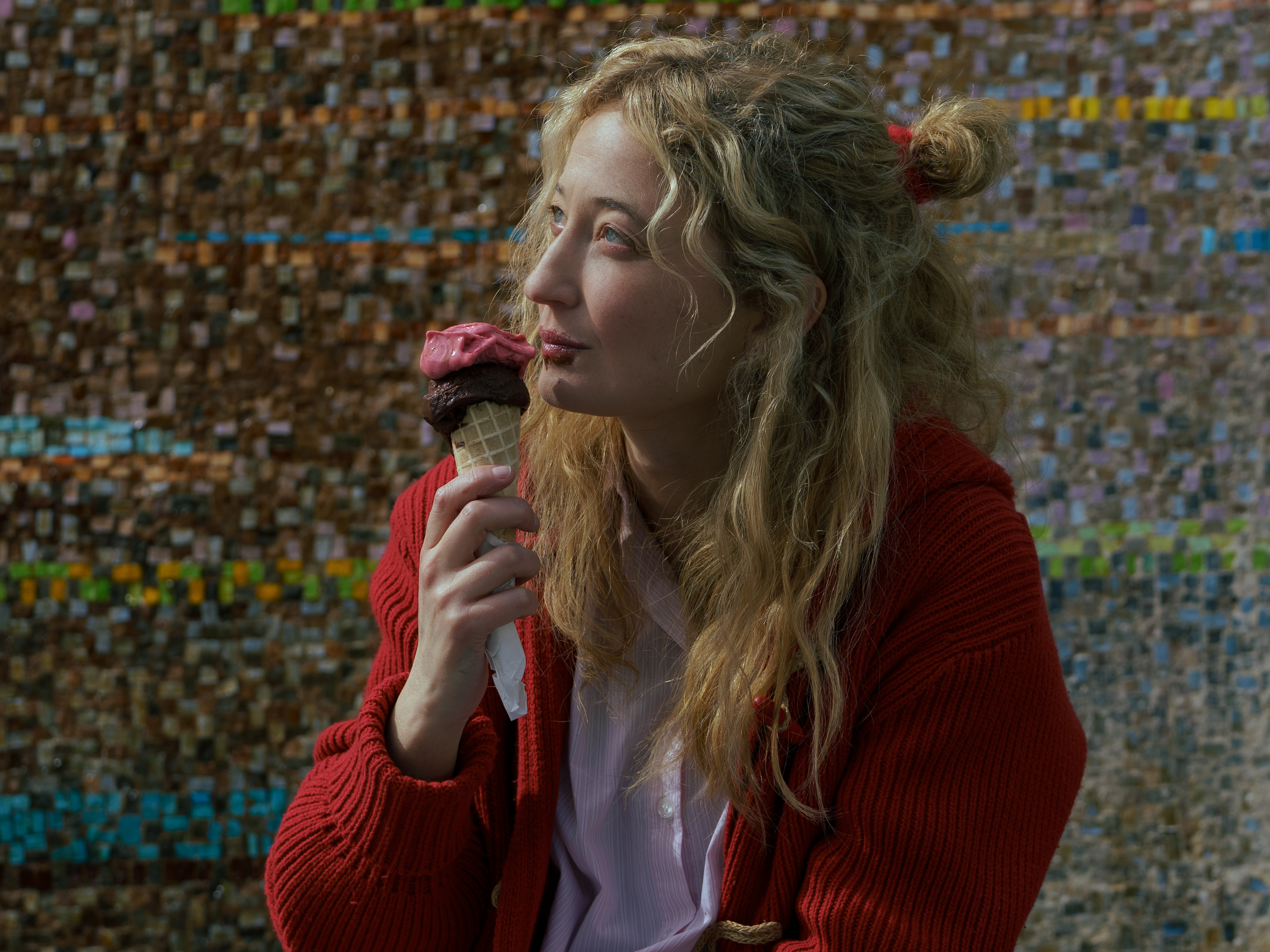
Infine, sempre a Trastevere, dove c’è anche il locale dove Marta e Antonio si sono conosciuti, “L’antico supplì” (immaginario ma così vicino a un posto reale su via di San Francesco a Ripa), Marta riscopre la gioia delle piccole cose mangiando un gelato e sedendosi, poi, di fronte al protiro medievale della chiesa che dà il nome a piazza San Cosimato. Dietro di lei, a far da sfondo alla scena, la Fontana del tuffatore col mosaico di Silvia Codignola (2006), che rimanda iconograficamente al celeberrimo affresco di Paestum e, in quel contesto, alle terme romane che erano un tempo in quell’area di Trastevere.
Altro sul film:
- La seconda parte sul film di Arte e Location
- La scheda di IFM
- 'Tre ciotole', una Roma inconsueta dal racconto di Michela Murgia, di Vania Amitrano