'Tre ciotole' tra ricordi e percorsi romani
ARTE E LOCATION: IL CINEMA NEI DETTAGLI
Nella trama di Tre ciotole, a partire dal libro di Michela Murgia (2023) di cui il film costituisce un adattamento, i luoghi sono molto importanti anche come ricordi di una relazione che finisce. Il tema della riappropriazione di quegli spazi è forte ed è determinante per tornare a vivere la propria città in cui si è condiviso ogni angolo con la persona da cui ci si è separati.
Silvia (Galatea Bellugi) è la giovane collega che aiuta in questo Antonio (Elio Germano), accompagnandolo in giro per Roma in quei luoghi con tanto di mappa della città al seguito.
Allo stesso tempo, anche Marta (Alba Rohrwacher) pensa a Roma, quando ne descrive le caratteristiche dal suo punto di vista al cartonato di Jirko, cantante pop coreano che diventa per lei una sorta di amico/compagno immaginario.
Oltre le orwelliane "madonne che ti guardano ovunque", dagli incroci e dai cantoni dei palazzi in cui sono collocate le loro edicole, il montaggio che descrive per immagini quello che dice Marta ci mostra anche la fontana del Mascherone di via Giulia.
Le prime a Roma prendono il nome popolare di “Madonnelle”, evoluzione cristiana dei Lares Compitales dell’antica Roma, divinità d’origine etrusca che proteggevano gli incroci. Oggi in città ne restano circa cinquecento di ogni tipo, a mosaico, dipinte a fresco, a olio, scolpite nel marmo o modellate in terracotta, spesso circondate da ex voto dei fedeli, che un tempo ne curavano l’illuminazione, ovviamente nel Novecento passata dalle candele alle lampadine elettriche. La maggior parte è realizzata tra XVII e XIX secolo, ma la più famosa e antica è la cosiddetta Imago Pontis, su via dei Coronari, risalente al 1523, progettata da Antonio da Sangallo il Giovane, dipinta da Perin del Vaga e persino citata da Giorgio Vasari nelle Vite (1568).
La bella fontana del Mascherone, invece, è a metà di una delle più belle vie della città, via Giulia, che deve il suo nome a Giulio II della Rovere (1503-1513) che con essa collegò ponte Sisto alla zona di ponte Sant’Angelo. La fontana, forse già ideata a fine ‘500, viene attribuita a Girolamo Rainaldi e fu attivata nel 1626, dopo il restauro dell’Acqua Paola promosso da Paolo V Borghese (1605-1621), quando ovviamente come fondale non aveva il postunitario muraglione del lungotevere ma le acque del Tevere. Mentre il mascherone dagli occhi sbarrati e la vasca in granito sono d’epoca romana, il giglio in alto è relativo alla committenza della famiglia Farnese, dominatrice incontrastata della zona con l’omonimo palazzo oggi sede dell’ambasciata di Francia.
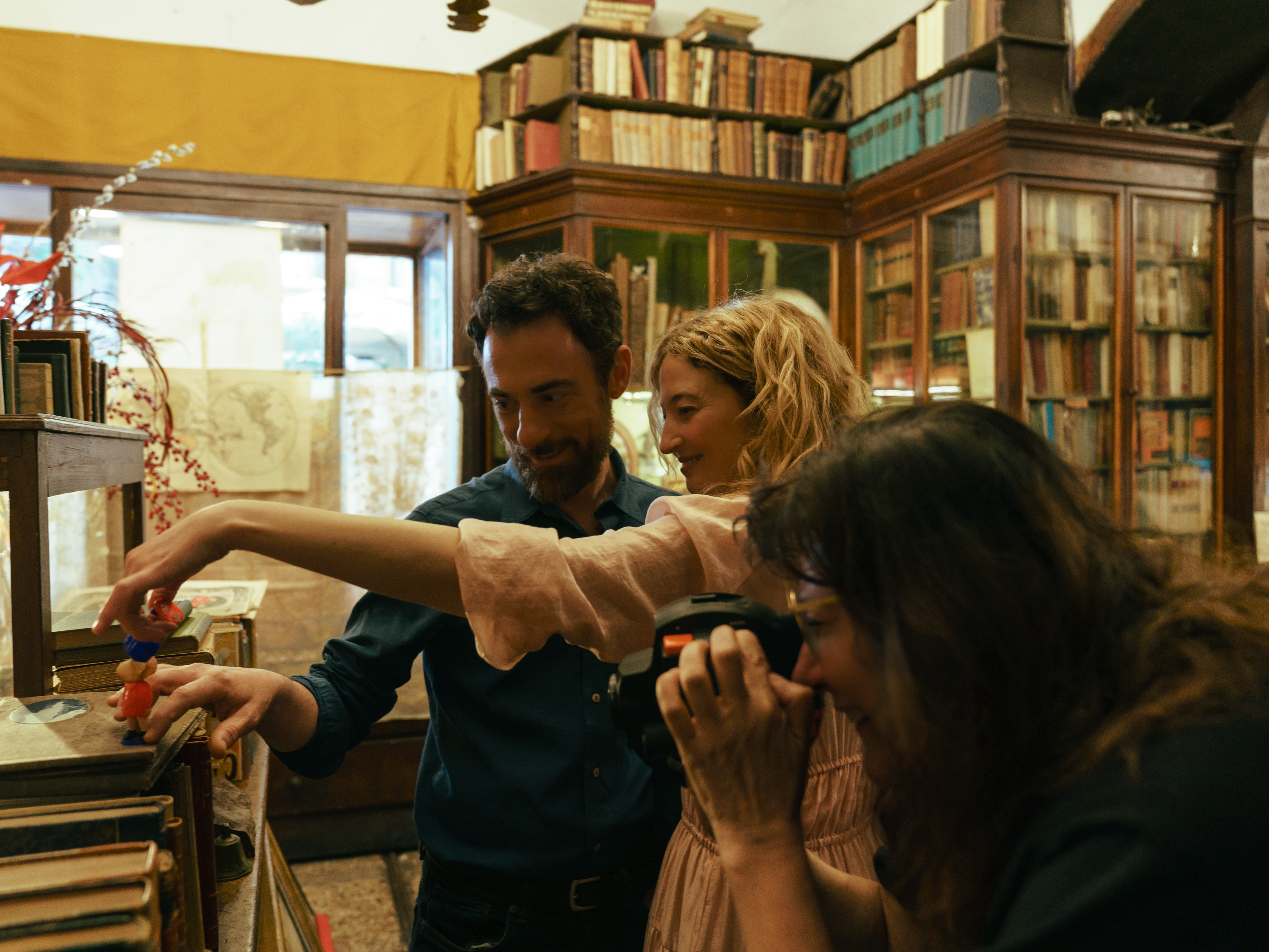
Tra i tanti luoghi in cui Silvia accompagna Antonio, invece, vediamo locali storici, come l’Antica Libreria Cascianelli in Largo Febo, a un passo da piazza Navona, e anche il Biondo Tevere, il ristorante su via Ostiense diventato macabramente famoso nel 1975, quando ospitò Pier Paolo Pasolini e Pino Pelosi poco prima dell’assassinio del poeta e regista friulano, ma che già era stata location per un grandissimo film come Bellissima di Luchino Visconti (1950).
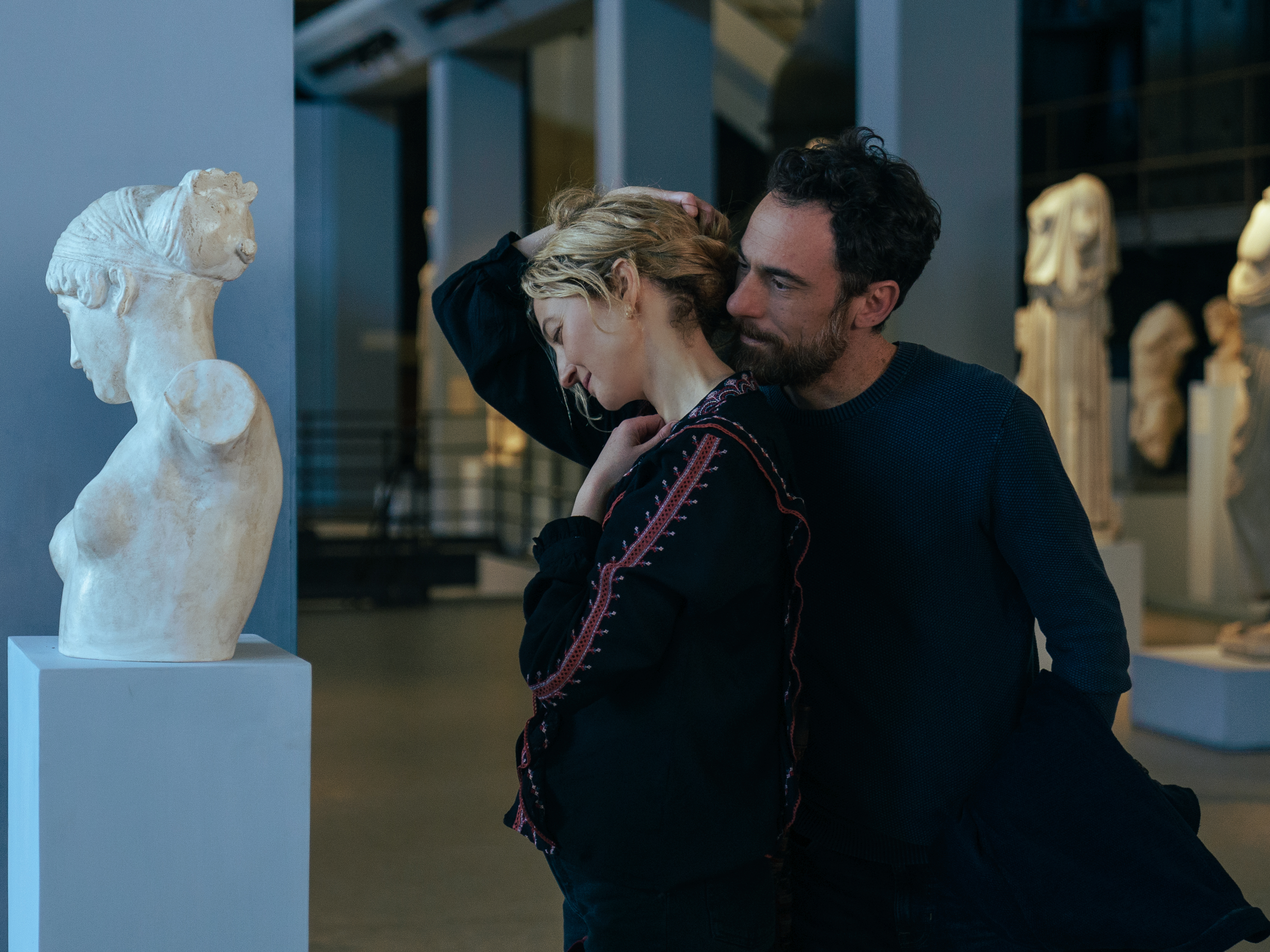
Sulla stessa via Ostiense, nella cui zona in una ripresa vediamo anche il Gazometro, installato tra 1935 e 1937 dalla società genovese Ansaldo per illuminare Roma, è anche il Museo della Centrale Montemartini, dove Antonio torna con Silvia, ma in cui ha ricordi romantici con Marta. Proprio lì, infatti, nella grande Sala Macchine - al primo piano dell’istituzione fondata nel 2001, che ha nell’allestimento di opere dell’antichità all’interno di una centrale idroelettrica del 1912 il suo carattere identitario -, nei ricordi della coppia rimane indelebile il momento in cui Antonio ha scattato una foto sistemando i capelli di Marta nello stesso modo di un busto del museo (in realtà un gesso di scena).
Il Tevere, infine, già citato per l’intero rione Trastevere nella prima parte di questo approfondimento (leggi) e per la Fontana del Mascherone e il Biondo Tevere in questa seconda parte, compare ancora con il Ponte Rotto, il celebre e sfortunato ponte Emilio (III a.C.) che, dopo varie ricostruzioni, fu restaurato ancora una volta all’epoca di Gregorio XIII Boncompagni tra 1573 e 1575, come dimostra la presenza del drago senza coda del suo stemma papale, ma rimase “rotto” dopo la grande alluvione del 24 dicembre 1598.
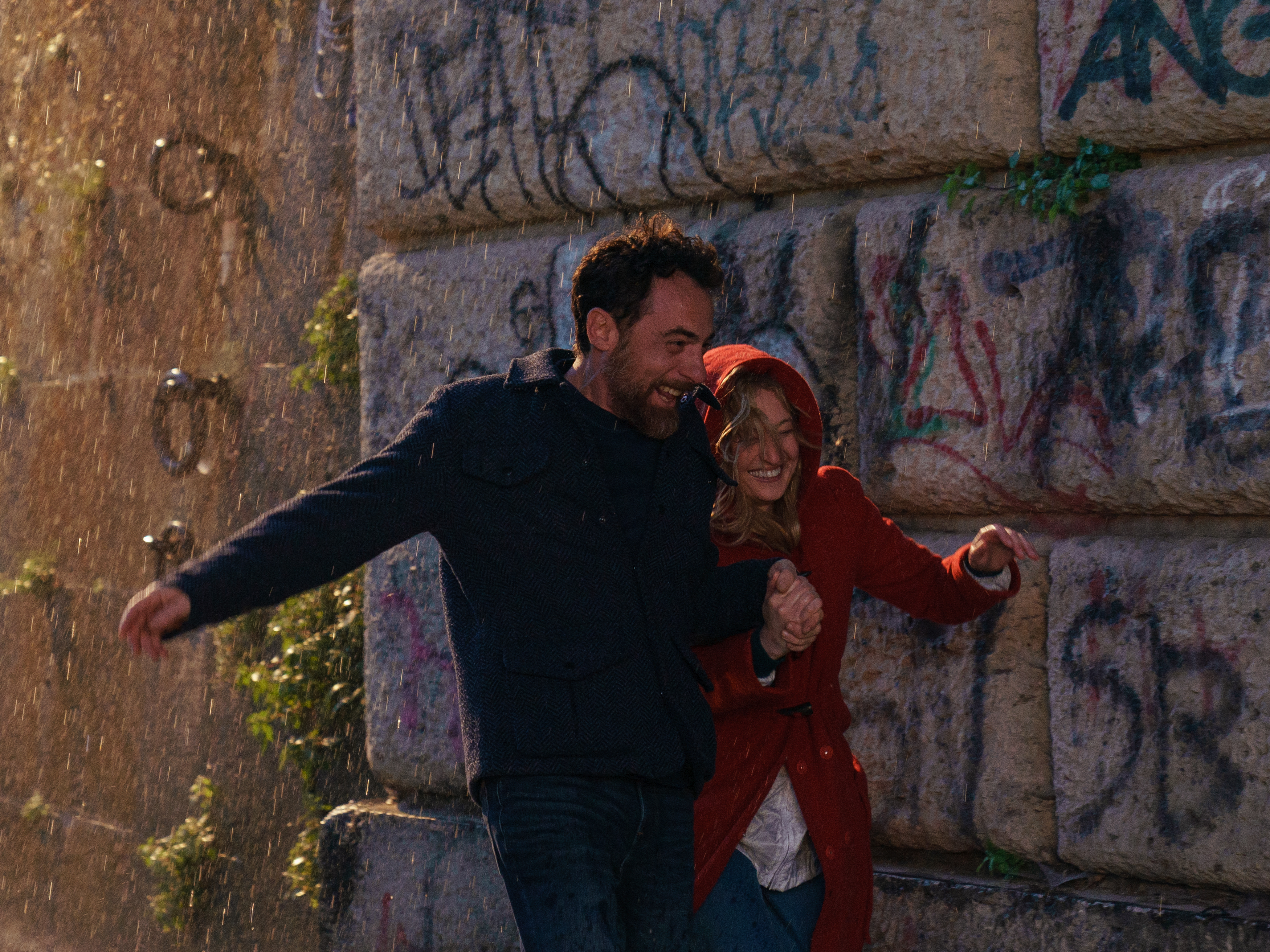
A pochi passi dal Ponte, infine, Antonio e Marta si incontrano di nuovo, nell’abbraccio più intenso del film, sulla banchina del fiume all’altezza dell’Isola Tiberina, l’isola tra i due ponti su cui dal 292 a.C. fu costruito il tempio di Esculapio, dio della medicina, in una vocazione che il luogo ha mantenuto anche in età moderna, quando nel 1583 vi è stato fondato il Fatebenefratelli dai seguaci di san Giovanni di Dio, poi reso un ospedale moderno da Cesare Bazzani tra 1930 e 1934.
Altro sul film:
- 'Tre ciotole' e Trastevere - La prima parte sul film di Arte e Location
- La scheda delle location di Tre ciotole
- 'Tre ciotole', una Roma inconsueta dal racconto di Michela Murgia, di Vania Amitrano