Dario Argento tra l'arte rinascimentale e quella del Novecento
ARTE E LOCATION: IL CINEMA NEI DETTAGLI
Ogni discorso sul cinema di Dario Argento non può che partire con Profondo rosso (1975), indubbiamente il suo film più famoso, che coinvolge un cast d’eccezione con in testa David Hemmings, indimenticato Thomas di Blow-Up (Antonioni 1966), e Clara Calamai, diva degli anni ’40, tra peplum e telefoni bianchi e, soprattutto, protagonista di Ossessione (Visconti 1943), uno dei capolavori che segnarono l’origine del Neorealismo. La celeberrima colonna sonora dei Goblin, poi, ha sugellato il successo totale della pellicola che, a cinquant’anni suonati dalla sua uscita, è considerata un cult del genere horror.
Eppure Profondo rosso suggerisce un’ulteriore chiave di lettura, storico artistica, evidenziata da due momenti essenziali della sua trama. Il primo è rappresentato dalla sequenza in cui Marc (Hemmings) e Carlo (Gabriele Lavia) bevono e conversano in piazza C.L.N. a Torino, progettata da Marcello Piacentini nel 1935 e poi significativamente intitolata al Comitato di Liberazione Nazionale, costituito nel 1943 per liberare il paese dal fascismo. La famosa scena, che si chiude con l’urlo nella notte che segna l’inizio dell’intrigo del film e il successivo brindisi di Carlo, in preda ai fumi dell’alcol e vittima di un equivoco sonoro («brindo a te, vergine stuprata»), si svolge davanti al Blue bar, non solo inventato per il film, ma costruito in maniera effimera dalla scenografia, firmata da Giuseppe Bassan, tra le colonne del portico piacentiniano. La struttura del bar, bassa e caratterizzata da grandi vetrate, riprende il famosissimo dipinto di Edward Hopper Nighthawks (1942, Chicago, Art Institute), in italiano noto come I nottambuli, mai titolo più adatto per i due protagonisti che si ritrovano testimoni di un assassinio proprio perché in giro per la città nottetempo.
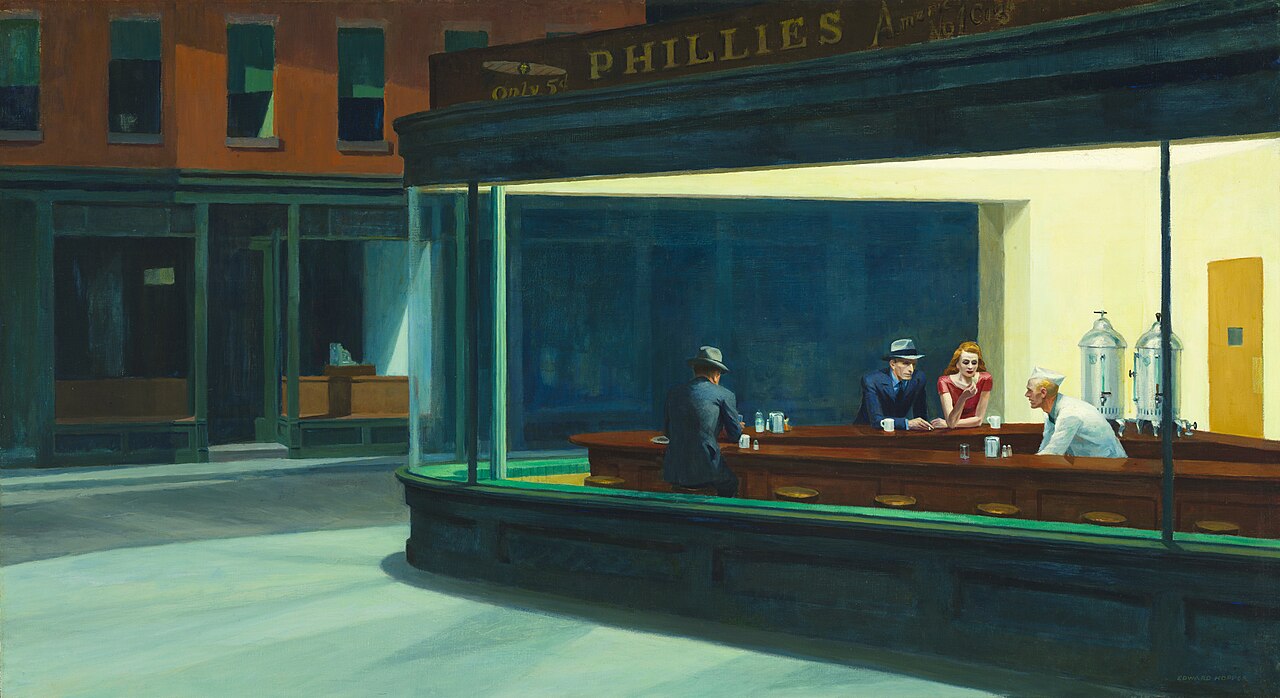
Chicago Art Institute - © Web Art Gallery
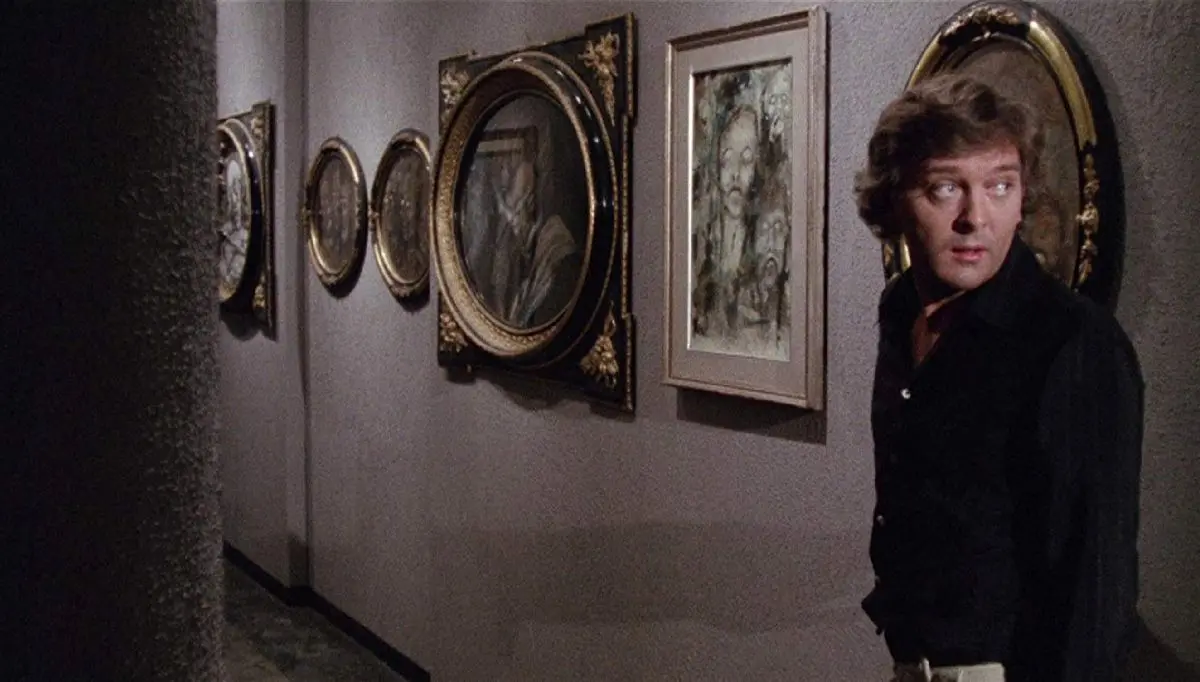
L’altra sequenza fondamentale, connessa alla pittura, è quella in cui Clara Calamai compare per un frammento di secondo, specchiata proprio nel vetro di un dipinto, e che vediamo due volte nel corso del film, con un’attenzione inevitabilmente diversa (vedi). Le tele appese, messe a incrostazione sulle strette pareti di uno dei corridoi più famosi della storia dell’horror italiano, sarebbero opera di Enrico Colombotto Rosso, pittore torinese che strizza l’occhio all'Edvard Munch espressionista che distorce i suoi soggetti (su tutti L’urlo, 1893), riversando sul riguardante l’angoscia e l’inquietudine del proprio io interiore. In realtà, però, sappiamo anche che l’accordo con l’artista, scomparso nel 2013, non andò in porto e Dario Argento chiese al pittore Francesco Bartoli di riprodurre quei dipinti cupi, raffiguranti volti umani deformati, partendo dalle foto degli originali.
Il regista romano, oltre vent’anni dopo, anche se con risultati filmici inferiori, è tornato alla storia dell’arte in maniera ben più preponderante, con La sindrome di Stendhal (1996), che sin dal titolo denuncia l’influenza del tema affrontato da questo approfondimento.
Nel film, il malessere psicosomatico che deve il nome all’esperienza personale dello scrittore francese che nel 1817 a Firenze provò forti emozioni di fronte alle opere d’arte, colpisce la poliziotta Anna, interpretata da Asia Argento.
L’intera sequenza iniziale potrebbe essere una lezione di storia dell’arte e di cinema (vedi). La protagonista, sin dall’inizio, passeggia per la città osservando le statue di Dante a Santa Croce (Enrico Pazzi, 1865), quella di Ercole e Caco di Baccio Bandinelli (1530-34) e il David di Michelangelo (1501-04) in piazza della Signoria, tutte inquadrate dal basso, incombenti, in maniera funzionale a fare da introduzione a un film del genere, tanto più accompagnate dalla musica saliente di Ennio Morricone.
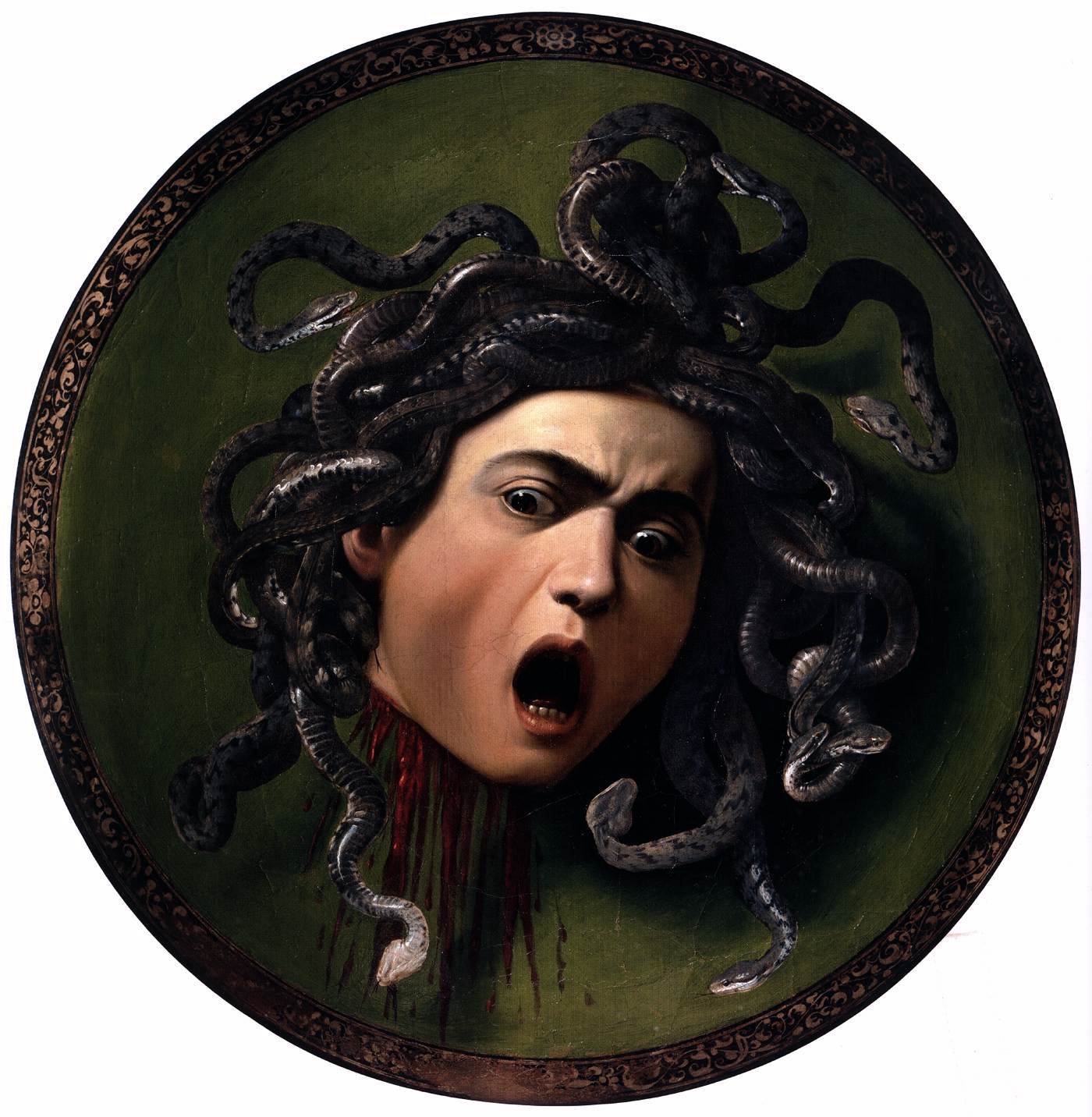
E così, con l’ingresso agli Uffizi, il turbamento della ragazza aumenta sempre di più e ad evidenziarlo ci pensano i controcampi tra il suo volto agitato e gli affondi della mdp su alcuni dipinti, che simulano i suoi sguardi. Si vedono in una lenta sequenza i dettagli della Battaglia di San Romano di Paolo Uccello (1438), della cosiddetta Nascita di Venere (in realtà è l’approdo di Venere sull’isola di Cipro) e della Primavera di Sandro Botticelli (1482-85). Poi, arrivata nel Terrazzo delle carte geografiche, che Ferdinando I realizzò come loggia del suo appartamento nel palazzo, vede l’urlo del volto della Medusa che Caravaggio dipinse intorno al 1598 su una rotella da parata (uno scudo di cuoio mai portato in guerra). è in quel momento che, presa da un mancamento, guarda verso l’alto il dipinto di Jacopo Zucchi sul soffitto, una Diana tra le ninfe (1572) che inizia a girare vorticosamente, e poggiata una mano su un marmo si imbatte nella Caduta di Icaro di Pieter Bruegel il Vecchio (1558), che le dà il colpo di grazia causandole lo svenimento.
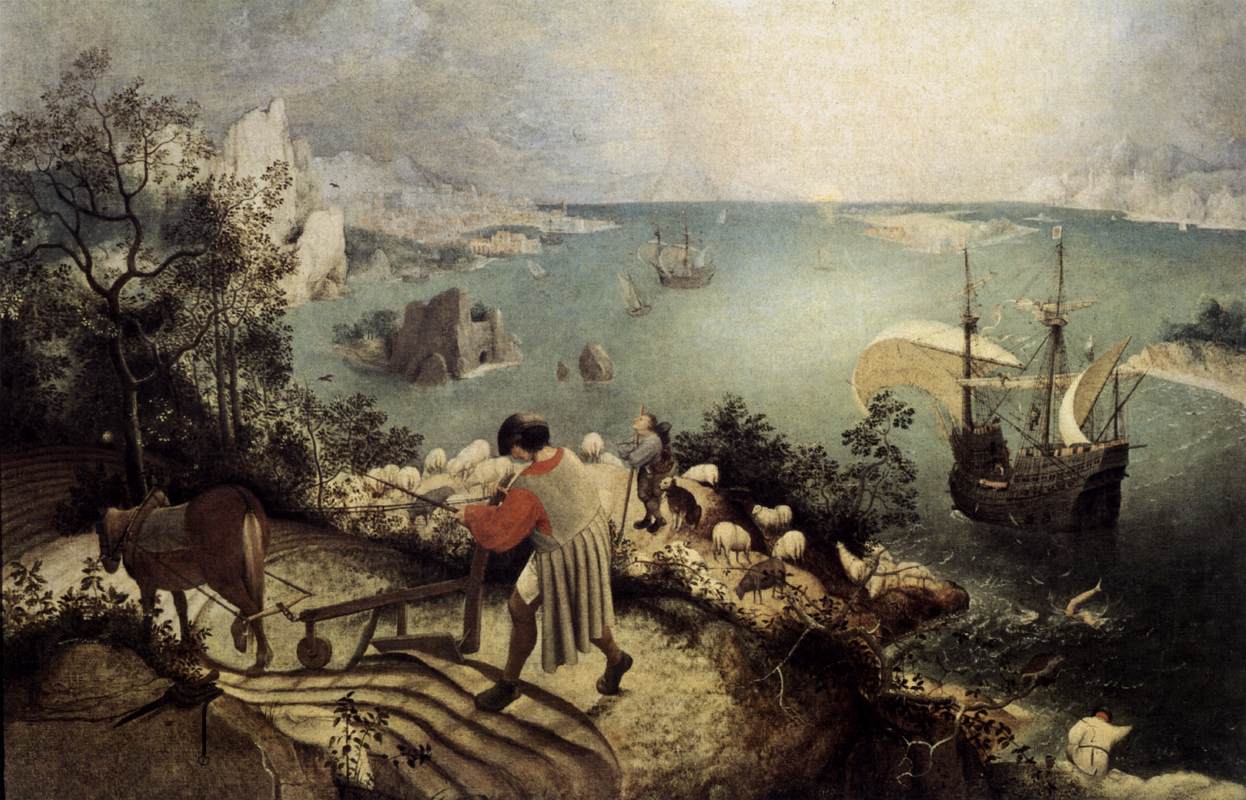
Bruxelles, Musée des Beaux-Arts - © Web Art Gallery
Se tutto quello che abbiamo visto finora, però, è nella pinacoteca fiorentina, il dipinto fiammingo di Bruegel è in realtà conservato al Musée des Beaux-Arts di Bruxelles. Dario Argento probabilmente, forzandone la collocazione, lo ha scelto proprio per il suo carattere onirico che, oltre a rappresentare la celebre caduta in acqua del figlio di Dedalo, come da racconto di Ovidio (Met. VIII), restituisce uno straniamento dato dall’accostamento di diversi piani prospettici.
E chissà se il grande regista romano fosse a conoscenza della connessione tra il dipinto e un noto proverbio fiammingo, che spiega anche il perché della presenza del contadino in primo piano: «nessun aratro si ferma perché muore un uomo». Un detto che ci ricorda la piccolezza dell’uomo e di come la natura e la quotidianità del mondo non si arrestino nemmeno di fronte alle tragedie delle singole vite umane.