'Come la notte', le cicatrici nascoste della comunità filippina in Italia
BERLINO – “Ai laboriosi collaboratori domestici, caregiver e addetti alle pulizie filippini sparsi in tutto il mondo”. Questa la dedica del film Come la notte (Where the Night Stands Still) coproduzione italo-filippina in Concorso alla Berlinale nella nuova sezione dedicata alle opere prime, Perspectives. Esordio al lungometraggio dell’artista di origini filippine Liryc Dela Cruz, già selezionato nel 2020 tra i giovani cineasti emergenti di Berlinale Talents, che nelle sue opere indaga la storia post-coloniale delle Filippine e le condizioni esistenziali e di lavoro di una comunità sparsa per il mondo, come in una sorta di diaspora. Ne emerge un forte bisogno di autodeterminazione e appartenenza - territoriale, collettiva e individuale - di un popolo sottoposto a secoli di oppressione, migrazione e lotta per la sopravvivenza. In cui il mestiere del prendersi cura di case e famiglie altrui, è diventato diffuso e superficiale sinonimo ontologico di un’identità posticcia, che esercita la sua opprimente pressione sull’individuo e lo spersonalizza, a favore di un archetipo imposto dal Paese straniero in cui lavora e vive.
I fratelli Karamazov e Re Lear, mescolati alla cultura popolare della comunità filippina in Italia, tra i riferimenti dichiarati del film che racconta l’incontro di tre fratelli, tutti lavoratori domestici, che si riuniscono dopo anni di separazione nella villa ereditata dalla sorella maggiore. L'attesa reunion diventa occasione di confronto con il passato, da cui emergono ricordi e rancori familiari non espressi. La loro storia rivela man mano un pesante carico di assenze, nostalgia, oppressione subita, fallimenti, rabbia. Fino a quando quello che si rivela essere un fragile legame di fratellanza si sgretola, lasciando esplodere furiosamente una violenza interiorizzata che trasforma gli oppressi in feroci oppressori.
“Questo film è un'esplorazione dell'eredità silenziosa e corrosiva che il colonialismo ha lasciato nella psiche filippina, il suo potere insidioso di frammentare non solo le nazioni, ma anche le famiglie e gli individui - ha sottolineato Liryc Dela Cruz. Ho voluto esaminare come secoli di oppressione, spostamenti e lotta per la sopravvivenza abbiano plasmato le dinamiche intime della famiglia, creando spazi in cui il dolore irrisolto prolifera nel silenzio. Le cicatrici della migrazione, del servire sempre in casa altrui, rivelano un senso di appartenenza fratturato, dove la cura è contaminata dal risentimento e l'amore è inseparabile dal rancore”.
I luoghi delle riprese e la Villa, metafora di prigionia
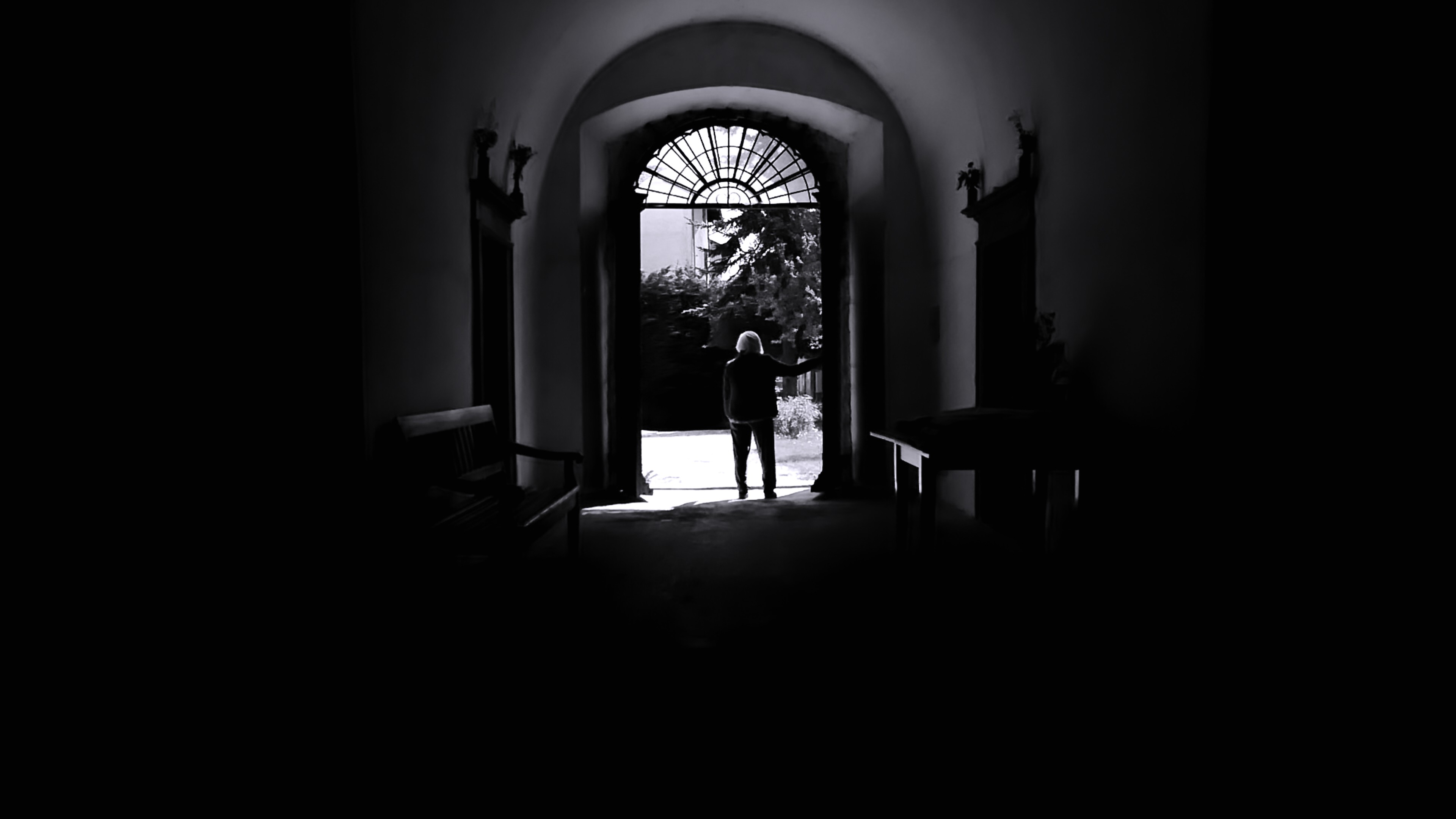
Come la notte è girato in bianco e nero, scelta stilistica che accentua il senso di nostalgia e malinconia dei protagonisti. Le riprese si sono svolte in una villa in provincia di Trento, di proprietà di un amico del regista che vive da molti anni a Roma, il Palazzo Malfatti, un edificio storico nel centro di Vigolo Vattaro che, sotto il nome di Spazio '500, è divenuto recentemente anche luogo di ospitalità, residenza e alta formazione per le arti, lo spettacolo e la cultura.
Le immagini dell'edificio storico, costruito su di una preesistenza medioevale ma di chiara impostazione cinquecentesca, sono piene protagoniste delle riprese, rendendo la Villa una presenza imponete e silenziosa, un non-luogo che collega l'intero film la cui atmosfera sospesa e statica riflette lo stato di tensione dei personaggi. Lunghe inquadrature si soffermano con cura su composizioni degli spazi spesso simmetriche, indugiano su dettagli di ambienti voltati a crociera e a botte, la cui architettura d’ispirazione europea è palesemente in contrasto con le radici filippine dei protagonisti, facendosi ulteriore espressione simbolica della loro condizione di prigionia in un territorio straniero.
Come la notte, sinossi e trailer
Dopo anni di separazione, tre fratelli filippini, tutti lavoratori domestici in Italia, si riuniscono nella villa ereditata dalla sorella maggiore Lilia. Con il calare della notte, la tanto attesa riunione riporta a galla vecchi ricordi e rancori mai espressi. L'aria è densa del peso di ciò che è rimasto inespresso nel tempo, mentre i fratelli affrontano la delicata distanza che si è creata tra di loro. Nel silenzio della villa, lottano con un dolore indescrivibile, mentre la loro storia condivisa si svela a frammenti, rivelando tracce silenziose ma profonde di assenza, nostalgia e legami spezzati.