Caravaggio sullo schermo tra location ed evocazioni - seconda parte
ARTE E LOCATION - Il cinema nei dettagli
Il Caravaggio evocato in Fantasmi a Roma
Continua il nostro viaggio tra cinema e Caravaggio e, dopo la prima parte dedicata ai rapporti tra i film e i dipinti dell'artista e soprattutto della serie tv Ripley con i luoghi caravaggeschi, approfittiamo della ricorrenza della morte di Michelangelo Merisi, avvenuta 415 anni fa, il 18 luglio 1610 a Porto Ercole, per raccontare un episodio cinematografico, a suo modo straordinario.
Nella mostra Caravaggio 2025, che si chiuderà dopodomani a Palazzo Barberini, i possessori del biglietto potevano prenotare una visita guidata al Casino di Villa Ludovisi, di proprietà privata, in cui ammirare l’unica pittura murale di Caravaggio, un olio su muro raffigurante Giove, Nettuno e Plutone (1597-99), realizzato per uno dei suoi committenti più famosi, il cardinale Francesco Maria del Monte, che fu protettore anche di Galileo. Il casino passò poi a Ludovico Ludovisi, nipote di Gregorio XV (1621-23), che fece affrescare la sala terrena con il Carro dell’Aurora da Guercino (1621), in risposta all’omonimo soggetto realizzato tra 1613 e 1614 da Guido Reni per Scipione Borghese in quella che oggi conosciamo come Villa Pallavicini Rospigliosi, e il dipinto di Caravaggio finì nell’oblìo. Il dibattito rimase aperto anche dopo l’articolo di Giuliana Zandri del 1969 (Un probabile dipinto murale del Caravaggio per il Cardinale Del Monte) che oggi ne segna la riscoperta ufficiale.
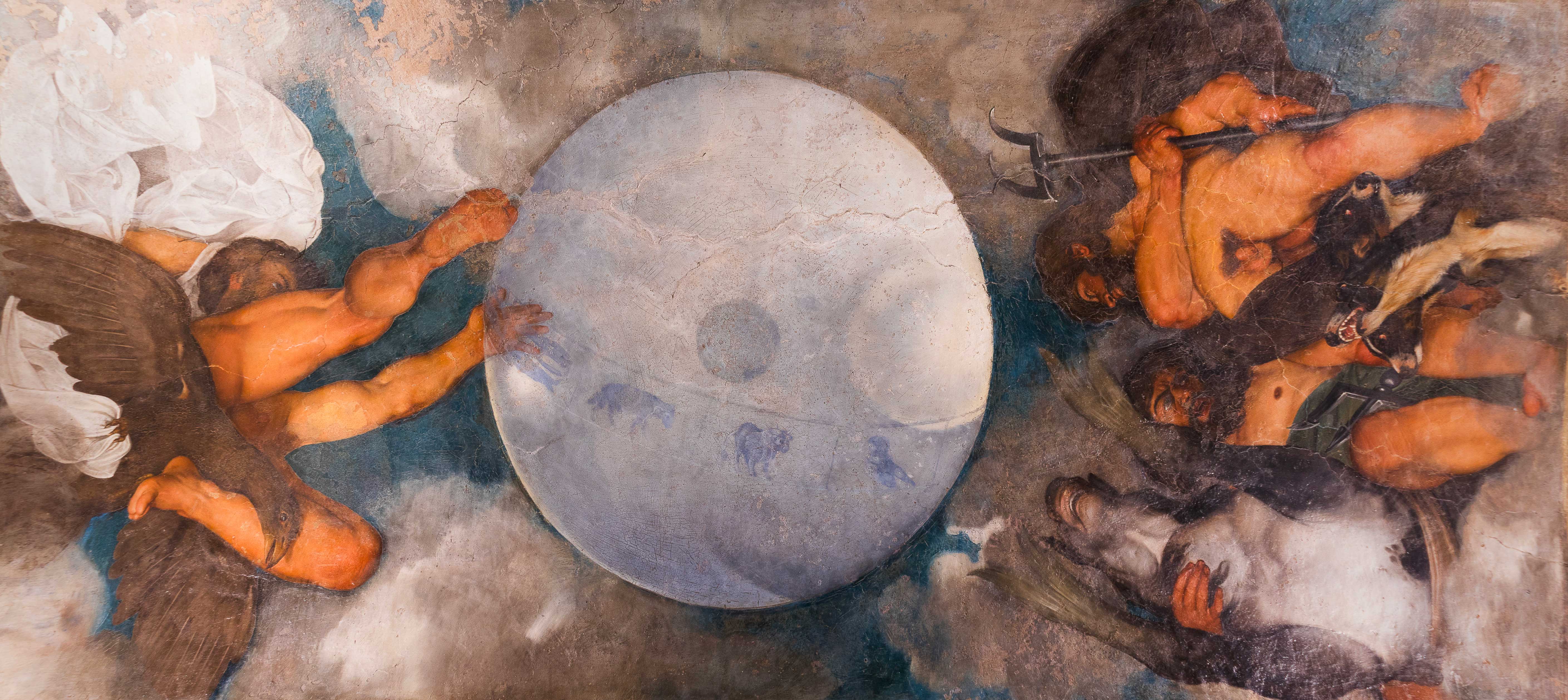
D’altronde, l’arte di Caravaggio e il caravaggismo, dopo l’esplosione iniziale della prima metà del Seicento, “perse” la sfida con l’idealismo di matrice raffaellesca, di cui si fecero promotori dapprima i Carracci, poi Domenichino, Guido Reni e quindi Carlo Maratti, solo per citare i nomi principali.
E, in effetti, la bassa considerazione del realismo caravaggesco è durata per tre secoli, fino alla metà del Novecento: e per rendersene conto basta, sfogliare le guide turistiche dal '700 all'inizio del secolo scorso per scoprire che, ad esempio, alle pagine dedicate a San Luigi dei Francesi si dava come priorità la cappella di santa Cecilia affrescata da Domenichino e non la cappella Contarelli con le Storie di san Matteo, oggi considerate tra i massimi capolavori di Caravaggio e della storia dell’arte tutta.
Fu Roberto Longhi a ridare prestigio alla pittura di Michelangelo Merisi e la mostra da lui curata a Palazzo Reale a Milano nel 1951 rappresenta simbolicamente uno spartiacque, poiché da quel momento in poi il dibattito sulle opere di Caravaggio divenne sempre più acceso e il catalogo del maestro si arricchì sempre di più fino all’ipertrofia attuale.
In quel contesto uscì un film come Fantasmi a Roma (1961), lo stupendo lavoro di Antonio Pietrangeli che racconta di personaggi trapassati che gravitano in un grande e malconcio appartamento di un palazzo d’epoca in piazza Santa Maria della Pace – il portone è quello di palazzo Gambirasi –, abitato da Don Annibale di Roviano (Eduardo De Filippo) e poi ereditato dal nipote Federico (Marcello Mastroianni), che vuole monetizzarne il valore. Nella finzione scenica, i fantasmi si alleano per evitarne la vendita e chiamano Giovan Battista Villari, detto il Caparra (Vittorio Gassman), per dipingere un affresco, la cui scoperta e il conseguente vincolo possano salvare il palazzo.
Ora proprio quelle sequenze, esilaranti, con Gassman che utilizza come modelli gli altri fantasmi, tra cui la bella Flora (Sandra Milo), e poi inveisce contro lo storico dell’arte di turno, Randoni (Mario Maresca), esemplato proprio su Roberto Longhi, che invece di attribuire a lui l’affresco, lo assegna al “pennello” nientepopodimeno che… di Caravaggio, appaiono essere un rimando puntuale al dipinto del Casino Ludovisi!
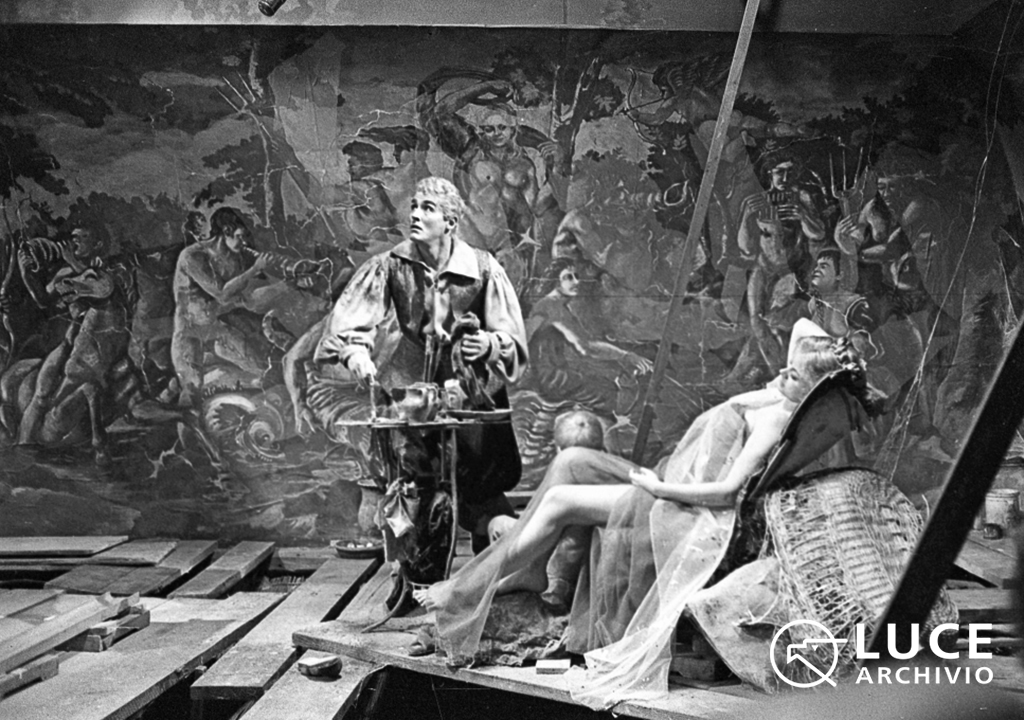
Lo dimostrano la collocazione su un soffitto, la corsa all’attribuzione – peraltro di un critico prezzolato, in allusione a un certo tipo di expertise –, l'accesso di rabbia del Caparra, che ribadisce come Caravaggio non abbia mai dipinto un affresco, e tutto sommato anche il soggetto mitologico, pur se virato in chiave comica, "Giove trasformato in lavandaia che seduce Venere" (sic), al posto delle tre divinità connesse ad Aria (Giove), Acqua (Nettuno) e Terra (Plutone) per la distilleria alchemica del cardinal del Monte.
Il Caparra, inoltre, non solo offende più volte donna Flora (Sandra Milo), ma inveisce contro tutti, contro il Cavalier d'Arpino per la spiegazione della tecnica dell'affresco che non contempla gli ostacoli della vita reale e, soprattutto, contro lo storico dell’arte, a cui riserverà un fragoroso dispetto finale, poiché colpevole di aver considerato inferiore la sua arte rispetto a quella di Caravaggio.
Proprio il temperamento del Caparra, esemplato sull’idea del pittore senza regole, permette un’ultima riflessione di contesto, che riguarda anche lo stesso Merisi, che dall’Ottocento fino ai giorni nostri troppo spesso è passato, nell’immaginario collettivo, come un uomo particolarmente dedito alla rissa e al coltello, poco colto, rozzo, un “pittore maledetto” che visse una “vita violenta”.
È indubbiamente vero che Caravaggio negli anni romani aggredì Mariano Pasqualoni per difendere Lena (Maddalena Antognetti); lanciò sassi contro la finestra di Prudenzia Bruni, sua padrona di casa a vicolo S. Biagio (oggi vicolo del Divino Amore); uccise Ranuccio Tomassoni il 28 maggio 1606, iniziando quel peregrinare che lo portò anche a Malta, dove finì in prigione per una rissa, ma è l’identificazione della sua pittura con la sua vita che ha portato a una visione distorta di un uomo semplicemente del suo tempo.
Dell’ampia cultura di Caravaggio, infatti, parlano i dipinti e i circoli intellettuali e religiosi di cui fece parte, mentre sul carattere violento della sua vita basti ricordare che negli stessi anni Agostino Tassi violentò Artemisia Gentileschi, nel periodo in cui entrambi lavoravano con Orazio, padre della ragazza, alla decorazione del Casino delle Muse di Villa Rospigliosi Pallavicini (allora Borghese); Gian Lorenzo Bernini sfregiò Costanza Piccolomini Bonarelli; il Cavalier d’Arpino fece aggredire il collega Pomarancio; Onorio Longhi rincorse varie persone armato di coltello all’interno di S. Maria sopra Minerva…
E quindi, ancora più a buon diritto, quando il Caparra spinge il professor Randoni per le scale può attribuire la colpa a qualcun altro: “sei stato tu?” “no, è stato il Caravaggio”. Gassman/Caparra che odia il successo di Caravaggio ai propri danni resta ancora oggi una delle chicche più esilaranti di un film straordinario!
- Leggi la prima parte dell'articolo
- Dove vedere il film citato:
Fantasmi a Roma - Antonio Pietrangeli, 1967 (Raiplay) - 1h16'-1h27' (per la scena sul Caparra e Randoni)
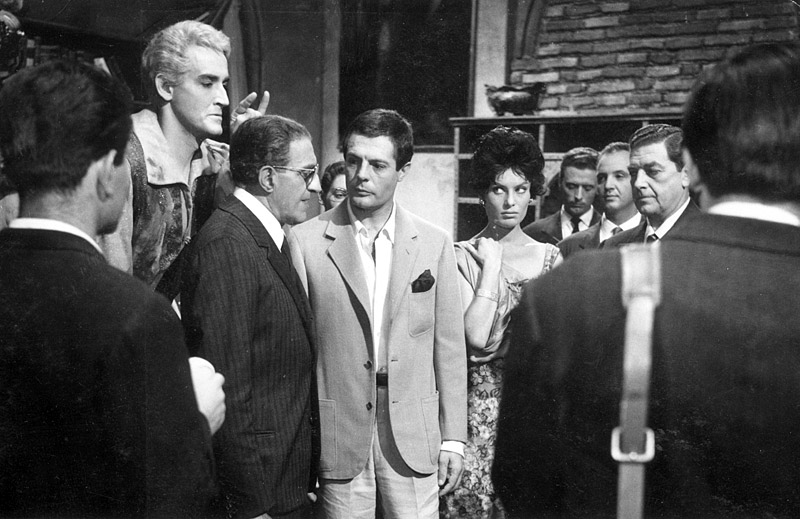
sull'affresco che verrà attribuito a Caravaggio - © Cristaldi Film