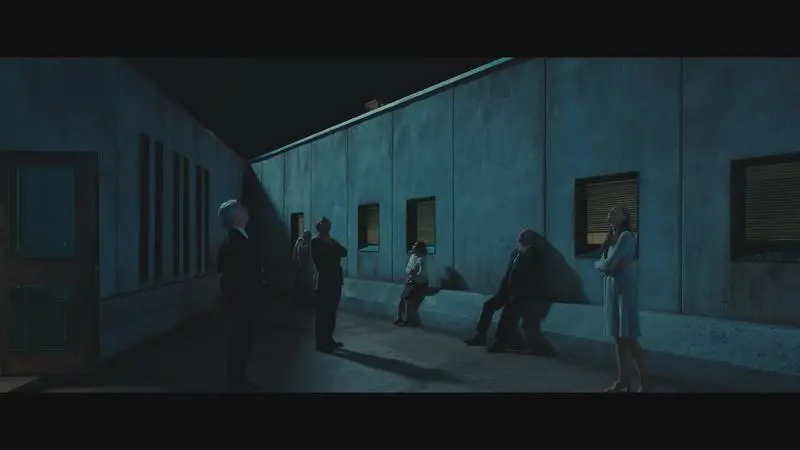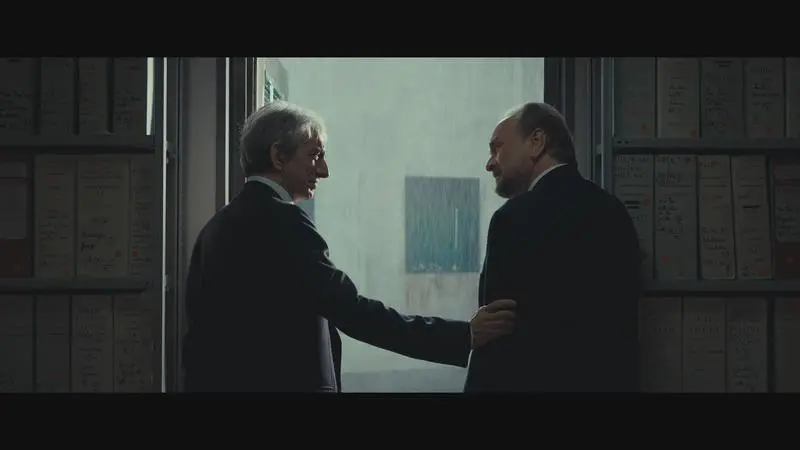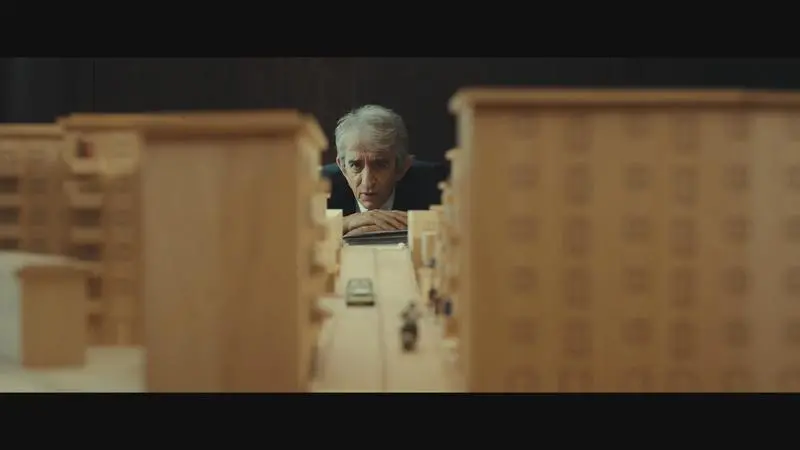
Shot entirely indoors, La Camera di Consiglio, directed by Fiorella Infascelli, produced by Armosia and Master Five Cinematografica with Rai Cinema, uses theatrical staging to convey the tension and isolation of the trial. The bunker in the Ucciardone Prison in Palermo, where the eight jurors were locked for 36 days, was built entirely at Cinecittà Studios.
The film uses archive footage to place the jurors' experiences within the broader historical and civic context. This provides an opportunity to reflect on the historical context of the mafia, on the concept of legality and justice, and on the human and civic experience of those called upon to decide the fate of hundreds of defendants in one of the most dramatic, intense trials in Italian democracy.
Shot entirely indoors, La Camera di Consiglio, directed by Fiorella Infascelli, produced by Armosia and Master Five Cinematografica with Rai Cinema, uses theatrical staging to convey the tension and isolation of the trial. The bunker in the Ucciardone Prison in Palermo, where the eight jurors were locked for 36 days, was built entirely at Cinecittà Studios.
The film uses archive footage to place the jurors' experiences within the broader historical and civic context. This provides an opportunity to reflect on the historical context of the mafia, on the concept of legality and justice, and on the human and civic experience of those called upon to decide the fate of hundreds of defendants in one of the most dramatic, intense trials in Italian democracy.
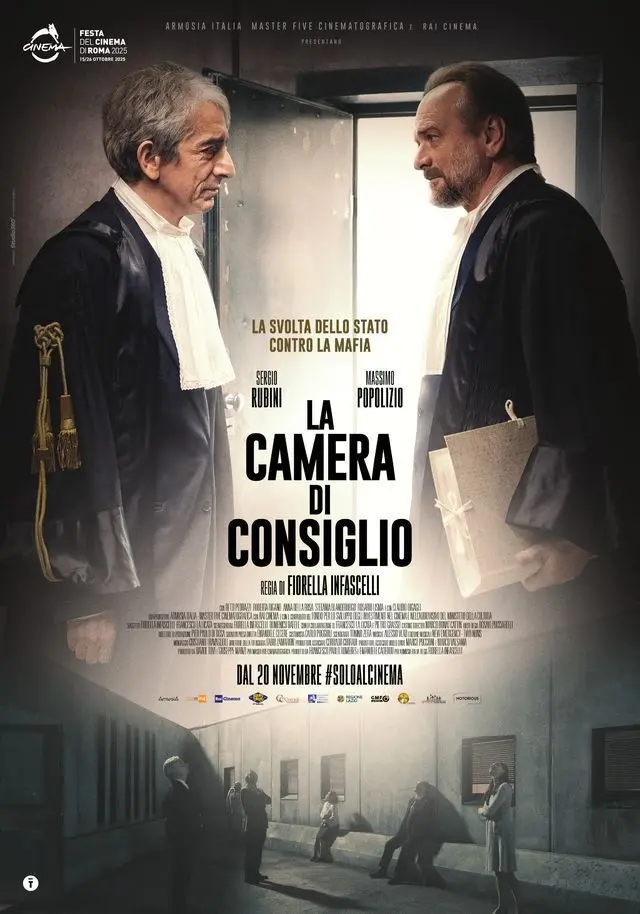
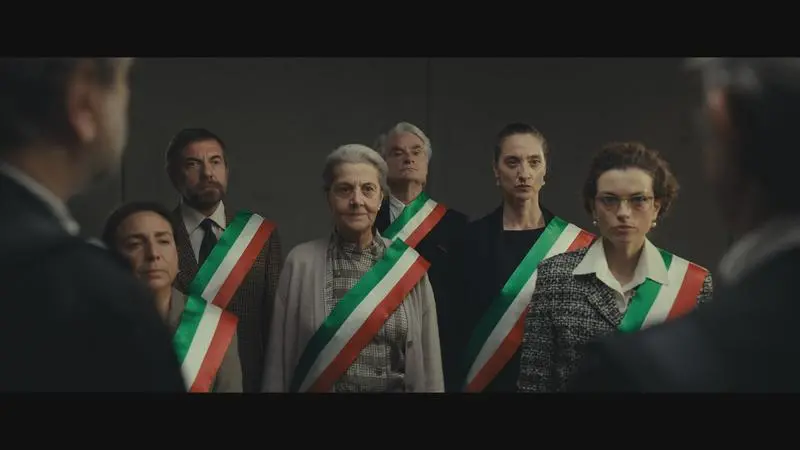
1987, the final act of the largest criminal trial in Italian history: the Maxi Trial of Palermo. The eight jurors (four women, four men) are locked in a council chamber for 36 days to decide on convictions or acquittals for 470 defendants. Eight people, forced to live together in an apartment in the Ucciardone prison, deprived of all communication with the outside world, no television, telephone, or radio. Imprisoned.