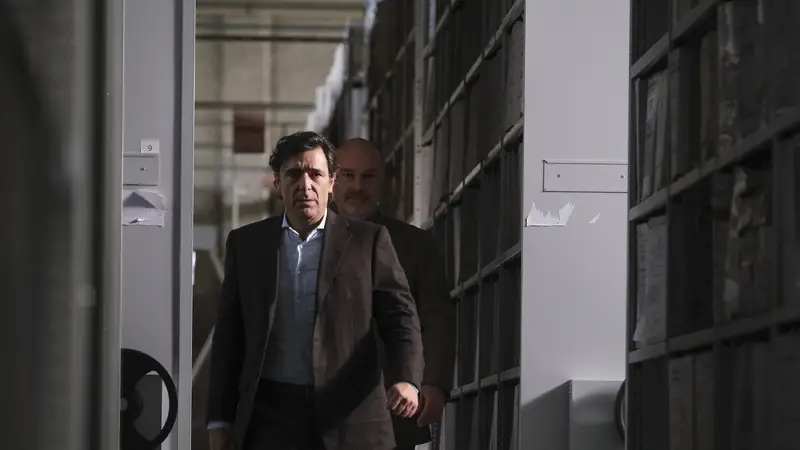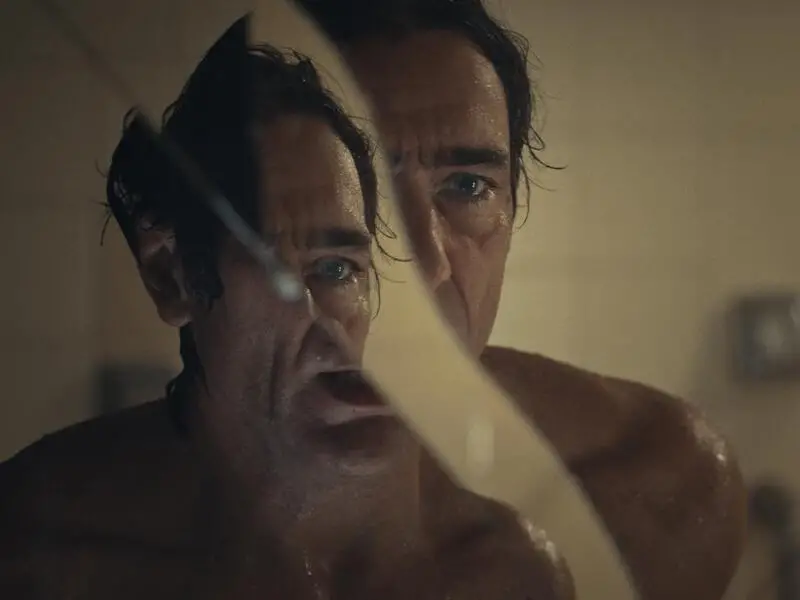
Directed by Marco Bechis and selected in Competition at the 83rd Venice Film Festival, Ritorno a Buenos Aires is not the story of a hero returning for revenge, but rather the journey of a man bent beneath his own dark side: undone by torture, he talked, betraying his comrades.
The film, written by Bechis with Vijaya Bechis Boll, was shot in Brazil (Porto Alegre) and in Piedmont, mostly in Turin, where locations included the Vallette Prison - Casa Circondariale Lo Russo Cutugno, where the trial takes place, and the San Salvario neighbourhood for some exterior scenes.
Credits include: cinematography by Fabrizio La Palombara, editing by Jacopo Quadri, production design by Mario Scarzella, costume design by Sara Giovene.
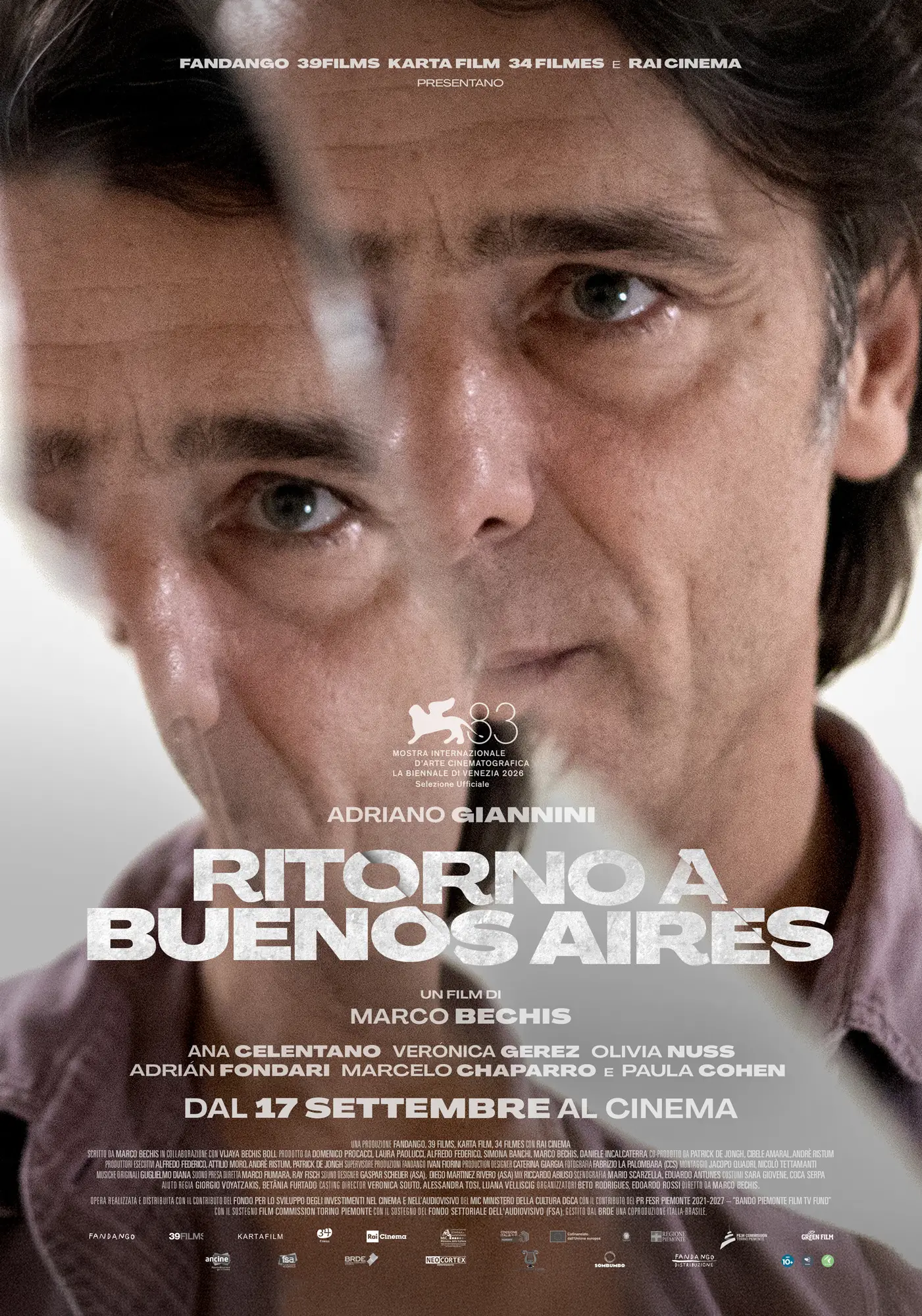
Fandango, 39Films, Karta Film, 34 Filmes, Rai Cinema
Buenos Aires, 2008. After thirty-three years in Italy, Mariano Guerra returns to Argentina to testify in the trial of the former soldiers who kidnapped, tortured, and enslaved him during the military dictatorship. He and the other survivors are housed in Ministry of Justice quarters, where he reunites with those who shared his captivity and awaits the day of his testimony. The days spent with the other witnesses, the meetings, and testimonies bring stories that have remained dormant for decades to the surface. Mariano is one of the few survivors of that tragedy and carries a burden that no sentence can ease. His return to Buenos Aires forces him to confront what it means to have stayed alive.