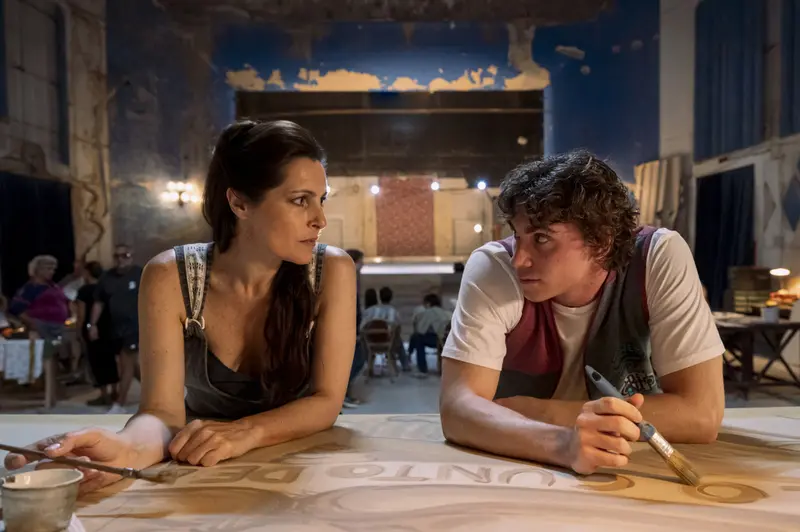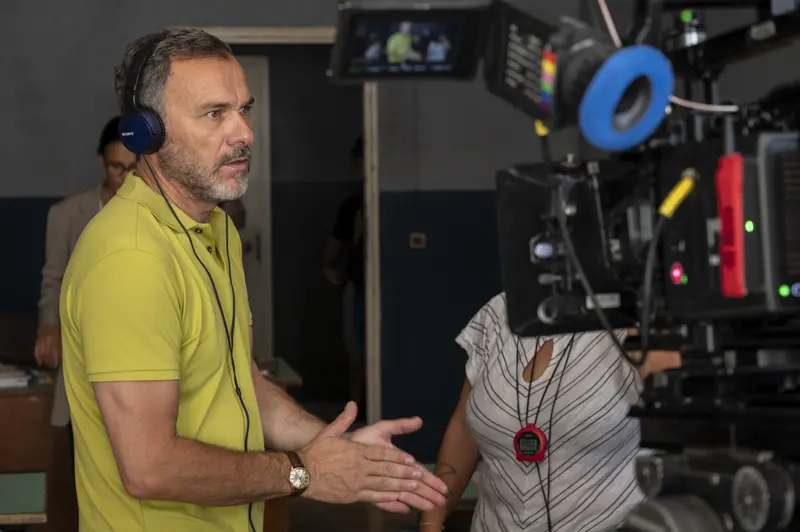
Massimiliano Gallo's debut feature, La salita, draws inspiration from two true stories that took place in 1983: the transfer of several female inmates to the Nisida borstal and the commitment of Eduardo De Filippo, life senator, to the minors incarcerated in the Nisida and Filangieri borstals and the institution of prison theatre. Blending fact and fiction, real and imaginary characters, the film recounts the encounter between a young inmate in Nisida with a prisoner from the Pozzuoli women's prison, as they experience theatre together for the first time, creating a tapestry of feelings and passions. The story is set in a Neapolitan juvenile prison some 40 years ago, a distant and different time for the city but ultimately very similar to today's.
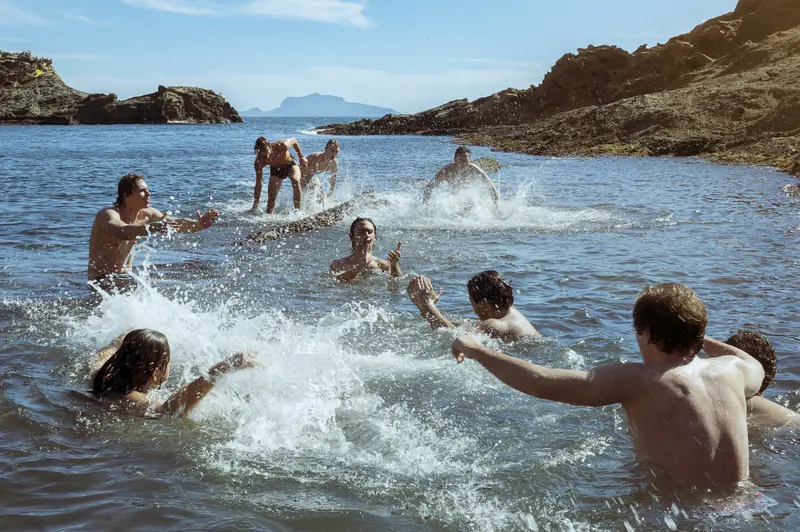
The film's main location is the Nisida juvenile prison, named after the island on which it stands, a natural boundary between two gulfs, in the municipality of Naples. Santa Maria Capua a Vetere provided another location. Panoramic shots of the prison exterior include a focus on the scoglio del Levante ock formation located opposite the island of Nisida.
The atrium of Palazzo San Giacomo, Naples's historic City Hall, provides the setting for the press presentation of Eduardo De Filippo's project for the prison theatre workshop, attended by the mayor, De Filippo, and the actors. A double staircase leads from here to the upper floors, with the bust of Marianna a cape e Napule that became an emblem of the city during the Masaniello uprisings of the 17th century on the landing.
Massimiliano Gallo's debut feature, La salita, draws inspiration from two true stories that took place in 1983: the transfer of several female inmates to the Nisida borstal and the commitment of Eduardo De Filippo, life senator, to the minors incarcerated in the Nisida and Filangieri borstals and the institution of prison theatre. Blending fact and fiction, real and imaginary characters, the film recounts the encounter between a young inmate in Nisida with a prisoner from the Pozzuoli women's prison, as they experience theatre together for the first time, creating a tapestry of feelings and passions. The story is set in a Neapolitan juvenile prison some 40 years ago, a distant and different time for the city but ultimately very similar to today's.
The film's main location is the Nisida juvenile prison, named after the island on which it stands, a natural boundary between two gulfs, in the municipality of Naples. Santa Maria Capua a Vetere provided another location. Panoramic shots of the prison exterior include a focus on the scoglio del Levante ock formation located opposite the island of Nisida.
The atrium of Palazzo San Giacomo, Naples's historic City Hall, provides the setting for the press presentation of Eduardo De Filippo's project for the prison theatre workshop, attended by the mayor, De Filippo, and the actors. A double staircase leads from here to the upper floors, with the bust of Marianna a cape e Napule that became an emblem of the city during the Masaniello uprisings of the 17th century on the landing.
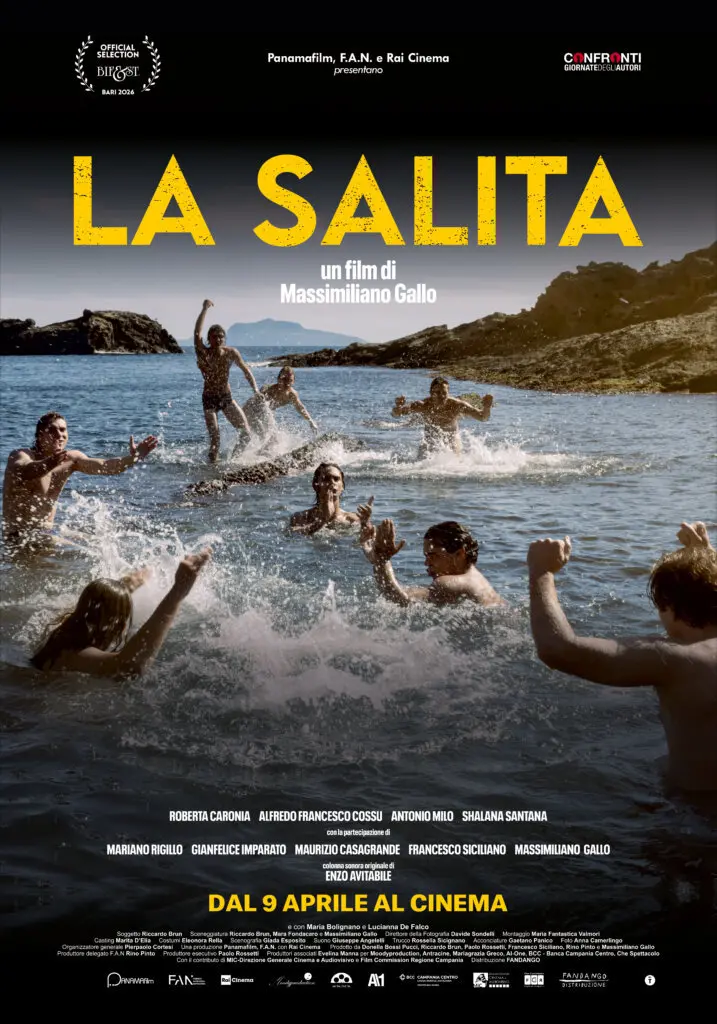
Panamafilm, F.A.N., Rai Cinema
Naples. 1983. Damage caused by volcanic movement (bradyseism) closes the women's prison in Pozzuoli forcing the inmates to be temporarily relocated to other penitentiaries in the region, some at the Nisida borstal. Eduardo De Filippo, newly appointed a life Senator, travels to Nisida several times, contributing to the renovation of the prison theatre where he establishes a stage design and acting school, sending actors from his company to stage the first theatrical performance in an Italian borstal.