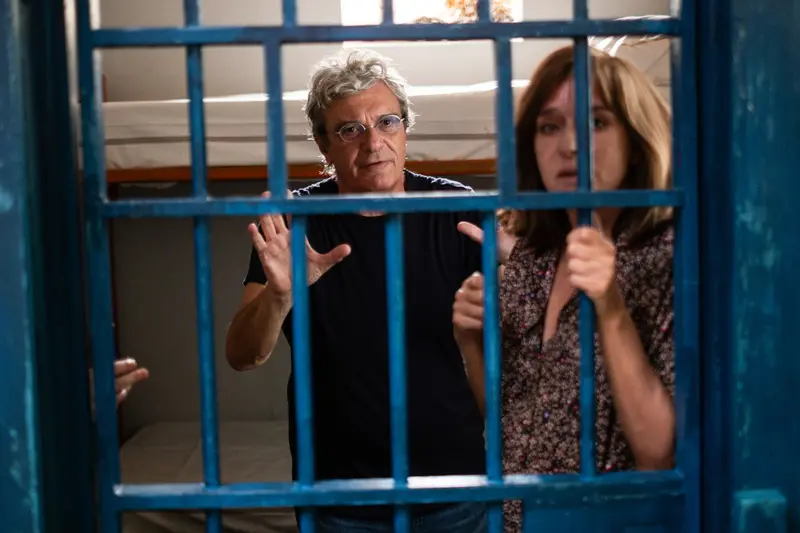
Mario Martone's film was shot in eight weeks, in summer 2024, mainly in Rome. The film's settings include Rebibbia prison where the writer Goliarda Sapienza was detained in 1980 following a theft. Scenes set on the upper floor, at the entrance and in the courtyard of Rebibbia were actually filmed in the prison, with inmates and former inmates as extras; the scenes on the lower floor were built in soundstages.
Fuori opens up the entire city of Rome, exploring different neighbourhoods of the Capital, with a perfect rendering of the 80s setting. From Parioli to Porta Maggiore and Roma Termini, glimpses of the city form the backdrop to Goliarda's post-prison daily life, accentuating the contrast between confinement and freedom, rational geometry and disorder, silence and rediscovered words.
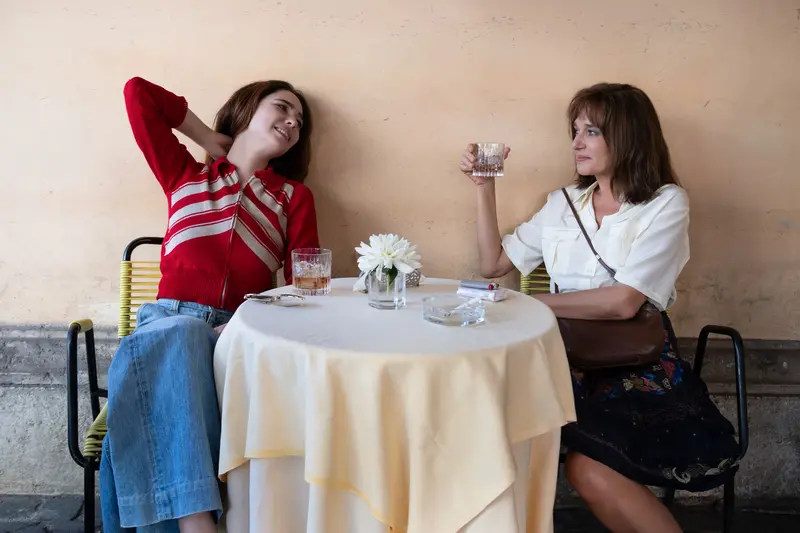
Goliarda and Roberta meet in a bar in piazza Euclide in Parioli, overlooked by the Basilica of the Sacred Immaculate Heart of Mary. Parioli also provided other meaningful locations, including the house where Goliarda actually lived in via Denza. Here she lived a complex phase of her existence, one marked by economic insecurity and a deep sense of exclusion. Some scenes were filmed inside her original apartment, an iconic place that was already familiar to Valeria Golino who plays the writer she met as a girl, from the set of Storia d’amore by Citto Maselli. Golino has said that "Going back there was a deeply touching, almost mystical moment. One of those moments in which life seems to have a meaning, in which the senselessness of events is organized into a general design".
Another famous venue is in piazza del Popolo: Canova café features as a meeting place for the women. Dagnino, the Sicilian pastry shop in the Esedra gallery (piazza della Repubblica), provided the location for a bar inside Termini station a few hundred metres away.
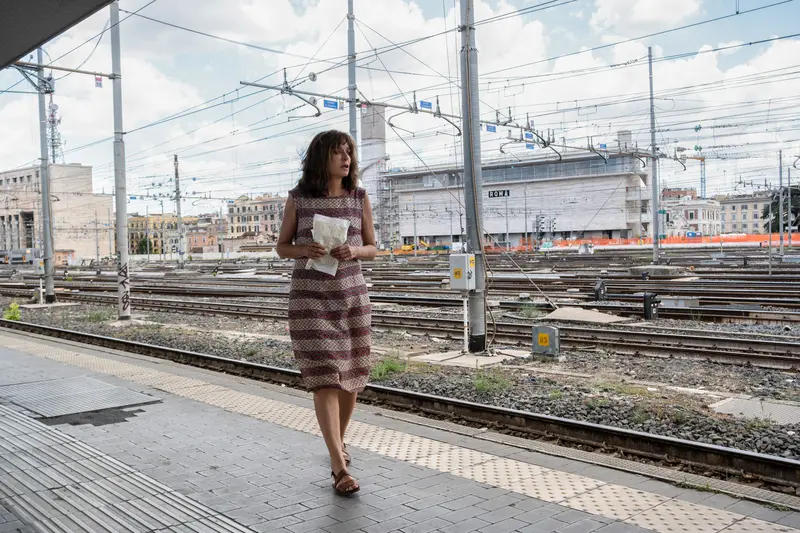
The final scene was filmed in Rome Termini train station, complete with real trains, announcements and background noises of the station. “It was very difficult to obtain permits and handle the technical conditions, but for me it was essential to shoot in the real Termini”, notes Martone. “These places are not just a backdrop, but are part of the story, like a horizon”.
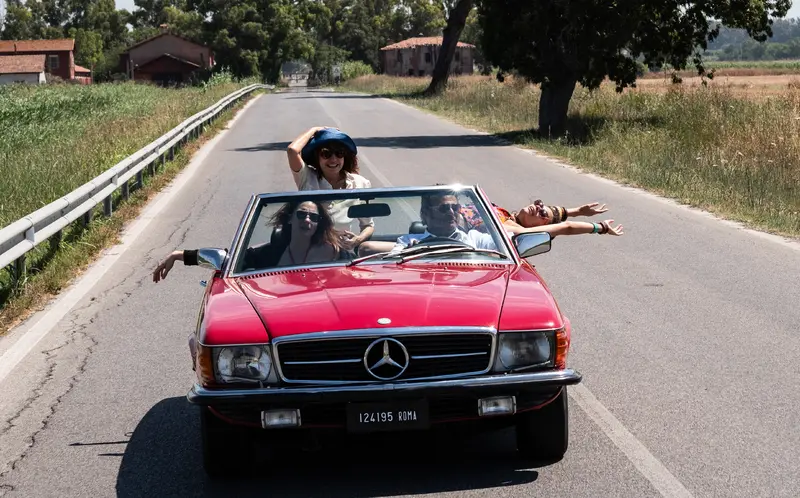
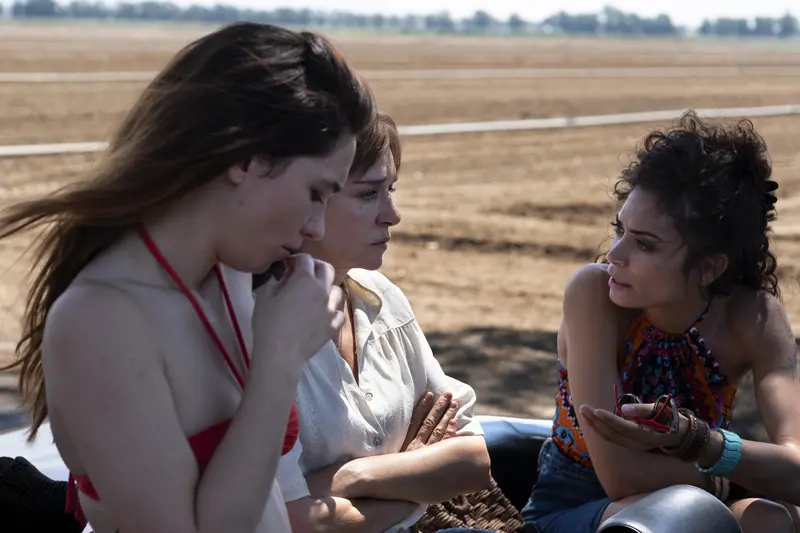
Other locations included the Roman coast, in particular Fregene and Maccarese (municipality of Fiumicino). The scenes filmed here show the characters sharing moments of escape and sisterhood: a drive in a convertible is a symbol of vitality and desire for rebirth, the landscape a metaphor for lightness and conquered freedom.
Mario Martone's film was shot in eight weeks, in summer 2024, mainly in Rome. The film's settings include Rebibbia prison where the writer Goliarda Sapienza was detained in 1980 following a theft. Scenes set on the upper floor, at the entrance and in the courtyard of Rebibbia were actually filmed in the prison, with inmates and former inmates as extras; the scenes on the lower floor were built in soundstages.
Fuori opens up the entire city of Rome, exploring different neighbourhoods of the Capital, with a perfect rendering of the 80s setting. From Parioli to Porta Maggiore and Roma Termini, glimpses of the city form the backdrop to Goliarda's post-prison daily life, accentuating the contrast between confinement and freedom, rational geometry and disorder, silence and rediscovered words.
Goliarda and Roberta meet in a bar in piazza Euclide in Parioli, overlooked by the Basilica of the Sacred Immaculate Heart of Mary. Parioli also provided other meaningful locations, including the house where Goliarda actually lived in via Denza. Here she lived a complex phase of her existence, one marked by economic insecurity and a deep sense of exclusion. Some scenes were filmed inside her original apartment, an iconic place that was already familiar to Valeria Golino who plays the writer she met as a girl, from the set of Storia d’amore by Citto Maselli. Golino has said that "Going back there was a deeply touching, almost mystical moment. One of those moments in which life seems to have a meaning, in which the senselessness of events is organized into a general design".
Another famous venue is in piazza del Popolo: Canova café features as a meeting place for the women. Dagnino, the Sicilian pastry shop in the Esedra gallery (piazza della Repubblica), provided the location for a bar inside Termini station a few hundred metres away.
The final scene was filmed in Rome Termini train station, complete with real trains, announcements and background noises of the station. “It was very difficult to obtain permits and handle the technical conditions, but for me it was essential to shoot in the real Termini”, notes Martone. “These places are not just a backdrop, but are part of the story, like a horizon”.
Other locations included the Roman coast, in particular Fregene and Maccarese (municipality of Fiumicino). The scenes filmed here show the characters sharing moments of escape and sisterhood: a drive in a convertible is a symbol of vitality and desire for rebirth, the landscape a metaphor for lightness and conquered freedom.
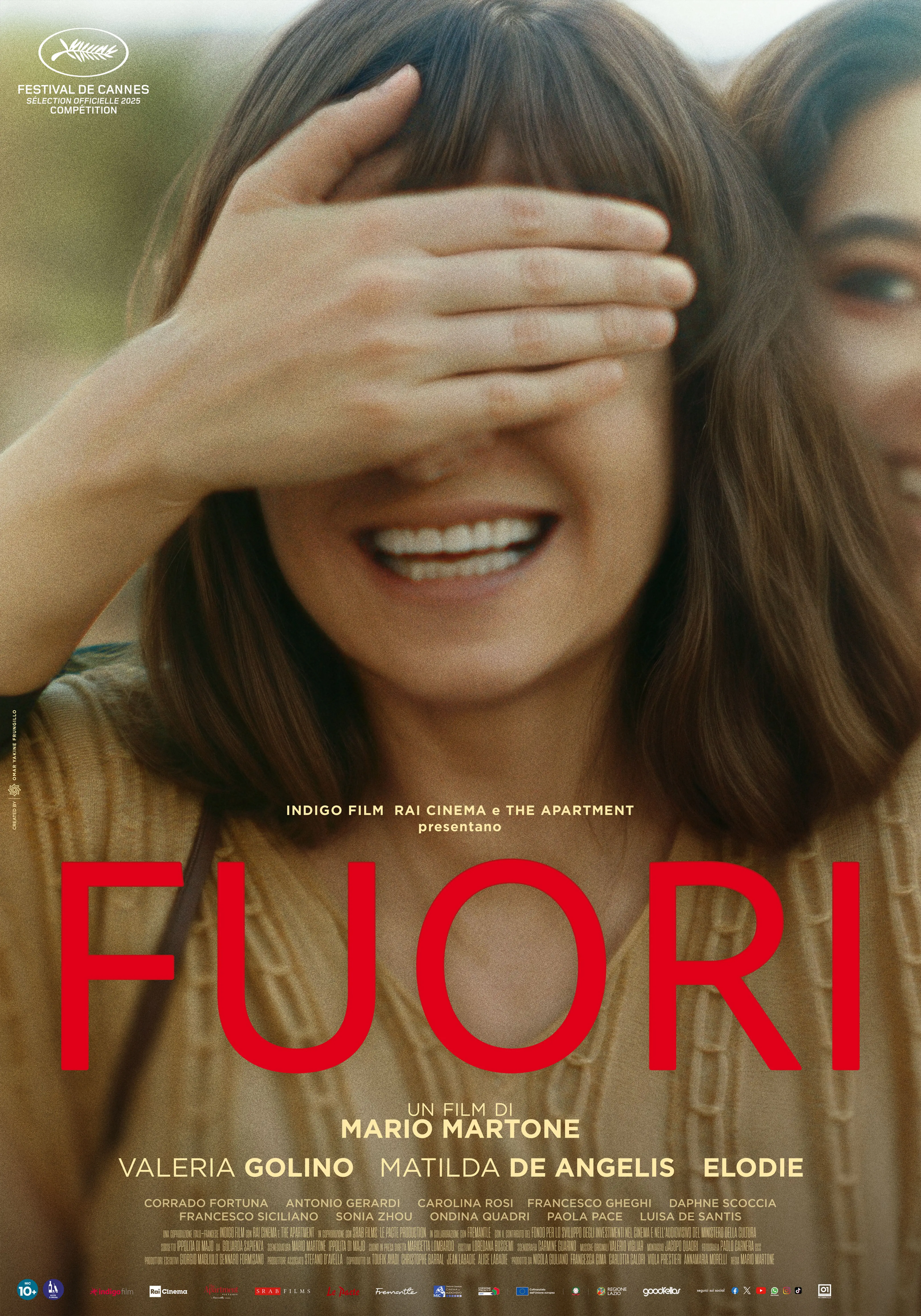
Indigo Film, Rai Cinema, The Apartment, Srab Films, Le Pacte Production
Rome, 1980. The writer Goliarda Sapienza is imprisoned for stealing jewellery, the relationships she builds with her fellow inmates become an experience of rebirth. Released from prison, the women continue to meet over the course of a hot Roman summer and Goliarda forms a deep bond with Roberta, a habitual offender and political activist. It is a relationship that no-one who has not experienced prison can understand but thanks to which Goliarda rediscovers the joy of living and the drive to write.
Do you want to be deleted? Send an email to: info@italyformovies.it
Do you want to be deleted? Send an email to: info@italyformovies.it