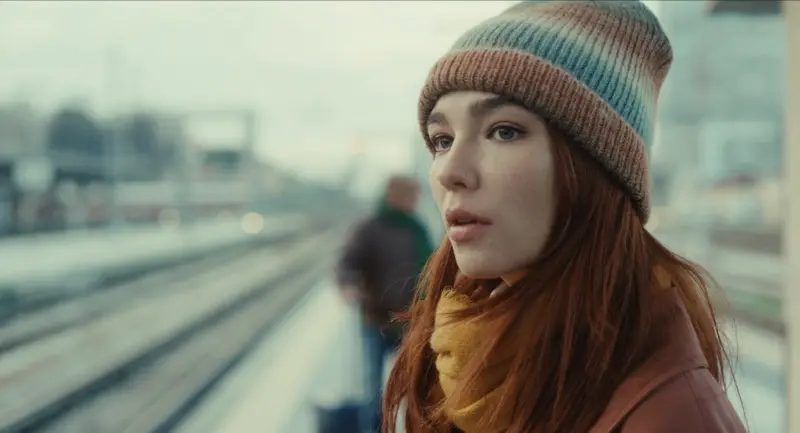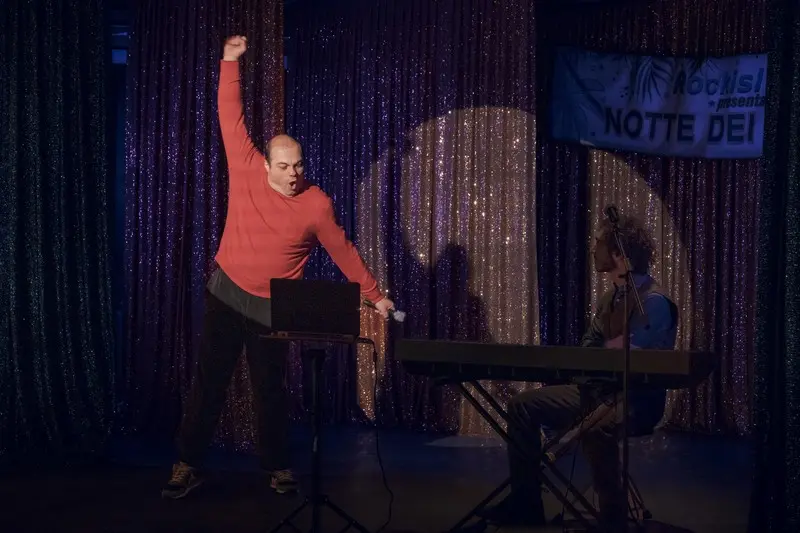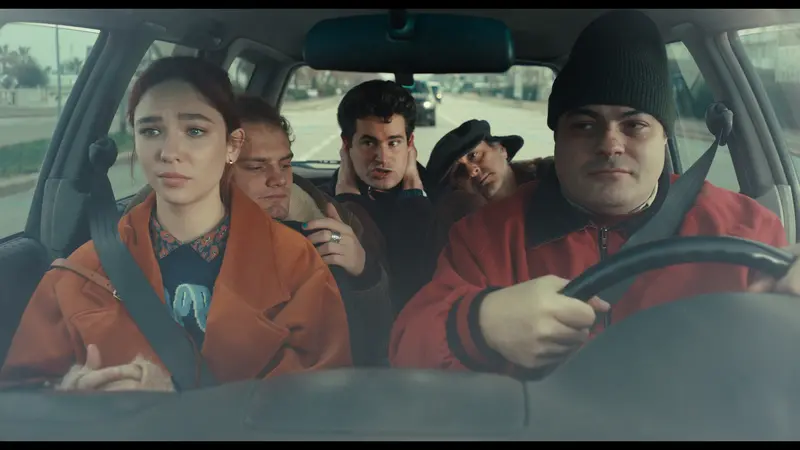
La vita da grandi, directorial debut from Greta Scarano, who wrote the screenplay with Tieta Madia and Sofia Assirelli, is inspired by the true story of siblings Margherita and Damiano Tercon from Rimini, known by many as “I Terconauti”, which takes an ironic and cultural approach to a story about the Aspergers syndrome that Damiano has always lived with. The film stars Matilda De Angelis and newcomer Yuri Tuci.
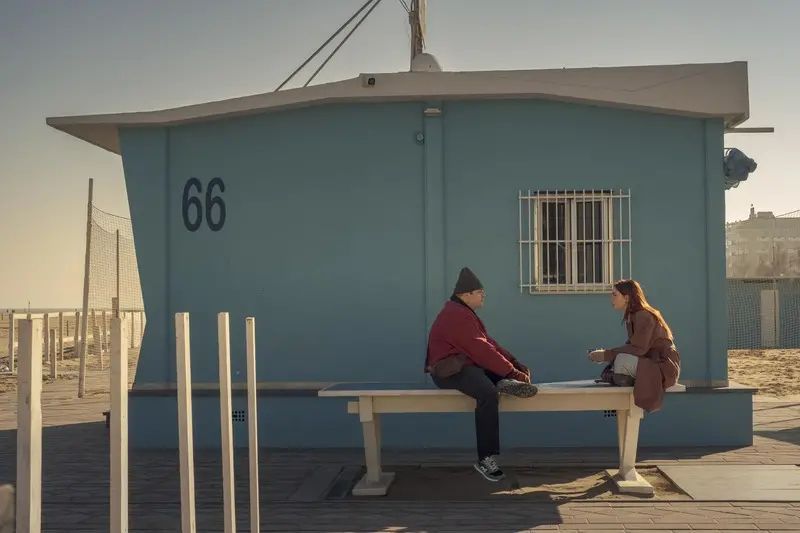
It was made with the support of the Regione Emilia-Romagna, through the Emilia-Romagna Film Commission, and the Municipality of Rimini. Rimini is the main location for the story. Other locations include Bologna and Rome, where Irene (Matilda De Angelis) is living when her mother asks her to return to the city where she was born and which she fled, to take care of her autistic older brother, Omar (Yuri Tuci) for a few days.
“The film addresses the issue of disability, but for me it was essential that it not dominate the entire story, just like for the protagonist, whose disability is only one of the many characteristics that define him as a person,” states the director’s notes. “We addressed issues such as caring for people with disabilities and the theme of ‘after us’ that torments families who live with this condition, trying to adopt a delicate, and often very frank approach; the same frankness that characterizes the siblings’ relationship, which makes the story authentic, free from any form of rhetoric”.
La vita da grandi, directorial debut from Greta Scarano, who wrote the screenplay with Tieta Madia and Sofia Assirelli, is inspired by the true story of siblings Margherita and Damiano Tercon from Rimini, known by many as “I Terconauti”, which takes an ironic and cultural approach to a story about the Aspergers syndrome that Damiano has always lived with. The film stars Matilda De Angelis and newcomer Yuri Tuci.
It was made with the support of the Regione Emilia-Romagna, through the Emilia-Romagna Film Commission, and the Municipality of Rimini. Rimini is the main location for the story. Other locations include Bologna and Rome, where Irene (Matilda De Angelis) is living when her mother asks her to return to the city where she was born and which she fled, to take care of her autistic older brother, Omar (Yuri Tuci) for a few days.
“The film addresses the issue of disability, but for me it was essential that it not dominate the entire story, just like for the protagonist, whose disability is only one of the many characteristics that define him as a person,” states the director’s notes. “We addressed issues such as caring for people with disabilities and the theme of ‘after us’ that torments families who live with this condition, trying to adopt a delicate, and often very frank approach; the same frankness that characterizes the siblings’ relationship, which makes the story authentic, free from any form of rhetoric”.
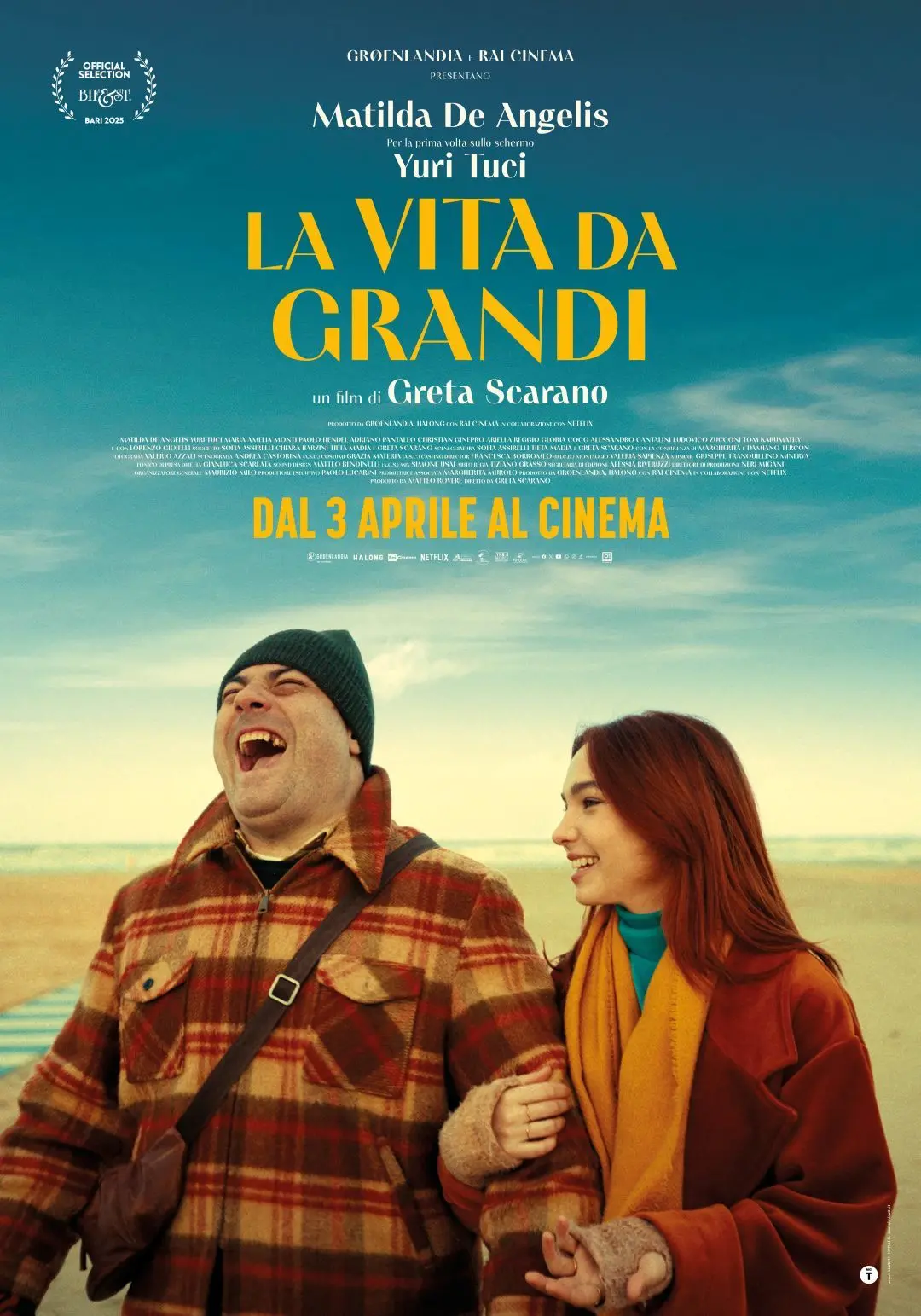
Groenlandia, Halong, Rai Cinema
Irene is living in Rome, when her mother asks her to go to Rimini, the city where she was born and which she fled, to take care of her autistic older brother, Omar, for a few days. There, Irene discovers that Omar has very clear ideas about his future: he has no intention of living with her when their parents are no longer around and is ready to do anything to make his life's dreams come true: he wants to get married, he wants to have three children (because 3 is the perfect number) and he wants to become a famous rap singer. But for all these things to happen, Omar must first learn how to become independent. Irene leads him on a sweet and touching intensive course to become an "adult". In their house full of memories, Irene and Omar face fears and hopes together, discovering that sometimes, it takes two to grow up.
Do you want to be deleted? Send an email to: info@italyformovies.it
Do you want to be deleted? Send an email to: info@italyformovies.it