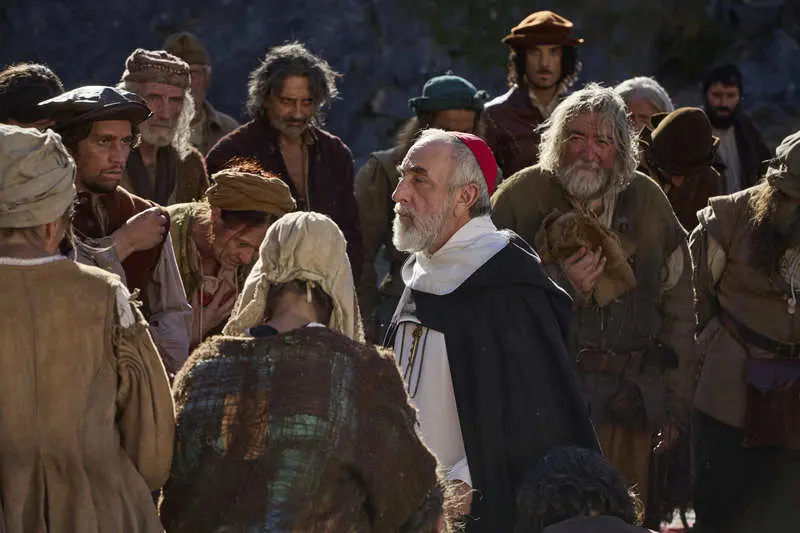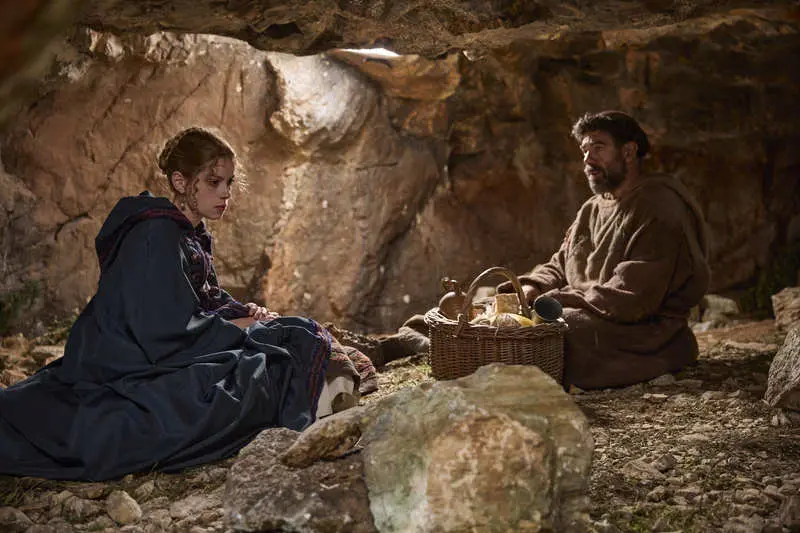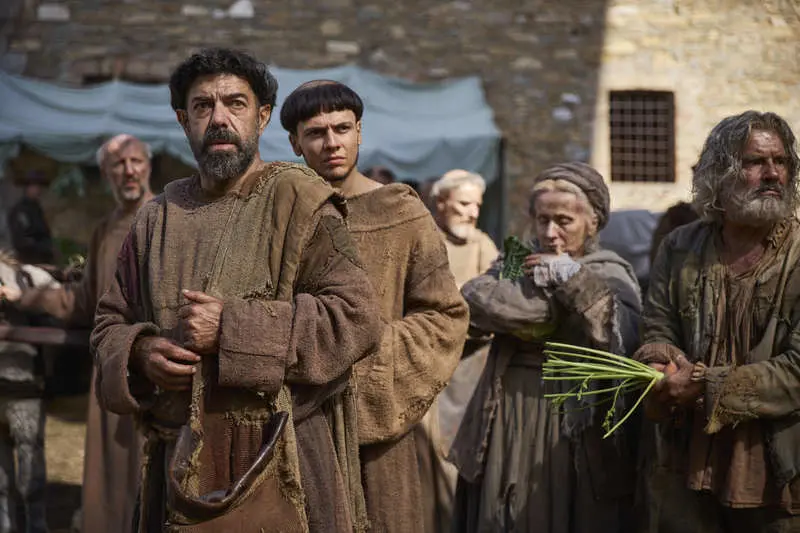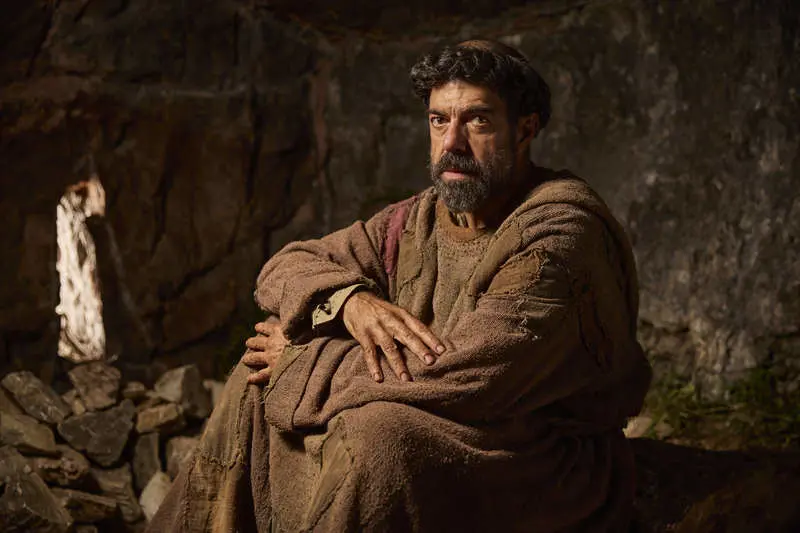
Dio ride, directed by Giovanni Veronesi and written by him with Nicola Baldoni, Gianluca Bernardini, Nicola Deorsola, and the collaboration of Paolo Portone and Jean Jacques Ilunga, is loosely based on true events and tells the story of a friar who preaches a Gospel accessible to the people. Through the story of a monk whose humanity changes the lives of those he meets, the film focusses on themes of freedom and the relationship between man and power.
Friar Leopold of Casamacchia (Pierfrancesco Favino) is a man who speaks of God like no one has done before: the Church preaches in Latin, but Friar Leopold recounts the Gospel with contagious joy, bringing relief and hope to those who listen. He speaks of a God close to humanity, a God who can laugh with people. The case ends in the hands of the Holy Inquisition, entrusted by Pope Innocent X (Carlo Cecchi) to Cardinal Maculani (Silvio Orlando), the most authoritative inquisitor of his time, the man who pushed Galileo Galilei to recant. What begins as a trial becomes an unexpected confrontation, destined to call into question seemingly unshakable beliefs. While Leopoldo's fate seems sealed, that of Maculani and those like him gripped by doubt take unexpected turns. While a voice can be silenced, the legacy that voice has left in others cannot be erased.
The film was shot in Rome and Tuscany, in locations with a 17th century atmosphere.
The opening scenes depict a plague-struck monastery engulfed in flames. Friar Leopoldo tries to save his prior (Paolo Rossi). His journey crosses several natural areas of Tuscany, including the so-called "valle del diavolo" south of Larderello, near Volterra; the Castello della Chiocciola, near Staggia, where he steals a chicken to fulfil the wish of his dying superior; the Baths of San Filippo, hot springs near Castiglione d'Orcia, where the friar washes the deceased prior; and the countryside between Colle di Val d'Elsa and Monte San Savino.
The monastery where Friar Leopoldo asks for asylum is the Badia Camaldolese, located in Montebradoni in Volterra, while Montingegnoli, a charming ghost town near Radicondoli (Siena), is where "those who have lost the light of reason" are imprisoned. The next stop is Pistoia, and the Palazzo Civico, where his trial takes place.
The scenes with Pope Innocent show St. Peter's Square before the building of its imposing colonnade; the pontiff's residence is reconstructed at the Palazzo dei Priori in Viterbo: in the Sala Regia, Maculani asks to move the Casamacchia trial to Rome. Piazza Pia, beneath Castel Sant'Angelo, is the setting for the epilogue.
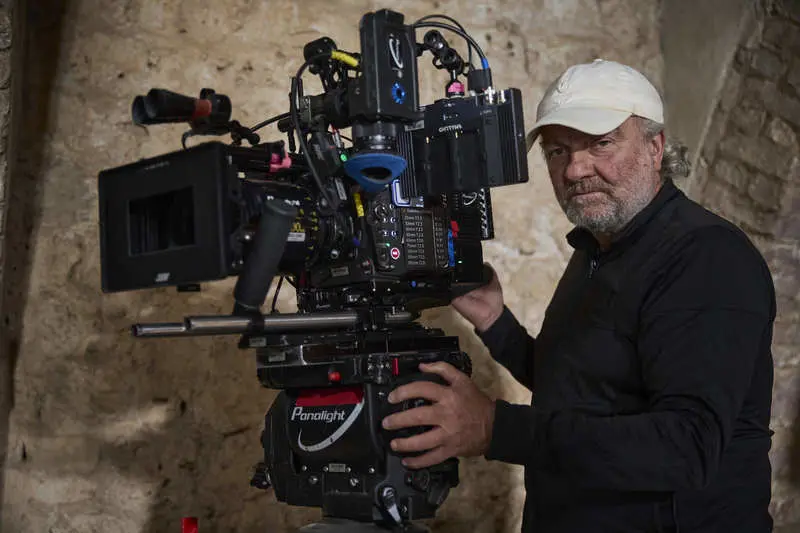
Credits include: cinematography by Maurizio Calvesi, set design by Carmine Guarino, costumes by Carlo Poggioli, makeup by Alessandra Vita, hair by Rodolfo Sifari, music by Paolo Buonvino, and casting by Nicola Deorsola.
Dio ride, directed by Giovanni Veronesi and written by him with Nicola Baldoni, Gianluca Bernardini, Nicola Deorsola, and the collaboration of Paolo Portone and Jean Jacques Ilunga, is loosely based on true events and tells the story of a friar who preaches a Gospel accessible to the people. Through the story of a monk whose humanity changes the lives of those he meets, the film focusses on themes of freedom and the relationship between man and power.
Friar Leopold of Casamacchia (Pierfrancesco Favino) is a man who speaks of God like no one has done before: the Church preaches in Latin, but Friar Leopold recounts the Gospel with contagious joy, bringing relief and hope to those who listen. He speaks of a God close to humanity, a God who can laugh with people. The case ends in the hands of the Holy Inquisition, entrusted by Pope Innocent X (Carlo Cecchi) to Cardinal Maculani (Silvio Orlando), the most authoritative inquisitor of his time, the man who pushed Galileo Galilei to recant. What begins as a trial becomes an unexpected confrontation, destined to call into question seemingly unshakable beliefs. While Leopoldo's fate seems sealed, that of Maculani and those like him gripped by doubt take unexpected turns. While a voice can be silenced, the legacy that voice has left in others cannot be erased.
The film was shot in Rome and Tuscany, in locations with a 17th century atmosphere.
The opening scenes depict a plague-struck monastery engulfed in flames. Friar Leopoldo tries to save his prior (Paolo Rossi). His journey crosses several natural areas of Tuscany, including the so-called "valle del diavolo" south of Larderello, near Volterra; the Castello della Chiocciola, near Staggia, where he steals a chicken to fulfil the wish of his dying superior; the Baths of San Filippo, hot springs near Castiglione d'Orcia, where the friar washes the deceased prior; and the countryside between Colle di Val d'Elsa and Monte San Savino.
The monastery where Friar Leopoldo asks for asylum is the Badia Camaldolese, located in Montebradoni in Volterra, while Montingegnoli, a charming ghost town near Radicondoli (Siena), is where "those who have lost the light of reason" are imprisoned. The next stop is Pistoia, and the Palazzo Civico, where his trial takes place.
The scenes with Pope Innocent show St. Peter's Square before the building of its imposing colonnade; the pontiff's residence is reconstructed at the Palazzo dei Priori in Viterbo: in the Sala Regia, Maculani asks to move the Casamacchia trial to Rome. Piazza Pia, beneath Castel Sant'Angelo, is the setting for the epilogue.
Credits include: cinematography by Maurizio Calvesi, set design by Carmine Guarino, costumes by Carlo Poggioli, makeup by Alessandra Vita, hair by Rodolfo Sifari, music by Paolo Buonvino, and casting by Nicola Deorsola.
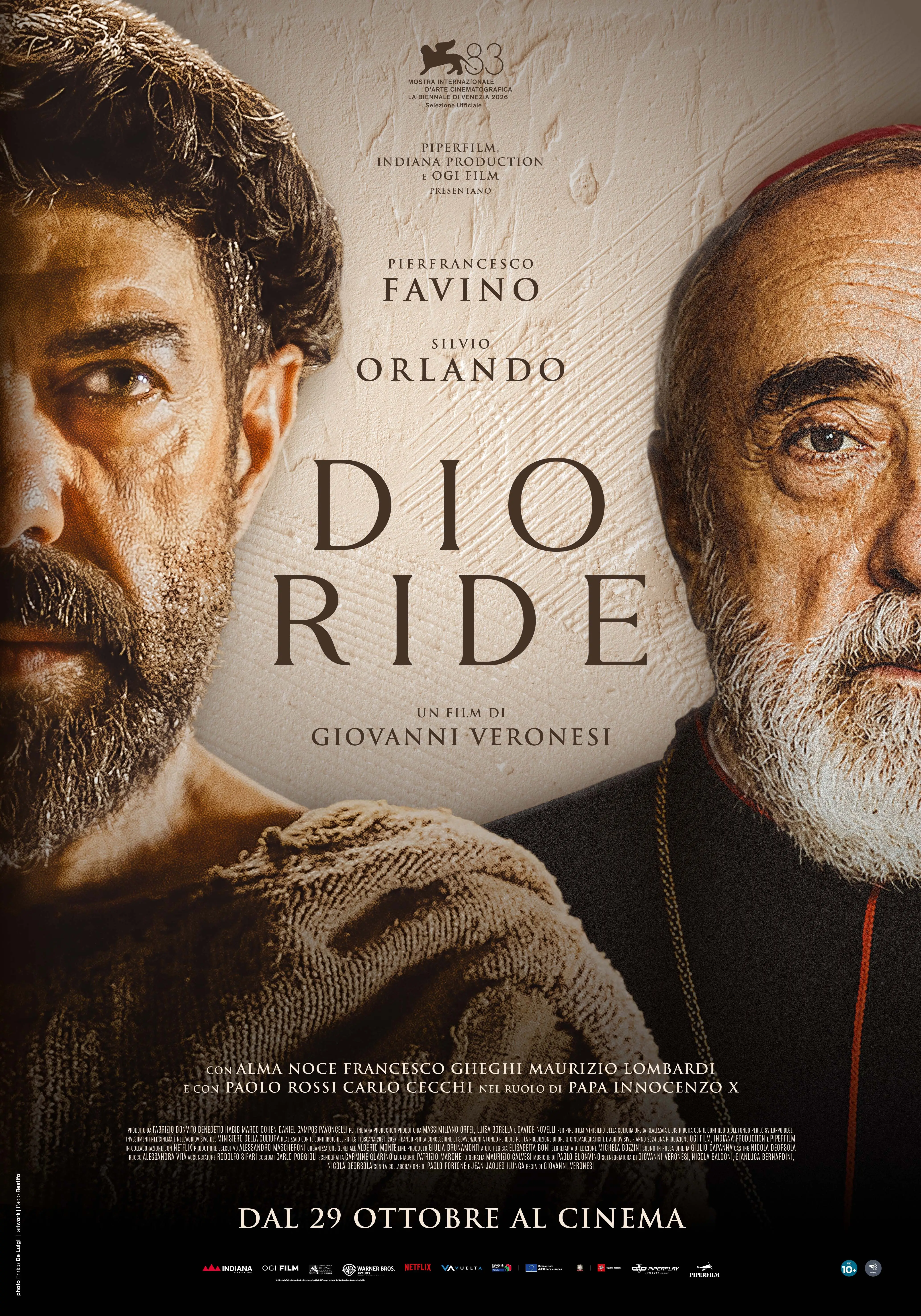
Indiana Production, Piperfilm, Ogi Film, Netflix
In mid 17th century Italy, a man talks about God like nobody has ever done before. While the Church preaches in Latin, Friar Leopold of Casamacchia expounds the Gospel with infectious joy, bringing relief and hope to those who listen, describing a God close to people, a God who could even laugh alongside them. As his message spreads from village to village, winning thousands of hearts, his followers grow, while churches empty. His voice is threatening to those who now govern by fear and the outcry reaches Rome where Pope Innocent X decides to entrust the case to Cardinal Maculani, the most authoritative inquisitor of the time. What begins as a trial becomes an unexpected confrontation, destined to call apparently unshakeable beliefs into question. While Leopold's fate seems a foregone conclusion, those of Maculani and others, like him gripped by doubt, take unexpected turns. Even if a voice can be silenced, what that voice has left in others cannot.